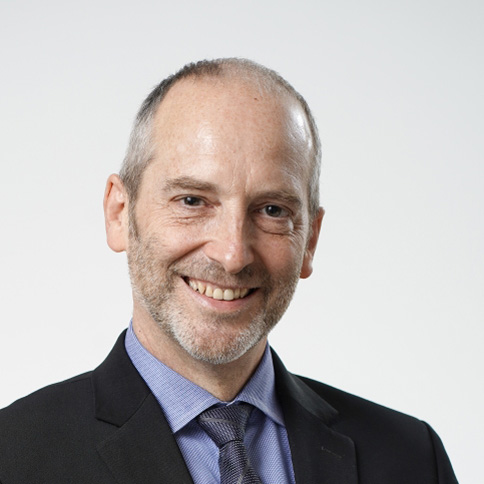
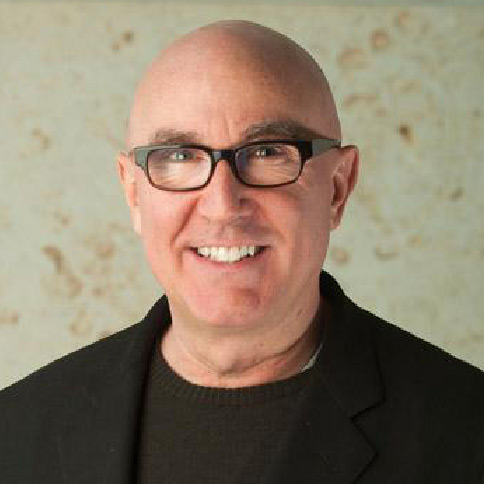
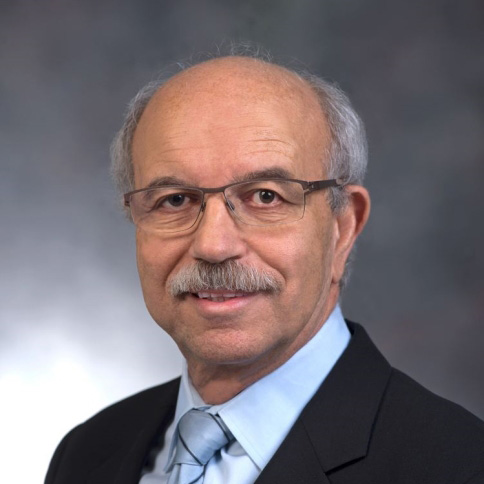
Leslie Leiserowitz

Wolf Prize Laureate in Chemistry 2021

Leslie Leiserowitz


Affiliation at the time of the award:

Weizmann Institute of Science, Israel


Award citation:

“for collaboratively established the fundamental reciprocal influences of three-dimensional molecular structure upon structures of organic crystals”.


Prize share:

Leslie Leiserowitz

Meir Lahav


Crystal formation is one of the most fundamental phenomenas in chemistry. The structure of organic crystals is of particular importance because the crystal shape (morphology) reflects the three-dimensional structure (stereochemistry) of the molecules assembled in that crystal. In 1848 Louis Pasteur conducted his famous experiment, physically separating the two crystalline forms of a tartaric acid salt, which mirror one another. Pasteur’s experiment became the basis for modern stereochemistry, and it was followed by the study of the first Nobel Laureate in Chemistry, Jacobus H. van’t Hoff. However, neither Pasteur, van’t Hoff, nor many other famous chemists failed to understand the relationship between crystal morphology and molecular stereochemistry.

It took nearly 140 years until Professors Lahav and Leiserowitz conducted their milestone experiments in the Mid-1980s, demonstrating for the first time that the absolute configuration of molecules can be derived from their crystal morphologies. They not only solved the long-standing puzzle but also pioneered the science of organic crystals’ stereochemistry. They directly related the stereochemistry of the individual molecule to the shape of the macroscopic crystal. They founded the links between molecular structure, crystal morphology, crystal growth’ dynamics, and molecular chirality (the structural property of an object, which makes it different from its mirror image, like the human hands). Their findings laid the foundation for our current knowledge of the selective self-assembly of organic molecules. In this way, their rules powerfully complement our understanding of organic chemistry for covalent assembly and macromolecules’ self-assembly.

Furthermore, Lahav and Leiserowitz applied their theories for the design and engineering of chiral crystals, controlling the relative growth-rate of crystal faces through both acceleration and inhibition with trace amounts of specific chiral additives. They have engineered two- and three-dimensional crystals and explained their crystal growth dynamics. They have demonstrated for the first time that it was possible to design crystals that could lead to products that were not available by conventional methods. They have also explained variety of pathological crystallization, including those of cholesterol in blood vessels, and malaria pigment in Plasmodium infected red blood cells.

Since all biological systems are composed of molecules of a single chirality, the fundamental scientific question of the origin of life on Earth is closely related to the origin of chirality in nature. Lahav and Leiserowitz have addressed possible pathways to this phenomenon by showing that specific chemical reactions can display chiral amplification in forming one component from a racemic mixture (a mixture of both chiral forms in equal proportions). They demonstrated how polymerization within two-dimensional racemic crystallites could generate homochiral oligopeptides. These observations, therefore, valuably link small-molecule organic assembly in crystals to consequent homochiral biopolymers. Thus, their elegant experiments have created theoretical bases for the emergence of life’s complex chemical machinery from simpler prebiotic mixtures.


Meir Lahav

Wolf Prize Laureate in Chemistry 2021

Meir Lahav


Affiliation at the time of the award:

Weizmann Institute of Science, Israel


Award citation:

“for collaboratively established the fundamental reciprocal influences of three-dimensional molecular structure upon structures of organic crystals”.


Prize share:

Meir Lahav

Leslie Leiserowitz


Crystal formation is one of the most fundamental phenomena in chemistry. The structure of organic crystals is of particular importance because the crystal shape (morphology) reflects the three-dimensional structure (stereochemistry) of the molecules assembled in that crystal. In 1848 Louis Pasteur conducted his famous experiment, physically separating the two crystalline forms of a tartaric acid salt, which mirror one another. Pasteur’s experiment became the basis for modern stereochemistry, and it was followed by the study of the first Nobel Laureate in Chemistry, Jacobus H. van’t Hoff. However, neither Pasteur, van’t Hoff, nor many other famous chemists failed to understand the relationship between crystal morphology and molecular stereochemistry.

It took nearly 140 years until Professors Lahav and Leiserowitz conducted their milestone experiments in the Mid-1980s, demonstrating for the first time that the absolute configuration of molecules can be derived from their crystal morphologies. They not only solved the long-standing puzzle but also pioneered the science of organic crystals’ stereochemistry. They directly related the stereochemistry of the individual molecule to the shape of the macroscopic crystal. They founded the links between molecular structure, crystal morphology, crystal growth’ dynamics, and molecular chirality (the structural property of an object, which makes it different from its mirror image, like the human hands). Their findings laid the foundation for our current knowledge of the selective self-assembly of organic molecules. In this way, their rules powerfully complement our understanding of organic chemistry for covalent assembly and macromolecules’ self-assembly.

Furthermore, Lahav and Leiserowitz applied their theories for the design and engineering of chiral crystals, controlling the relative growth-rate of crystal faces through both acceleration and inhibition with trace amounts of specific chiral additives. They have engineered two- and three-dimensional crystals and explained their crystal growth dynamics. They have demonstrated for the first time that it was possible to design crystals that could lead to products that were not available by conventional methods. They have also explained variety of pathological crystallization, including those of cholesterol in blood vessels, and malaria pigment in Plasmodium infected red blood cells.

Since all biological systems are composed of molecules of a single chirality, the fundamental scientific question of the origin of life on Earth is closely related to the origin of chirality in nature. Lahav and Leiserowitz have addressed possible pathways to this phenomenon by showing that specific chemical reactions can display chiral amplification in forming one component from a racemic mixture (a mixture of both chiral forms in equal proportions). They demonstrated how polymerization within two-dimensional racemic crystallites could generate homochiral oligopeptides. These observations, therefore, valuably link small-molecule organic assembly in crystals to consequent homochiral biopolymers. Thus, their elegant experiments have created theoretical bases for the emergence of life’s complex chemical machinery from simpler prebiotic mixtures.

Stephen L. Buchwald

Wolf Prize Laureate in Chemistry 2019

Stephen L. Buchwald


Affiliation at the time of the award:

Massachusetts Institute of Technology (MIT), USA 


Award citation:

“for developing efficient transition-metal catalysts which form carbon-heteroatom bonds, thus transforming the way drug molecules are manufactured, for the benefit of humankind”.


Prize Share:

Stephen L. Buchwald

John F. Hartwig 


Stephen L. Buchwald was born (1955) in Bloomington, Indiana. He received his Sc.B. degree from Brown University. and his doctorate from Harvard University. He was a Myron A. Bantrell post-doctoral fellow at Caltech with Professor Robert H. Grubbs where he studied titanocene methylenes as reagents in organic synthesis and the mechanism of Ziegler-Natta polymerization. In 1984, he began as an assistant professor of chemistry Massachusetts Institute of Technology (MIT) He was promoted to the associate professor (1989), to professor (1993), and was named the Camille Dreyfus Professor in 1997. In 2015, he became associate head of the Chemistry Department. During his time at MIT, he has received numerous honors, including the Harold Edgerton Faculty Achievement Award of MIT, an Arthur C. Cope Scholar Award, the 2000 Award in Organometallic Chemistry from the American Chemical Society, a MERIT award from the National Institutes of Health and many more.

The development of palladium-catalyzed carbon-carbon bond formation by Prof. Heck, Prof. Negishi and Prof. Suzuki, resulted in the 2010 Nobel Prize for this innovation. This achievement underscored the immense importance of making new chemical bonds, and at the same time it created an urgent need for going beyond carbon-carbon bonds. This is precisely the achievement of Prof. Buchwald and Prof. Hartwig who have independently harnessed cross coupling for the making of carbon-heteroatom bonds. These bonds and especially the carbon-nitrogen bonds are immensely important, because such bonds constitute a very basis of medicinal chemistry. Thus, the two laureates have pioneered the development of transition metal catalyzed procedures that are broadly applicable and allow carbon-heteroatom bonds of all sorts to be formed with previously unknown efficiency and precision.

In so doing, Profs. Buchwald and Hartwig have profoundly impacted the practice of organic synthesis in general and medicinal chemistry in particular. The transformative nature of their achievement has changed the way whereby ever-more-efficient drugs are discovered and eventually manufactured, for the extensive benefit of society today and in the future. This breakthrough is the fruit of truly basic research and fundamental mechanistic investigations into ligand design and the elementary steps that transition metal complexes are able to entertain. These methodologies proved to be truly potent and represent, as such, a lasting legacy for the art and science of catalysis, and the prime justification for awarding Buchwald and Hartwig with the Wolf Prize for 2019.

John F. Hartwig

Wolf Prize Laureate in Chemistry 2019

John F. Hartwig


Affiliation at the time of the award:

University of California, Berkeley, USA


Award citation:

“for independently developing efficient transition-metal catalysts which form carbon-heteroatom bonds, thus transforming the way drug molecules are manufactured, for the benefit of humankind”.


Prize Share:

John F. Hartwig 

Stephen L. Buchwald


Hartwig is a brilliant scientist who has made contributions to organometallic chemistry that have greatly advanced the field. He has also invented new synthetic methods that are proving to be exceedingly useful for total synthesis of complex molecular targets and new molecules of importance to medicinal chemistry and organic electronic materials.

John Hartwig received his undergraduate degree from Princeton University, obtained his Ph.D. from U.C. Berkeley with Bob Bergman and Richard Andersen, and conducted a postdoctoral fellowship at MIT with Stephen Lippard. In 1992, he began his independent career at Yale University and became the Irenée P. DuPont Professor in 2004. In 2006, he moved to the University of Illinois where he was the Kenneth L. Rinehart Jr. Professor of Chemistry. In 2011, he returned to U.C. Berkley as the Henry Rapoport Professor. He has received numerous awards, including an A.C. Cope Scholar Award, the ACS award in Organometallic Chemistry, the American Chemical Socity H.C. Brown Award for Synthetic Methods, the Nagoya Gold Medal, and the Willard Gibbs Medal. He was elected to the National Academy of Sciences in 2012, the American Academy of Arts and Sciences in 2015, 2018 Centenary Prize from Royal Society of Chemistry and 2018 Tetrahedron Prize for Creativity in Organic Chemistry

The development of palladium-catalyzed carbon-carbon bond formation by Prof. Heck, Prof. Negishi and Prof. Suzuki, resulted in the 2010 Nobel Prize for this innovation. This achievement underscored the immense importance of making new chemical bonds, and at the same time it created an urgent need for going beyond carbon-carbon bonds. This is precisely the achievement of Prof. Buchwald and Prof. Hartwig who have independently harnessed cross coupling for the making of carbon-heteroatom bonds. These bonds and especially the carbon-nitrogen bonds are immensely important, because such bonds constitute a very basis of medicinal chemistry. Thus, the two laureates have pioneered the development of transition metal catalyzed procedures that are broadly applicable and allow carbon-heteroatom bonds of all sorts to be formed with previously unknown efficiency and precision.

In so doing, Profs. Buchwald and Hartwig have profoundly impacted the practice of organic synthesis in general and medicinal chemistry in particular. The transformative nature of their achievement has changed the way whereby ever-more-efficient drugs are discovered and eventually manufactured, for the extensive benefit of society today and in the future. This breakthrough is the fruit of truly basic research and fundamental mechanistic investigations into ligand design and the elementary steps that transition metal complexes are able to entertain. These methodologies proved to be truly potent and represent, as such, a lasting legacy for the art and science of catalysis, and the prime justification for awarding Buchwald and Hartwig with the Wolf Prize for 2019.

Omar M. Yaghi

Wolf Prize Laureate in Chemistry 2018

Omar M. Yaghi


Affiliation at the time of the award:

University of California, Berkeley, USA


Award citation:

“for his contribution in the field of reticular chemistry”.


Prize share:

Omar M. Yaghi

Makoto Fujita


Traditional chemistry has focused on intermolecular connections, particularly on strong covalent bonds formed when two atoms share one or more electrons. In contrast, supramolecular chemistry deals with the study of the connections and the interactions between molecules – a study that promotes the development of novel materials with unique properties that are sometimes very useful

Omar M. Yaghi of the University of California at Berkeley, born in Amman in Jordan (1965), is a member of a refugee family with many children. At the age of 15 he was sent to the United States and soon became prominent for his outstanding talent for science. In 1985, Yaghi began his doctoral studies in chemistry at the University of Illinois at Urbana-Champaign. After completing his studies, he completed a post-doctorate at Harvard. In 1992, he gained his first independent academic post at the Arizona State University. This is where he actually conceived, developed, and finally began to apply his grand, chemical program to bond molecules together – through strong bonds – to large “frameworks”. His achievements in this field have earned him many awards, such as the Sacconi Medal of the Italian Chemical Society, the Izatt-Christensen International Award, the Materials Research Society Medal, the King Faisal International Prize in Science (also known as the Arab Nobel Prize), the Mustafa Prize in Nano-Science and Nanotechnology and the Albert Einstein World Award of Science conferred by the World Cultural Council

Yaghi is actually the main developer of a new branch in supramolecular chemistry called “Reticular Chemistry” (In Latin “reticulum” means “small grid”). Reticular Chemistry makes it possible to combine molecules into networks that create highly porous structures with a very large surface area, enabling the efficient storage and handling of various materials “trapped” in pores (for example, various gaseous fuels), and efficient capture and storage of elements and compounds such as carbon and water. The porous feature is very important for practical purposes, as it enables the capture and compact storage of large quantities of gases in small volumes

Through the use of Reticular Chemistry, Yaghi developed two entirely new types of compounds, called metal-organic frameworks (MOFs) and covalent organic frameworks (COFs). While the supramolecular chemistry was initially limited to relatively weak bonds, such as hydrogen bonds and Van der Waals interactions, the great advantage of Reticular Chemistry is its success in creating supramolecular structures, frameworks with very strong, covalent bonds between molecules, that give them unprecedented chemical and structural strength. Thanks to Reticular Chemistry, each of these frameworks can be viewed as a molecule. Just as the molecule determines the specific geometry and spatial array of each of the atoms, so too does the framework determine each of the molecules in a well-defined geometry and well defined spatial array. Actually, in view of the fact that these frames encompass relatively large volumes, their chemistry is much richer than that of the molecules of which they are comprised, enabling them to impart unique properties. There are many possible applications for this. For example, producing materials that capture carbon dioxide very efficiently may reduce the rate of gas entering the atmosphere, thereby reducing the trend of global warming.

Makoto Fujita

Wolf Prize Laureate in Chemistry 2018

Makoto Fujita


Affiliation at the time of the award:

University of Tokyo, Japan


Award citation:

“for his achievements in the field of supramolecular chemistry”.


Prize share:

Makoto Fujita

Omar M. Yaghi


Traditional chemistry has focused on intermolecular connections, particularly on strong covalent bonds formed when two atoms share one or more electrons. In contrast, supramolecular chemistry deals with the study of connections and interactions between molecules – a study that promotes the development of novel materials with unique properties that are sometimes very useful.

Makoto Fujita, born in 1957, developed his academic career quickly and at the age of 42 was appointed full professor at Nagoya University. Three years later (2002) he was appointed to the same position at Tokyo University, the most prestigious university in Japan. He was soon recognized as one of the pioneers in the field of supramolecular chemistry and was awarded many prizes: the Arthur C. Cope Scholar Award from the American Society of Chemistry, the Izatt-Christensen International Award for Macrocyclic Chemistry, the International Society for Nanoscale Science, Computation, and Engineering (ISNSCE) Award, The Fred Basolo Medal for Outstanding Research in Inorganic Chemistry from North Western University and the Nagoya silver medal. Fujita’s impressive academic yield, since the beginning of his academic career till today (i.e., between 1980 and 2017), includes approximately 330 publications.

Makoto Fujita’s main contribution to Supramolecular Chemistry has been the development of a new method for the formation of supramolecular structures called “metal-guided synthesis” or “self-assembly with metallic guidance”. This novel method enables quick and spontaneous assembly (under specific thermodynamic conditions) of supramolecular materials, and is much easier and more effective than the cumbersome, tedious, and highly inefficient methods previously used to synthesize such materials. As early as 1990, Fujita published an article describing this method of synthesizing materials on a nanometric scale containing both metal ions and various organic molecules (i.e., molecules containing carbon and hydrogen atoms connected to each other). Fujita and his colleagues used this method to synthesize a molecular square at each of the four vertices in which the metal atom Palladium, Pd (H is hydrogen, N nitrogen and O oxygen.

In the years that followed, this method was used to build increasingly complex molecules, nanostructures and materials. Fujita’s group, for example, synthesized three-dimensional porous molecules, called “cages”, that can be used as molecular “containers” that store smaller molecules. This structure may give the trapped materials new chemical properties: for instance, it may increase the solubility of drugs and therefore their effectiveness.

Several years ago, Fujita and his colleagues managed to synthesize a cage large enough to store protein molecules in its pores. This is of great practical importance, since many new drugs are protein-based. In 2016, they succeeded in assembling relatively large cage, 8 nanometres wide, (a nanometre is one billionth of a meter), and later that year they theoretically proved that, with the self-assembly method they had developed, it is possible to assemble 144 such cages into one stable, giant cage. Another acceptable use of materials, synthesized by the self-assembly method, is catalysts that accelerate chemical reactions that, in their absence, occur very slowly.

A particularly important and interesting application of these large cages, developed by Fujita himself, is the possibility of using them for x-ray crystallography (for studying the crystalline structure of matter) without even having to produce a crystal of the material being tested. Instead of this, the material can be “imprisoned”, in a synthesized cage that positions and stabilizes it in such a way that it can be directly examined using standard crystallography.

Robert G. Bergman

Wolf Prize Laureate in Chemistry 2017

Robert Bergman


Affiliation at the time of the award:

University of California, Berkeley, USA


Award citation:

“for the discovery of the activation of C-H bonds of hydrocarbons by soluble transition metal complexes”.


Prize share:

None


Hydrocarbons (alkanes), the major constituents of petroleum, are the most abundant row material of the chemical industry for producing a variety of important products such as plastics. The utilization of alkanes is greatly facilitated by the activation of their highly inert C-H bonds. Finding the means for such activation has been a high priority goal for generations of chemists. In the early 1980s Bergman discovered the first transition metal compound (an iridium complex) to catalyze the activation of C-H bonds leading to an oxidative addition reaction. Bergman’s discovery of C-H oxidative additions has stimulated an entirely new sub-field of research, both in academia and industry, and continues to be a “hot” research topic.

Bergman’s early work in this area focused on fundamentals of C-H bond activation. It established that intermolecular C-H bond oxidative addition is very general including for the least reactive hydrocarbon methane. He also established that C-H activation occurs with a variety of low-valent metals such as rhenium, is strongly favored over intramolecular insertion, is a thermally reversible reaction, can be achieved with asymmetric induction, and that the C-H activating intermediates can be generated both thermally and photochemically. More recently he discovered methods to apply catalytic C-H bond activation reactions to the synthesis of a wide variety of useful heterocycles. Bergman’s brilliant studies are now textbook examples of outstanding mechanistic research.

In addition to C-H bond activation, Bergman has been responsible for an impressive number of enduring, path-breaking contributions to physical organic, organometallic and inorganic chemistry, and homogeneous catalysis. His impact on these fields has been monumental and his discoveries have been the basis for advances ranging from petroleum chemistry (C-H activation) to medicinal chemistry (ene-diyne cycloaromatization).

Stuart L. Schreiber

Wolf Prize Laureate in Chemistry 2016

Stuart L. Schreiber


Affiliation at the time of the award:

Harvard University, Cambridge, MA, USA


Award Citation:

“For pioneering chemical insights into the logic of signal transduction and gene regulation that led to important, new therapeutics, and for advancing chemical biology and medicine through the discovery of small-molecule probes”.


Prize Share:

Stuart L. Schreiber

K. C. Nicolaou


Prof. Stuart L. Schreiber contributions to chemistry, broadly defined, are of a once-in-a-generation magnitude. As one of the earliest chemical biologists, Professor Schreiber’s research led to multiple major discoveries that continue to define and drive the field forward. He discovered the FKBPs, proteins that bind FK506, a highly complex small molecule synthesized in Professor Schreiber’s laboratory. The resulting insights identified the signaling pathway that links calcium, calcineurin, and NFAT. Both the biology underlying this pathway, as well as the chemical approach used to illuminate it, have served as a foundation for many other investigations in hundreds of laboratories and has led to the use of FK506 and rapamycin as immunosuppressive and antiproliferative drugs. Professor Schreiber’s subsequent work in elucidating biological pathways using small molecules has led to major discoveries in understanding the biology of nutrient sensing and immunosuppression, including the discovery of the protein kinase mTOR, which regulates cell proliferation, cell survival, transcription, and translation, as well as the discovery that small-molecule drugs can target protein kinases such as mTOR. The discoveries themselves have revealed fundamental cellular signaling and gene regulatory pathways and dramatically advanced the understanding of the role these pathways play in human diseases. It should be emphasized that these findings have been perceived at the time as extremely challenging. Professor Schreiber’s research also yielded the discovery of the first selective proteasome inhibitor lactacystin and the discovery of the long sought after histone deacetylases (HDAC1) using a synthetic variant of the small-molecule trapoxin. His work highlighted the similarities of intracellular and chromatin “signaling”. The discoveries that HDACs and HATs (the latter by David Allis also in 1996) are transcriptional regulators changed the perception of chromatin from a simple structural element to a key geneexpression regulatory element and facilitated the development of vorinostat and romidepsin, drugs that target previously considered ‘undruggable’ gene expression via HDACs. Professor Schreiber’s scientific advances have proven foundational for therapeutic development, including the proteasome inhibitor bortezomib, kinesin-5 inhibitors, and HDAC6 inhibitors, which are all currently in clinical trials. Schreiber developed the ‘bump/hole’ strategy for creating allele-specific small molecules. He conceived and developed diversity-oriented synthesis (DOS), which in the past three years has been the basis for the discovery of the field’s most remarkable new probes, including in vivo probes, with dozens of examples of novel activities in compounds that would otherwise have escaped discovery. Professor Stuart Schreiber’s seminal scientific accomplishments, visionary linkage of synthetic chemistry and biology, and role in advancing the field of chemical biology have transformed chemistry, biology, physiology and medicine and are the basis of this nomination.


K. C. Nicolaou

Wolf Prize Laureate in Chemistry 2016

Kyriacos C. Nicolaou


Affiliation at the time of the award:

Rice University, Houston, TX, USA


Award Citation:

“For advancing the field of chemical synthesis to the extremes of molecular complexity, linking structure and function and expanding our dominion over the interface of chemistry, biology and medicine”.


Prize Share:

K. C. Nicolaou

Stuart L. Schreiber


Prof. Kyriacos C. Nicolaou propelled natural product synthesis into the modern era with a level of ambition that has been and continues to be breathtaking. He is undoubtedly the world leader of the present generation in the field of total synthesis and biological activity. He has shown, like nobody else, how to strategically disconnect complex molecules into fragments leading to realizable chemical pathways. This strategy represents a conceptual leap that has been emulated by many others and has broken a “glass ceiling” in the art of synthesis. Professor Kyriacos Nicolaou is the only chemist that has repeatedly been able to finish molecules, any one of which would be the highlight of someone else’s career. No one can match his record of elegant total synthesis of extremely complex molecules. He has made manifold contributions to the development of new methodologies, many now widely used by others, to surmount challenges encountered en route to the target. His syntheses are executed with a beauty and flair that has become legendary and inspired a new generation of chemists to follow his footsteps. A detailed review of his research over the last three decades confirms the enormity and depth of his work that covers virtually all types of natural products with regards to molecular architecture and biological activity. It is enough to mention a small percentage of his huge work to understand his unparalleled achievements. Thus, we can recall the synthesis of endiandric acids (plant metabolites), efrotomycin (antibiotic), amphotericin B (antifungal drug) calicheamicin g1I (anticancer drug), rapamycin (anticancer and immunosuppressive drug), Taxol® (top-selling anticancer drug), sanglifehrin A (immunosuppressant), apoptolidin (antitumor agent), hybocarpone (cytotoxic agent,), coleophomones, uncialamycin (antitumor antibiotics), biyouyanagin A (anti-HIV agent,), hirsutellone B (antituberculosis agent,), and many more very complex molecules aimed at bettering the human life.

Professor Nicolaou’s research program is not only about the incredible array of target oriented syntheses, but also about a staggering range of associated contributions. Their impact on modern medicinal chemistry, is at the extreme of significance. Perhaps more importantly, molecules like maitotoxin on their own represent a frontier for science itself. These molecules are found in the natural world. Why? How were they formed? What do they do? Undaunted by the warnings of skeptics, prof. Professor Nicolaou, through a lifetime of contributions, has put answers to these questions not only in the mind’s eye, but within reach.Professor Kyriacos Nicolaou’s impact on science and society does not exclusively emanate from his publications, but rather, it also flows from the education and training of hundreds of students and postdoctoral fellows. Most significantly, his contributions to education and training extend much beyond his own group. His many didactic reviews and textbooks demonstrate the vigor of the field, help to educate and inspire students all around the world.


Chi-huey Wong

Wolf Prize Laureate in Chemistry 2014

Chi-huey Wong


Affiliation at the time of the award:

From Academia Sinica, Taiwan


Award citation:

“for numerous original contributions to the programmable and practical synthesis of complex carbohydrates and glycoproteins”.


Prize share:

None


Dr. Wong has pioneered the development of programmable chemical and enzymatic synthesis methods that enable the previously impossible or infeasible synthesis and study of classes of compounds, especially complex carbohydrates, glycoproteins and related substances, which are vitally important in biology and medicine. His enzymatic strategy coupled with cofactor regeneration elegantly fuses chemistry and biology into a novel, environmentally friendly approach to large-scale and rapid synthesis of complex carbohydrates and glycoproteins. This enzymatic method remains the most practical and efficient method available to date for large-scale synthesis of oligosaccharides. The programmable one-pot synthesis of oligosaccharides originated by his group is the first automated approach to this class of complex molecules. The original methods developed by his group have been used to solve major problems and create new opportunities in carbohydrate chemistry and biology associated with cancer progression, bacterial and viral infection and immunological function, and the work has led to the development of vaccines, therapeutics and glycan microarrays for analysis of protein-carbohydrate interaction. In addition, his fundamental study of glycoprotein folding affected by glycosylation and glycan conformation has laid the framework for much of the current interests in post-translational glycosylation, glycoprotein structural biology and drug discovery.