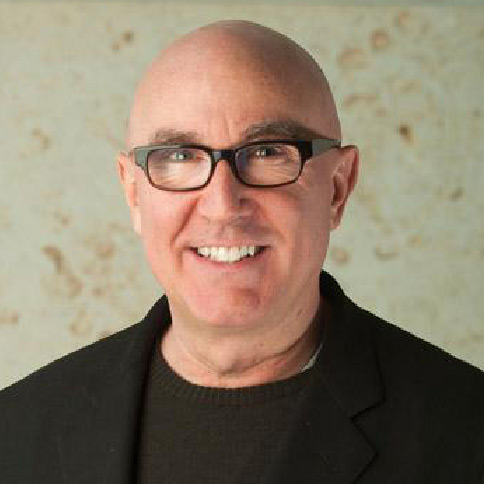
Didier Queloz

Wolf Prize Laureate in Physics 2017

Didier Queloz


Affiliation at the time of the award:

University of Geneva, Switzerland

University of Cambridge, UK


Award citation:

“For the first discovery of an exoplanet orbiting a solar-type star”.


Prize share:

Didier Queloz

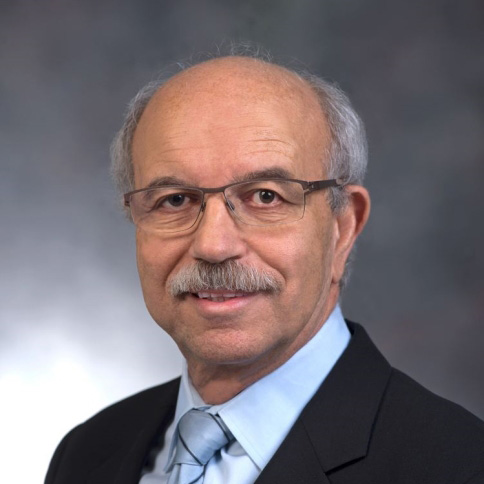
Michel Mayor


In 1995, Mayor and Queloz were the first to discover a planet outside the solar system orbiting a solar-type star. The discovery of this planet, 51 Pegasi b, was the result of a continuous improvement of cross-correlation spectrographs by Mayor (completed in collaboration with Queloz) over a period of 20 years in order to obtain more accurate radial velocities. The discovery of 51 Pegasi b led to a revolution in the theory of planetary systems, since it is a Jovian planet having a very short orbital period of only 4.2 days, orders of magnitude smaller than the 12-year period of Jupiter in the solar system. This short period is attributed to orbital migration of planets during their formation in an accretion disk.

This discovery opened the floodgates for subsequent observations revealing an incredible diversity of exoplanets, some with large and quite eccentric elliptical orbits, unlike the nearly circular orbits in our own solar system. The team led by Mayor and Queloz has contributed to the discovery of more than 250 additional exoplanets, including several multi-planetary systems having up to 7 planets. Thanks to the most recent spectrograph (HARPS) developed by their team and installed at La Silla Observatory, they were able to reveal the very rich subpopulation of super-Earth planets on tight orbits and to conduct statistical research on exoplanets. Mayor participated in the first detection of an exoplanet transiting its host star, opening the way to the study of the composition of exoplanets. Soon after, Queloz, Mayor and their collaborators were able to measure the first Rossiter-McLaughlin effect for a transiting planet, which allowed the measurement of the projected angle between the stellar spin axis and the planets orbital axis. Subsequent observations show a large variety of angles, which cannot be explained solely by planetary migration.
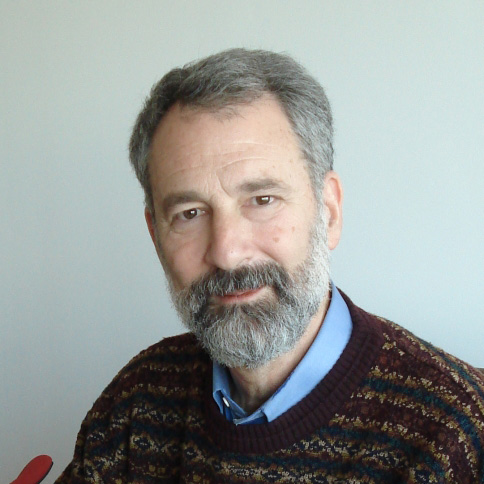
Charles Fefferman

Wolf Prize Laureate in Mathematics 2017

Charles Fefferman


Affiliation at the time of the award:

Princeton University, USA


Award citation:

“for their striking contributions to analysis and geometry”.


Prize share:

Charles Fefferman 

Richard Schoen


Charles Fefferman (born in 1949) evidenced an affinity for mathematics at an early age. As a 9-year-old in suburban Maryland, his interest in science fiction and rocketry led to a study of physics, and with it the desire to master the mathematics necessary to understand the physics textbooks he read. At age 12, he was being tutored by professors at the University of Maryland, where he matriculated at 14. He graduated in 1966 at the age of 17 with bachelor’s degrees in both mathematics and physics, earned with the highest distinction, having already published a paper on symbolic logic.

Fefferman earned his doctorate in mathematics in 1969 at Princeton University, supervised by Elias M. Stein, for a thesis entitled Inequalities for Strongly Regular Convolution Operators. After serving as a lecturer at Princeton for the 1969-1970 academic year, he took a position at the University of Chicago; one year later, in 1971, he was promoted to full professor there, making him the youngest full professor in the United States. In 1973 Fefferman returned to Princeton as a full professor, and was appointed the Herbert E. Jones ’43 Professor. He served as Chair of the Mathematics Department from 1999 to 2002.

Fefferman has been a dominant figure in analysis in the last 40 years, having made dramatic advances in a number of major new directions. It is no exaggeration to say that he is the most influential analyst of his generation. His major achievements include:

  1. He revolutionized our understanding of fundamental parts or real analysis by proving the duality of BMO with Hardy space H¹, whose results nowadays have innumerable applications.
  2. Fefferman made the first major breakthroughs in the areas related to Bochner-Riesz summability and restriction theorems, in finding a counter-example for the disc multiplier, and proving the first important positive results in this area.
  3. Fefferman’s study of the Bergman kernel and mapping properties of strongly pseudo-convex domains is a landmark in the field of several complex variables and has also opened the way for important geometric consequences.
  4. Fefferman obtained among the best results in the theory of pseudo-differential operators in the last 40 years:
    • Resolving with Beals a fundamental open problem of local stability.
    • Obtaining with Phong the optimal results for positive operators and sharp Garding inequalities.
    • Achieving the decisive results for second-order non-negative sub-elliptic operators.
  5. In the last ten years he has obtained dramatic breakthroughs and important generalizations in the area of the Whitney extension problem. This fundamental work is contained in a series of works beginning with five papers in the Annals of Mathematics from 2005 to 2009, and including more recently collaborations with B. Klartag, A. Israel, and K. Luli. It deals with the general problem of given a set E in Rn and a function f0 on E, when (and how) does it extend to a function f on Rn that belongs to a given Banach space X of “smooth” functions (e.g. when X = Ck).

Charles Fefferman is awarded the Wolf Prize for making major contributions to several fields, including several complex variables, partial differential equations and subelliptic problems. He introduced new fundamental techniques into harmonic analysis and explored their application to a wide range of fields including fluid dynamics, spectral geometry and mathematical physics. This had a major impact on regularity questions for classical equations such as the Navier-Stokes equation and the Euler equation. He solved major problems related to the fine structure of solutions to partial differential equations.

Stuart L. Schreiber

Wolf Prize Laureate in Chemistry 2016

Stuart L. Schreiber


Affiliation at the time of the award:

Harvard University, Cambridge, MA, USA


Award Citation:

“For pioneering chemical insights into the logic of signal transduction and gene regulation that led to important, new therapeutics, and for advancing chemical biology and medicine through the discovery of small-molecule probes”.


Prize Share:

Stuart L. Schreiber

K. C. Nicolaou


Prof. Stuart L. Schreiber contributions to chemistry, broadly defined, are of a once-in-a-generation magnitude. As one of the earliest chemical biologists, Professor Schreiber’s research led to multiple major discoveries that continue to define and drive the field forward. He discovered the FKBPs, proteins that bind FK506, a highly complex small molecule synthesized in Professor Schreiber’s laboratory. The resulting insights identified the signaling pathway that links calcium, calcineurin, and NFAT. Both the biology underlying this pathway, as well as the chemical approach used to illuminate it, have served as a foundation for many other investigations in hundreds of laboratories and has led to the use of FK506 and rapamycin as immunosuppressive and antiproliferative drugs. Professor Schreiber’s subsequent work in elucidating biological pathways using small molecules has led to major discoveries in understanding the biology of nutrient sensing and immunosuppression, including the discovery of the protein kinase mTOR, which regulates cell proliferation, cell survival, transcription, and translation, as well as the discovery that small-molecule drugs can target protein kinases such as mTOR. The discoveries themselves have revealed fundamental cellular signaling and gene regulatory pathways and dramatically advanced the understanding of the role these pathways play in human diseases. It should be emphasized that these findings have been perceived at the time as extremely challenging. Professor Schreiber’s research also yielded the discovery of the first selective proteasome inhibitor lactacystin and the discovery of the long sought after histone deacetylases (HDAC1) using a synthetic variant of the small-molecule trapoxin. His work highlighted the similarities of intracellular and chromatin “signaling”. The discoveries that HDACs and HATs (the latter by David Allis also in 1996) are transcriptional regulators changed the perception of chromatin from a simple structural element to a key geneexpression regulatory element and facilitated the development of vorinostat and romidepsin, drugs that target previously considered ‘undruggable’ gene expression via HDACs. Professor Schreiber’s scientific advances have proven foundational for therapeutic development, including the proteasome inhibitor bortezomib, kinesin-5 inhibitors, and HDAC6 inhibitors, which are all currently in clinical trials. Schreiber developed the ‘bump/hole’ strategy for creating allele-specific small molecules. He conceived and developed diversity-oriented synthesis (DOS), which in the past three years has been the basis for the discovery of the field’s most remarkable new probes, including in vivo probes, with dozens of examples of novel activities in compounds that would otherwise have escaped discovery. Professor Stuart Schreiber’s seminal scientific accomplishments, visionary linkage of synthetic chemistry and biology, and role in advancing the field of chemical biology have transformed chemistry, biology, physiology and medicine and are the basis of this nomination.


K. C. Nicolaou

Wolf Prize Laureate in Chemistry 2016

Kyriacos C. Nicolaou


Affiliation at the time of the award:

Rice University, Houston, TX, USA


Award Citation:

“For advancing the field of chemical synthesis to the extremes of molecular complexity, linking structure and function and expanding our dominion over the interface of chemistry, biology and medicine”.


Prize Share:

K. C. Nicolaou

Stuart L. Schreiber


Prof. Kyriacos C. Nicolaou propelled natural product synthesis into the modern era with a level of ambition that has been and continues to be breathtaking. He is undoubtedly the world leader of the present generation in the field of total synthesis and biological activity. He has shown, like nobody else, how to strategically disconnect complex molecules into fragments leading to realizable chemical pathways. This strategy represents a conceptual leap that has been emulated by many others and has broken a “glass ceiling” in the art of synthesis. Professor Kyriacos Nicolaou is the only chemist that has repeatedly been able to finish molecules, any one of which would be the highlight of someone else’s career. No one can match his record of elegant total synthesis of extremely complex molecules. He has made manifold contributions to the development of new methodologies, many now widely used by others, to surmount challenges encountered en route to the target. His syntheses are executed with a beauty and flair that has become legendary and inspired a new generation of chemists to follow his footsteps. A detailed review of his research over the last three decades confirms the enormity and depth of his work that covers virtually all types of natural products with regards to molecular architecture and biological activity. It is enough to mention a small percentage of his huge work to understand his unparalleled achievements. Thus, we can recall the synthesis of endiandric acids (plant metabolites), efrotomycin (antibiotic), amphotericin B (antifungal drug) calicheamicin g1I (anticancer drug), rapamycin (anticancer and immunosuppressive drug), Taxol® (top-selling anticancer drug), sanglifehrin A (immunosuppressant), apoptolidin (antitumor agent), hybocarpone (cytotoxic agent,), coleophomones, uncialamycin (antitumor antibiotics), biyouyanagin A (anti-HIV agent,), hirsutellone B (antituberculosis agent,), and many more very complex molecules aimed at bettering the human life.

Professor Nicolaou’s research program is not only about the incredible array of target oriented syntheses, but also about a staggering range of associated contributions. Their impact on modern medicinal chemistry, is at the extreme of significance. Perhaps more importantly, molecules like maitotoxin on their own represent a frontier for science itself. These molecules are found in the natural world. Why? How were they formed? What do they do? Undaunted by the warnings of skeptics, prof. Professor Nicolaou, through a lifetime of contributions, has put answers to these questions not only in the mind’s eye, but within reach.Professor Kyriacos Nicolaou’s impact on science and society does not exclusively emanate from his publications, but rather, it also flows from the education and training of hundreds of students and postdoctoral fellows. Most significantly, his contributions to education and training extend much beyond his own group. His many didactic reviews and textbooks demonstrate the vigor of the field, help to educate and inspire students all around the world.


Trudy Mackay

Wolf Prize Laureate in Agriculture 2016

Trudy Frances Charlene Mackay


Affiliation at the time of the award:

North Carolina State University, NC, USA


Award Citation:

“For pioneering studies on the genetic architecture of complex traits and the discovery of fundamental principles of quantitative genetics with broad applications for agricultural improvements”.


Prize Share:

None


It is now well recognized that the majority of traits of economic importance in animal and plant breeding (and traits related to most human diseases as well) are influenced by a large number of genes acting in complex regulatory networks. Trudy Mackay was among the first to realize this and throughout her career has used quantitative genetics to provide fundamental insight in the complex interplay between genes acting on complex traits as well as in understanding the interaction with the environment. Moreover, she was among the first to realize that the rapid developments in genomics allowed the integration of quantitative genetics with molecular details of genes interacting within complex regulatory networks.

Early in her career she already recognized the many possibilities a novel model organism like Drosophila offers towards this end. She developed a number of clever strategies like the use of transposable P-elements and high resolution mapping of quantitative trait loci (QTL) by complementation testing in this model species. This allowed her to uncover fundamental genetic principles studying intriguing traits like life span, behavioral responses and alcohol tolerance. Principles proven to be applicable in a wide range of species and in areas from agriculture to human genetics. More recent, recognizing the possibilities whole genome sequence data would offer, she initiated the development of the Drosophila Genetic Reference Panel, which has proven of invaluable importance to further unravel the architecture of complex genetic traits.

Trudy Mackay has been a key person in building the intellectual framework for modern quantitative genetics and she has explained these principles in numerous excellent reviews and by contributing to the major textbook in the field, “Introduction to Quantitative Genetics” by Falconer and Mackay. More recently she has been pioneering the concept of system genetics and enabled the first whole genome analysis using genomic selection, a fundamental tool that has revolutionized animal breeding. Combining genomic information with genomic selection is expected to further revolutionize improvement programs in animal as well as plant breeding.

Yoseph Imry

Wolf Prize Laureate in Physics 2016

Yoseph Imry


Affiliation at the time of the award:

The Weizmann Institute of Science, Israel


Award Citation:

“For pioneering studies of the physics of mesoscopic and random systems”.


Prize Share:

None


Prof. Yoseph Imry is the primary founding father of mesoscopic physics, the study of systems that are much smaller than everyday (macroscopic) objects but significantly larger than atoms. Imry originated and led the development of the principal concepts of this discipline, which is the foundation of nanoscience and nanotechnology.

Nanotechnology is not just a technical achievement – it brings in important quantum effects. On the macroscopic scale quantum effects are seen only in superconductors and superfluids. Imry predicted that at mesoscopic scales quantum effects would be observed also in ordinary materials. For instance, at macroscopic scales the electric resistance of a normal conductor takes on continuously varying values; at small scales it can be only a well-defined multiple of e2/h, where e is the electron charge and h is Planck’s constant. In addition, a spontaneous electric current – a current without the need for an energy source like a battery – may exist in small rings made of normal conductors. This current is not simply characterized by its amplitude, but also by a phase, reflecting its quantum nature. On macroscopic scales such a current exists only in superconductors. The phase leads to conductance oscillations as a function of the magnetic flux flowing through the circuit and measured in units of h/e (the Aharonov-Bohm effect). Furthermore, both the amplitude and phase of the current are subject to quantum fluctuations. Imry’s predictions of persistent currents and of the resulting quantum effects in mesoscopic systems were originally met with skepticism, but were confirmed by subsequent experiments. The observed currents turned out to be unexpectedly large, a puzzle that baffled scientists for 20 years, until Imry resolved it by taking superconducting fluctuations into account.

Prof. Imry has also provided pioneering insights into the physics of phase transitions. His work on phase transitions in finite systems and low dimensions is crucial for mesoscopic physics. His theory of phase transitions in random fields with K.S. Ma is a seminal contribution, which has influenced the whole statistical physics community. Similarly, his analysis of the metal-insulator transition, including the derivation of experimentally testable scaling laws, has had a profound influence on the condensed matter community. His discussion of Bose condensation in solid He4 came three decades before the explosion of research on supersolids.

Prof. Imry is a physicist with impressive foresight, often well ahead of his time, who has spearheaded several fields of physics. For all these reasons he has been awarded the 2016 Wolf prize in Physics.

Phyllis Lambert

Wolf Prize Laureate in Architecture 2016

Phyllis Lambert


Award Citation:

“For being vigorously involved in the realization of seminal innovative buildings, exemplary urban regeneration projects and leading research institutes”.


Prize Share:

None


“Citizen Lambert” embodies the vicissitudes of the culture of architecture over 6 decades. Playing all possible roles of designer, planner, artist, writer, photographer, curator, museum director, patron and philanthropist, she ultimately stands for professional rigor and aesthetic elegance, but also for intellectual doubt and political critic. From the mid 1950’s to the present she is vigorously involved in the realization of seminal innovative buildings, exemplary urban preservation and regeneration projects and leading architectural research institutes.

Lambert’s first work of architecture was commissioning Ludwig Mies van der Rohe as designer of the Seagram Building in New York and herself as director of planning (1954-1958) for the project. During the 1960s she designed the Saidye Bronfman Centre in Montreal and served as consultant for the Toronto-Dominion Center project. In the 1970’s Lambert was architect-developer (with Gene Summers) for the renovation of the landmark Biltmore Hotel in Los Angeles and won for this project the National Honor Award of the American Institute of Architects.

Lambert has been the founder, the director and the chair of the board of trustees of the Canadian Center for Architecture (completed in 1989), a notable museum and study center in Montreal. Housing extensive collections of architectural drawings, books, photographs and documents, hosting numerous scholars and curators, and initiating considerable publications and exhibitions, the CCA has established itself as both an exquisite reservoir of historical treasures and a prolific catalyst of architectural and urban discourse.

A persistent civic activist, Lambert was instrumental in founding the preservation group Heritage Montreal; the Investment Fund of Montreal, which revitalizes medium- and low-income housing; the Montreal Institute of Policy Alternatives; and a roundtable dedicated to renewing Montreal’s western downtown neighborhood. She has initiated a number of preservation-related projects and publications including: Court House – A photographic Document; Photography and Architecture: 1839-1939; Opening the Gates of Eighteenth-Century Montreal; and The Fortress of Babylon and the Ben Ezra Synagogue, Cairo.

Robert P. Kirshner

Wolf Prize Laureate in Physics 2015

Robert P. Kirshner


Affiliation at the time of the award:

Harvard University, USA


Award citation:

“for forging the path to supernova cosmology through his observations and insights”.


Prize share:

Robert P. Kirshner

James D. Bjorken 


This year’s Wolf prize in physics is awarded to two researchers who made fundamental contributions toward understanding the structure of the Universe at the very smallest and the very largest sizes.

Robert Kirshner has devoted his professional life to cutting-edge research on cosmology and supernovae. He created the group, environment and directions that allowed his graduate students and postdoctoral fellows to uncover the acceleration in the expansion of the universe. This discovery is a landmark in fundamental physics, as well as in astronomy, and presents a profound challenge to theorists.

In 1974, Prof. Kirshner invented, with John Kwan, a method to measure the expansion rate of the universe based on observations of supernovae. Many key roadblocks, especially the effects due to reddening by interstellar dust, had to be overcome before supernovae could be used as a standard candle of sufficient accuracy to detect any change in the expansion rate. In the 1980s, Kirshner’s program of monitoring supernova explosions in a suite of wavelengths was the world’s most extensive and led to SNIa becoming widely accepted as the best for cosmological investigations. This was an essential step for the later discovery of the acceleration of the expansion.

Kirshner also led a program in which ultraviolet spectra of SNIa’s were measured with the Hubble Space Telescope. The results enabled the effects of redshift on the light (“photometry”) from supernovae at different distances to be properly corrected. All supernova cosmology teams now use these essential data.

Prof. Kirshner guided the formation of the High Z Supernova Team, one of the two teams widely credited with the discovery of cosmic acceleration. He gathered a first-rate group of students, such as Brian Schmidt and Adam Reiss, and led them toward practical and effective steps to find and follow SN Ia in a way that could reliably reveal cosmic deceleration, as was then almost the universally-expected result. Especially important was Kirshner’s insistence that the data at more than one colour be obtained to allow separation of dust from cosmic-motion effects in the photometry data.

Linda J. Saif

Wolf Prize Laureate in Agriculture 2015

Linda J. Saif


Affiliation at the time of the award:

The Ohio State University, USA


Award citation:

“for advancing animal and human health through research in virology and immunology”.


Prize share:

None


Dr. Saif, an exceptional virologist and immunologist, has focused her career on diseases that are of critical importance to agriculture, food safety and human health. Her discoveries of novel enteric and respiratory viruses of food animals and humans have led to her extensive contributions of fundamental knowledge of the gut-mammary immunologic axis and has provided new ways to design vaccines and vaccination strategies. Dr. Saif has discovered new paradigms of the complex way the immune system protects animals against intestinal infections. She has also discovered new viruses that cause intestinal diseases in livestock and subsequent ways to control them. Collectively, Dr. Saif’s scientific contributions have contributed immensely to the improvement of global food safety, food production as well as animal and human health. Dr. Saif has also served with diligence as a scientific advisor and mentor for a large number of graduate students and post-doctoral fellows, many of whom have gone on to become prominent scientists and leading animal health experts in developed and developing countries around the world.

Philippa Marrack

Wolf Prize Laureate in Medicine 2015

Philippa Marrack


Affiliation at the time of the award:

National Jewish Health, Denver, Colorado, USA


Award citation:

“for advancing the understanding of the molecular basis of the immune response”.


Prize Share:

Philippa Marrack

John Kappler 

Jeffrey Ravetch


They have made major contributions to the understanding of the key antigen-specific molecules, the T cell receptor for antigen and antibodies, and how these molecules participate in immune recognition and effector function. Working together, Drs Kappler and Marrack were instrumental in documenting that the T cell receptor recognizes antigen differently from B cells, and succeeded in identifying the previously elusive T cell receptor by an ingenious use of monoclonal T cells and monoclonal antibodies. Dr Jeffrey Ravetch has studied the heterogeneous effector function of antibody molecules and has documented the importance of diverse receptors for the constant “Fc” part of antibody molecules. He cloned many of these receptors for the immunoglobulin Fc region, and showed their importance in mediating antibody function in normal and pathological states. Together this trio has contributed much to the understanding of the molecular basis of the immune response in health and disease.