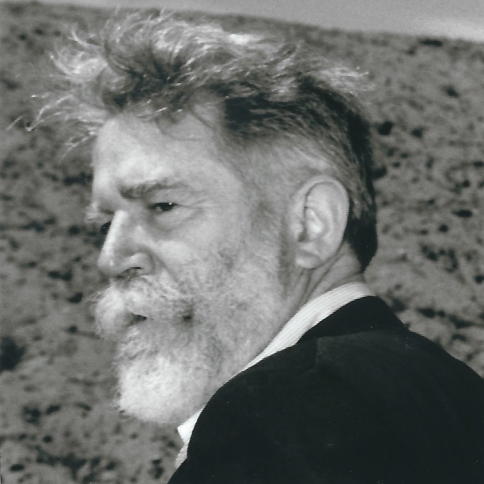
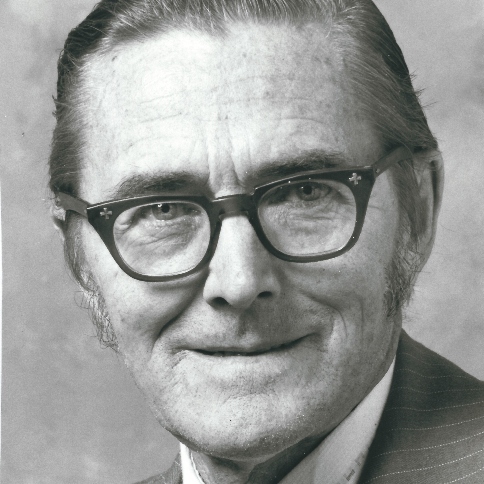
Yakir Aharonov

Wolf Prize Laureate in Physics 1998

Yakir Aharonov


Affiliation at the time of the award:

Tel-Aviv University, Israel

University of South Carolina, USA


Award citation:

“for the discovery of quantum topological and geometrical phases, specifically the Aharonov-Bohm effect, the Berry phase, and their incorporation into many fields of physics”.


Prize share:

Yakir Aharonov 

Sir Michael V. Berry


Yakir Aharonov (born in 1932, Israel) completed his undergraduate education at the Technion – Israel Institute of Technology in Haifa, earning a BSc in 1956. He pursued his graduate studies at the Technion before moving to Bristol University, UK, alongside his doctoral advisor David Bohm. He received his Ph.D. degree in 1960. Following his doctoral studies, Aharonov held teaching positions at Brandeis University from 1960 to 1961 and at Yeshiva University from 1964 to 1967, both in the United States.

The work of Professors Yakir Aharonov and Michael V. Berry on topological and geometrical phases has stimulated and motivated a large amount of theoretical and experimental activity in widely different fields of physics over the last thirty years. These fields include optics, nuclear physics, fluid physics, chemistry, molecular physics, string theory, gravitational physics, cosmology, solid state physics, the foundations of quantum mechanics, and most recently, attempts to develop quantum computing. A few especially transparent examples of the diversity of their impact include the understanding of coherence and wave function entanglement phenomena in optical and electronic systems; the quantum Hall effect, flux quantization and persistent currents in normal and superconducting systems, and the chaotic evolution of a quantum system.

The basic effect of Yakir Aharonov and the late David Bohm, proposed in 1959, considers a charged particle, e.g. an electron, which quantum mechanically passes on both sides of a tube containing a magnetic flux. The electron can be confined into a region where the magnetic field in a flux tube never penetrates. There is, however, a vector potential in this field free region which produces different phases in the parts of the electron’s wave function passing to the ‘left’ or ‘right’ of the flux tube. The interference pattern depends on the flux. The existence of the Aharonov-Bohm effect, which is based on the non-locality of quantum mechanics, therefore requires an unsettling revision of classical ideas about which there is still much discussion.

In 1984, Berry showed that the adiabatic theorem of quantum and classical mechanics was incomplete in that it left out the possibility that a quantum system could also acquire a ‘geometrical phase’ which depended only upon the geometry of the parameter space and the circuit adiabatically traversed. As a generalization of the Aharonov-Bohm effect, the Berry phase is now an integral part of modern quantum physics. It is routinely used in condensed matter physics, for example in understanding flux quantization, electron beam holography, and the spontaneous polarization in ferroelectrics. Far beyond that, the introduction of ‘the Berry phase’ has served to unify geometrical and topological aspects in diverse areas of science, including field and string theory, gravitational physics, mechanics, and physical chemistry.

Although the geometrical and topological phase effects remain intuitively difficult and abstract, they have become essential ingredients in the development of practical applications like micron sized electronic devices and superconducting quantum interference devices (SQUIDS).

Michael V. Berry

Wolf Prize Laureate in Physics 1998

Sir Michael V. Berry


Affiliation at the time of the award:

Bristol University, UK


Award citation:

“for the discovery of quantum topological and geometrical phases, specifically the Aharonov-Bohm effect, the Berry phase, and their incorporation into many fields of physics”.


Prize share:

Sir Michael V. Berry

Yakir Aharonov 


Michael V. Berry (born in 1941, UK) obtained his BSc in Physics from the University of Exeter and completed his PhD at the University of St. Andrews. Throughout his professional journey, he remained affiliated with the University of Bristol. He served as a research fellow, lecturer, Professor of Physics and Holds the position of Royal Society Research Professor from 1988.

The work of Professors Yakir Aharonov and Michael V. Berry on topological and geometrical phases has stimulated and motivated a large amount of theoretical and experimental activity in widely different fields of physics over the last thirty years. These fields include optics, nuclear physics, fluid physics, chemistry, molecular physics, string theory, gravitational physics, cosmology, solid state physics, the foundations of quantum mechanics, and most recently, attempts to develop quantum computing. A few especially transparent examples of the diversity of their impact include the understanding of coherence and wave function entanglement phenomena in optical and electronic systems; the quantum Hall effect, flux quantization and persistent currents in normal and superconducting systems, and the chaotic evolution of a quantum system.

The basic effect of Yakir Aharonov and the late David Bohm, proposed in 1959, considers a charged particle, e.g. an electron, which quantum mechanically passes on both sides of a tube containing a magnetic flux. The electron can be confined into a region where the magnetic field in a flux tube never penetrates. There is, however, a vector potential in this field free region which produces different phases in the parts of the electron´s wave function passing to the “left” or “right” of the flux tube. The interference pattern depends on the flux. The existence of the Aharonov-Bohm effect, which is based on the non-locality of quantum mechanics, therefore requires an unsettling revision of classical ideas about which there is still much discussion.

In 1984, Berry showed that the adiabatic theorem of quantum and classical mechanics was incomplete in that it left out the possibility that a quantum system could also acquire a “geometrical phase” which depended only upon the geometry of the parameter space and the circuit adiabatically traversed. As a generalization of the Aharonov-Bohm effect, the Berry phase is now an integral part of modern quantum physics. It is routinely used in condensed matter physics, for example in understanding flux quantization, electron beam holography, and the spontaneous polarization in ferroelectrics. Far beyond that, the introduction of “the Berry phase” has served to unify geometrical and topological aspects in diverse areas of science, including field and string theory, gravitational physics, mechanics, and physical chemistry.

Although the geometrical and topological phase effects remain intuitively difficult and abstract, they have become essential ingredients in the development of practical applications like micron sized electronic devices and superconducting quantum interference devices (SQUIDS).

Ruth Arnon

Wolf Prize Laureate in Medicine 1998

Ruth Arnon


Affiliation at the time of the award:

Weizmann Institute of Science, Israel


Award citation:

“for their major discoveries in the field of immunology”.


Prize share:

Ruth Arnon

Michael Sela 


Ruth Arnon (born in 1933, Israel) pursued her studies in chemistry at the Hebrew University of Jerusalem, earning her M.Sc. degree in 1955. In 1960, she joined the Weizmann Institute of Science, where she commenced her doctoral research under the guidance of Michael Sela.

Professors Michael Sela and Ruth Arnon were the first to introduce synthetic polypeptides into immunological research and insinuated the notion of immunogen and immunogenicity. They conceived the idea of synthetic vaccines as a mere concept in drug design and opened the road to the development of peptide vaccines. Their pioneering discoveries enabled safe, effective and long-term vaccines to be produced against infectious diseases, as well as specific peptides to be developed to treat autoimmune disorders.

Michael Sela and Ruth Arnon first introduced the use of linear and branched synthetic polypeptides as antigens, and thus brought about a better understanding of immunological phenomena. They have introduced then the notions of immunogen and immunogenicity. Distinguishing between sequential and conformational epitopes, they have succeeded to synthesize a peptide cross-linked by a disulfide bond, derived from native lysozyme. This synthetic conformational epitope, attached to a synthetic branched polypeptide, evoked antibodies reactive with the native protein. Based on this finding, Sela and Arnon developed the notion of synthetic vaccines against infectious diseases in which a specific epitope, as well as an adjuvant, could be linked covalently to a macromolecular carrier, leading to neutralizing antibodies. For close to 30 years Arnon and Sela have been deeply interested in the possibility of fighting the autoimmune disease, experimental allergic encephalomyelitis (EAE) with synthetic analogs of the molecules in the myelin sheath of the brain which are capable of provoking the disease.

Among the many analogs initially tested, they concentrated their efforts on a synthetic copolymer of four amino acids, denoted Cop 1, which cross-reacts immunologically both at the antibody level and at the T cell level, with the myelin basic protein (MBP). Cop 1 can suppress the onset of the disease in laboratory animals such as guinea pigs, rabbits, mice and rats, reverts the disease in monkeys, and is capable of reducing the number of attacks in patients with exacerbating-remitting type of multiple sclerosis (MS). Its development paves the way for the design of specific drugs for treatment of other autoimmune diseases, based on the nature of the respective autoantigen.

Michael Sela

Wolf Prize Laureate in Medicine 1998

Michael Sela


Affiliation at the time of the award:

Weizmann Institute of Science, Israel


Award citation:

“for their major discoveries in the field of immunology”.


Prize share:

Michael Sela 

Ruth Arnon


Michael Sela (born in 1924, Poland) initially wanted to specialize in chemistry, at the age of 17, he immigrated to Israel with his family and enrolled in the chemistry program at the Hebrew University of Jerusalem. Following the completion of his MSc, he started his PhD studies in Geneva.

Professors Michael Sela and Ruth Arnon were the first to introduce synthetic polypeptides into immunological research and insinuated the notion of immunogen and immunogenicity. They conceived the idea of synthetic vaccines as a mere concept in drug design and opened the road to the development of peptide vaccines. Their pioneering discoveries enabled safe, effective and long-term vaccines to be produced against infectious diseases, as well as specific peptides to be developed to treat autoimmune disorders.

Michael Sela and Ruth Arnon first introduced the use of linear and branched synthetic polypeptides as antigens, and thus brought about a better understanding of immunological phenomena. They have introduced then the notions of immunogen and immunogenicity. Distinguishing between sequential and conformational epitopes, they have succeeded to synthesize a peptide cross-linked by a disulfide bond, derived from native lysozyme. This synthetic conformational epitope, attached to a synthetic branched polypeptide, evoked antibodies reactive with the native protein. Based on this finding, Sela and Arnon developed the notion of synthetic vaccines against infectious diseases in which a specific epitope, as well as an adjuvant, could be linked covalently to a macromolecular carrier, leading to neutralizing antibodies. For close to 30 years Arnon and Sela have been deeply interested in the possibility of fighting the autoimmune disease, experimental allergic encephalomyelitis (EAE) with synthetic analogs of the molecules in the myelin sheath of the brain which are capable of provoking the disease.

Among the many analogs initially tested, they concentrated their efforts on a synthetic copolymer of four amino acids, denoted Cop 1, which cross-reacts immunologically both at the antibody level and at the T cell level, with the myelin basic protein (MBP). Cop 1 can suppress the onset of the disease in laboratory animals such as guinea pigs, rabbits, mice and rats, reverts the disease in monkeys, and is capable of reducing the number of attacks in patients with exacerbating-remitting type of multiple sclerosis (MS). Its development paves the way for the design of specific drugs for treatment of other autoimmune diseases, based on the nature of the respective autoantigen.

James Turrell

Wolf Prize Laureate in Arts 1998

James Turrell


Award citation:

“His highly individualistic imagery is a spiritualized synthesis of form and light in seemingly infinite space”.


Prize share:

None


James Turrell is considered to be one of the most interesting, original and important visual artists of the last two decades.

Turrell treats light as a substance, as other artists would treat paint or sculptural materials. He creates environments and installations in which the space becomes a radiant matter and which excludes real objects and defined images. He manages to dematerialize the art object as his works exist on the borderline between reality and imagination, between the existing and the nonexistent. His Art deals with light itself, not as a bearer of the revelation, it is the revelation.

His works challenge our visual perception of the world. By experiencing them we discover new aspects of perception and sight, and through these we rediscover ourselves. For these reasons every work by James Turrell becomes a rare physical and spiritual experience.

Gerhard Ertl

Wolf Prize Laureate in Chemistry 1998

Gerhard Ertl


Affiliation at the time of the award:

Fritz-Haber Institute, Germany


Award citation:

“for their outstanding contributions to the field of the surface science in general, and for their elucidation of fundamental mechanisms of heterogeneous catalytic reactions at single crystal surfaces in particular”.


Prize share:

Gerhard Ertl 

Gabor A. Somorjai


Gerhard Ertl (born in 1936, Germany) studied physics from 1955 to 1957, then continued under the guidance of his thesis advisor, Heinz Gerischer, to receive his doctorate from the Technical University of Munich in 1965. During the 1970s and 1980s, he held visiting professorships at esteemed institutions such as the California Institute of Technology (1976–1977), the University of Wisconsin-Milwaukee (1979), and the University of California, Berkeley (1981–1982). In 1986, he became the director of the MPG’s Fritz Haber Institute.

Professors Gerhard Ertl and Gabor A. Somorjai have laid the foundation of our present conceptual understanding of the processes of chemical change in molecules adsorbed on single crystal metal surfaces; their work has provided a new perspective to our understanding of heterogeneous catalysis. They have developed and applied sophisticated new analytical tools for determining molecular structure at metal surfaces, and the atomic structure of the metals themselves. With these tools in hand they have been able to characterize the changes in surface structure which may accompany molecular adsorption, and even changes which occur during chemical reaction, and to correlate catalytic activity with the character of the surface structure. Among their many fundamental contributions we highlight particularly, the following:

Gerhard Ertl has determined the detailed mechanisms at the molecular level, of the catalytic synthesis of ammonia over iron and the catalytic oxidation of carbon monoxide over palladium. During these very careful studies he discovered the important phenomenon of oscillatory reactions on platinum surfaces and, using photoelectron microscopy, was able to image for the first time, the oscillating changes in surface structure and coverage that occur during reaction. His work has been especially distinguished by his ability to design experiments which identify and isolate the key parameters which control chemical reactivity at catalytic surfaces.


Gabor A. Somorjai

Wolf Prize Laureate in Chemistry 1998

Gabor A. Somorjai


Affiliation at the time of the award:

University of California, USA


Award citation:

“for their outstanding contributions to the field of the surface science in general, and for their elucidation of fundamental mechanisms of heterogeneous catalytic reactions at single crystal surfaces in particular”.


Prize share:

Gabor A. Somorjai

Gerhard Ertl 


Gabor A. Somorjai (born in 1935, Hungary) pursued chemical engineering studies at the Budapest University of Technology and Economics in 1956. Later, he enrolled in graduate studies at Berkeley, where he earned his doctorate in 1960. After a brief period on IBM’s research staff in Yorktown Heights, New York, he returned to Berkeley as an assistant professor in 1964.

Professors Gerhard Ertl and Gabor A. Somorjai have laid the foundation of our present conceptual understanding of the processes of chemical change in molecules adsorbed on single crystal metal surfaces; their work has provided a new perspective to our understanding of heterogeneous catalysis. They have developed and applied sophisticated new analytical tools for determining molecular structure at metal surfaces, and the atomic structure of the metals themselves. With these tools in hand they have been able to characterize the changes in surface structure which may accompany molecular adsorption, and even changes which occur during chemical reaction, and to correlate catalytic activity with the character of the surface structure. Among their many fundamental contributions we highlight particularly, the following:

Gabor A. Somorjai has pioneered the application of low energy electron diffraction (LEED) in surface crystallography and recognized the crucial importance of steps, kinks and terraces in heterogeneously catalyzed reactions, for example, hydrocarbon conversion over platinum and ammonia synthesis over iron and rhenium. He has explored the properties of metal surfaces reconstructed by adsorbed molecules and recognized the important role that surface reconstruction plays in heterogeneous catalysis. He has applied scanning tunneling microscopy (STM) and sum frequency generation (SFG) to molecular surface characterization under “practical conditions”, i.e. at high pressures rather than ultra-high vacuum. He has had the courage to tackle complex problems and the personality to promote the field of surface science among the wider community.

Ilan Chet

Wolf Prize Laureate in Agriculture 1998

Ilan Chet


Affiliation at the time of the award:

The Hebrew University of Jerusalem, Israel


Award citation:

“for their contributions to the environmentally safe development of world agriculture through innovative approaches in breeding and bio-control”.


Prize share:

Ilan Chet 

Baldur R. Stefansson


Prof. Ilan Chet is internationally recognized as a pioneer in the field of biological control of plant pathogens which cause major crop losses. This field is of primary importance in the protection of crops as an alternative to environmental contamination by hazardous pesticides. He has pioneered the application of fungal physiology and the use of micro-organisms for biological control of plant diseases. His research combines in-depth knowledge of the physiology and the biochemistry of the fungi at the cellular and molecular levels, seeking explanations for pathogenic processes.

Professor Chet’s ability to effectively link fundamental and applied aspects of such diverse fields as plant pathology, soil microbiology and biotechnology led to the development of novel biological control agents which are now successfully used as commercial products. Professor Chet has also trained and mentored a new generation of plant biologists and thus contributed to the wide- spread application of new biological approaches in agriculture.


Baldur R. Stefansson

Wolf Prize Laureate in Agriculture 1998

Baldur R. Stefansson


Affiliation at the time of the award:

University of Manitoba, Canada


Award citation:

“for their contributions to the environmentally safe development of world agriculture through innovative approaches in breeding and bio-control”.


Prize share:

Baldur R. Stefansson

Ilan Chet 


Baldur R. Stefansson (born in 1917, Canada) pursued his academic journey at the University of Manitoba, where he earned a Dip.Ag. in 1949, a B.S.A. in 1950, and an M.Sc. in 1952. Subsequently, he completed his Ph.D. in 1966. Stefanson worked at the Department of Plant Science at the University of Manitoba, serving as both a professor and researcher.

Professor Baldur R. Stefansson has made major contributions to the development of canola over a period of more than 30 years. It is mainly due to his influence and vision that oilseed rape has been transformed from a marginal edible oilseed covering 2.7 million hectares in 1950 to a leading oilseed crop in the world today covering in excess of 27 million hectares.

Prof. Stefansson has been one of the first to apply modern chemical analytical tools to monitor the composition of fatty acids of the canola oil, and thus to rapidly recognize and follow the development of new fatty acid compositions. This has eventually resulted in canola being one of the most nutritious oils for food use today. Canola is among the first crops presently undergoing a second revolution due to the advent of biotechnology. This second revolution will further advance the use of canola for the benefit of humanity.

Mary F. Lyon

Wolf Prize Laureate in Medicine 1996/7

Mary Frances Lyon


Affiliation at the time of the award:

Medical Research Council, Mammalian Genetics Unit, England


Award citation:

“for her hypothesis concerning the random inactivation of X-chromosomes in mammals.”


Prize share:

None


Dr. Mary Frances Lyon (born in 1925, England) commenced her academic journey at Girton College, part of the University of Cambridge, in 1943. Her coursework included zoology, physiology, organic chemistry, and biochemistry, with a primary focus on zoology. As she delved into her studies at Cambridge, her interest in embryology blossomed. Subsequently, she pursued her Ph.D. under the guidance of Ronald Fisher. Continuing her doctoral studies, she relocated to the University of Edinburgh, completing her research under the supervision of Douglas Falconer.

Mary Frances Lyon put forward early in 1961 a disarmingly simple yet elegant hypothesis regarding the random inactivation of one of the two X-chromosomes carried by female mammalian cells.

Somatic cells of male mammals carry only one X-chromosome, whereas cells of females carry two. Since many of the genes encoded on the X-chromosome must be expressed to the same extent in both male and female cells, some mechanism must exist to compensate for this imbalance in X-chromosome number. The Lyon Hypothesis was put forward as a means of achieving this dosage compensation for the genes encoded on the X-chromosome. In a concise one-page paper (Nature 190: 372, 1961), Lyon argued that this balance was brought about by the random inactivation of either the paternally or maternally inherited X-chromosome in each female cell and that this inactivation occurred early in embryonic development.

The original arguments were made on the basis of genes expressed in the mouse, including coat color genes, but this hypothesis explained X-chromosome behavior in many – if not all mammals. Over the years her hypothesis has been confirmed by much indirect and, more recently, direct evidence focusing on the gene(s) responsible for this behavior.