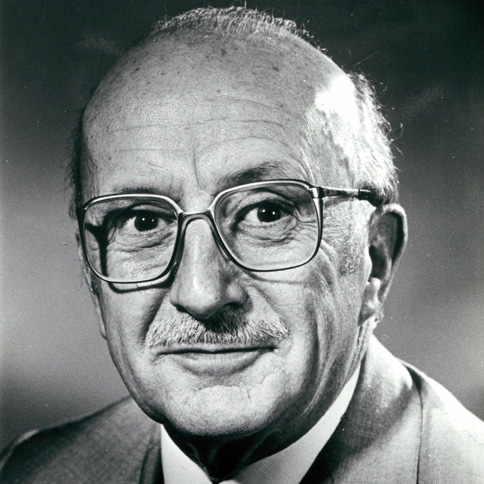
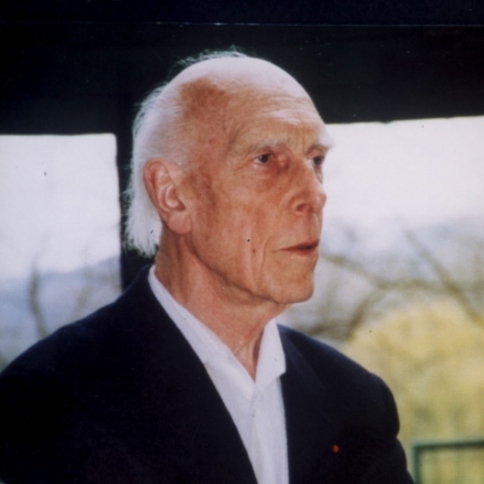
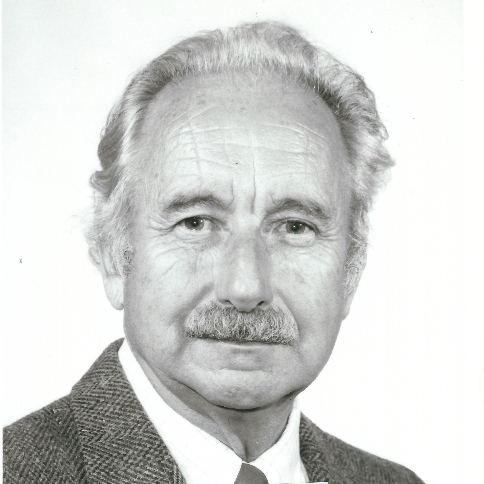
Shang-Fa Yang

Wolf Prize Laureate in Agriculture 1991

Shang-Fa Yang


Affiliation at the time of the award:

University of California, USA


Award citation:

“for remarkable contributions to the understanding of the mechanism of biosynthesis, mode of action and applications of the plant hormone, Ethylene”.


Prize share:

None


Shang-Fa Yang (born in 1932, Taiwan) received his bachelor’s and master’s degrees in agricultural chemistry from the National Taiwan University. He then pursued his doctoral degree in plant biochemistry at Utah State University in the United States. Following the completion of his PhD, he engaged in postdoctoral research at the University of California, Davis, New York Medical School, and the University of California, San Diego. In 1966, Shang-Fa Yang became a faculty member at the University of California, Davis.

Professor Shang-Fa Yang has studied the pathway of ethylene biosynthesis and proved unequivocally the central role of methionine as a precursor of ethylene. Ethylene represents one of the five major hormones affecting plant development and maturation.

Yang was the first to report S-adenosylmethionine as an intermediate in methionine conversion to ethylene. Later in 1979, he discovered aminocylopropane-1-carboxylic acid (ACC) as an intermediate. The discovery of ACC-synthase opened the way to the understanding of the regulating process of ethylene biosynthesis. Moreover, the finding of malonyl-ACC was followed by the understanding of the mechanism of autocatalytic production and suppression of this hormone in the plant tissues.

This research has also opened up further investigations leading to the understanding of ethylene action. At the same time these studies have emphasized the important role played by ethylene in plant growth, development and senescence. This enhanced the application of ethylene in agriculture mainly for optimization of fruit ripening and inhibition of abscission of leaves and flowers. These findings have significantly contributed to economic benefits by prolonging shelf life of fruits, flowers and vegetables after harvest.

Since ethylene has such profound effects, genetic modification of the ACC synthase will now permit scientists to regulate the production of ethylene for prolonging the life span of plants and the modification of flower and fruit development, thus leading to even greater economic advantages for food production.

Jozef S. Schell

Wolf Prize Laureate in Agriculture 1990

Jozef S. Schell


Affiliation at the time of the award:

Max-Planck-Institute for Plant Breeding, Germany


Award citation:

“For his pioneering work in genetic transformation of plants, thereby opening up new horizons in basic plant science and breeding”.


Prize share:

None


Jozef Stefaan Schell (born in 1935, Belgium) studied zoology and microbiology at the University of Ghent, Belgium. Schell is the director of the Max Planck Institute for plant breeding in Koln, West Germany.

Professor Jozef Stefaan Schell played a key role in the development of Agrobacterium and its Ti plasmid as a vector for inserting genes into plants.

His subsequent work has moved to the use of transgenic plants to bring a new dimension into the study of classical problems in plant physiology, particularly in relation to hormone receptors and the mechanisms of hormone action.

Another particularly notable feature of Professor Schell’s work has been his orchestration of collaborative efforts to spread the knowledge and use of these techniques around the world.

The impact of his pioneering contribution and leadership is now beginning to appear as companies are developing transgenic plants for pest and disease resistance and for effecting a range of compositional changes of potential industrial importance.

Ti-plasmid-derived genetic constructions are the only proven vehicles for the introduction of foreign DNA into plants. The newly acquired DNA integrates into the plant´s genome and becomes a stable constituent of the genetic make-up of the transformed plant.

Professor Schell’s studies and research work of over many years led to the elucidation of the molecular basis of crown gall formation on plants by Agrobacterium tumefaciens and the mechanism of DNA transfer to higher plants, and formed the basis for the development of sophisticated vectors and methods for the introduction of novel or modified genes into plants. These developments now allow the stable introduction of desirable genetic traits into plants, also those of agricultural interest. Furthermore, the techniques and vector systems originating from this work are being used to study gene expression in higher plants, in response to hormones, heat shock, pathogens, light and symbiotically nitrogen fixing bacteria and in a tissue specific manner. This led to the identification of tissue specific promoters which can be used to direct the expression of newly introduced genes in the desired tissue (organ) of the plant.

The work of Schell and his coworkers, therefore, represents a major contribution not only to a scientific (molecular) understanding of gene transfer to and gene expression in higher plants, but also offers major new tools for modern plant breeding.

Peter M. Biggs

Wolf Prize Laureate in Agriculture 1989

Peter M. Biggs


Affiliation at the time of the award:

Agricultural and Food Research Council

Institute for Animal Health, United Kingdom


Award citation:

“for distinguished contributions to basic science and its successful translation into practice in the fields of animal health and crop protection”.


Prize share:

Peter M. Biggs

Michael Elliott


Dr. Peter M. Biggs has carried out pioneering work on virus-induced tumors in domestic poultry, which were a major problem in intensive production systems. Work in his laboratory showed that both retroviruses and herpes viruses were implicated in these diseases. Work in other laboratories over the same period showed that the avian retroviruses could be divided into several sub-groups with resistance in the last being controlled by a single recessive gene. This work led to the development of methods for the selection of genetically determined resistant breeding stocks. Work on the epidemiology and pathology of the most severe forms of lymphoids tumors in poultry known as Marek´s disease after the author of the initial description of the condition, showed it to be due to an unusual type of herpes virus with a high affinity for cell binding. Further development of these findings led to the development of a novel vaccine which was in fact the first effective vaccine against a tumor condition in any species. This vaccine is now used for protection against Marek´s disease throughout the world where extensive poultry production is carried out. Throughout his career Professor Biggs has made major contributions and is a recognized leader in the field of animal health, having established and encouraged the use of the techniques of genetic engineering and biotechnology for the study of infectious diseases.


Michael Elliott

Wolf Prize Laureate in Agriculture 1989

Michael Elliott


Affiliation at the time of the award:

Agricultural and Food Research Council

Institute of Arable Crops Research, United Kingdom


Award citation:

“for distinguished contributions to basic science and its successful translation into practice in the fields of animal health and crop protection”.


Prize share:

Michael Elliott

Peter M. Biggs


Michael Elliot (born in 1924, England) received his education at Skinners County School in Tunbridge Wells, followed by attending University College, Southampton, and later King’s College London. His Ph.D. research at King’s College focused on the synthesis of natural pyrethrins, sparking an enduring interest that would shape his scientific career. In 1948, Elliot took on the role of a scientific officer in the Insecticides and Fungicides Department at Rothamsted, where he delved into studying the connections between molecular structure and biological activity. The innovative work of his team led to the discovery of two sets of new compounds, earning Rothamsted Queen’s Awards for Technological Achievement in 1976 and 1980. In recognition of his significant contributions, Elliott was elected a fellow of the Royal Society in 1979 and was appointed Commander of the Order of the British Empire (CBE) in 1982.

Dr. Michael Elliot has demonstrated scientific vision in the field of crop protection against insects. In the 1940´s he recognized that the naturally occurring insecticidal compounds of plant in the Composite (Sunflower family) Chrysanthemum cinevariaefolium known as pyrethroids had important crop protective potential but suffered from serious disadvantages of lack of potency, stability and selectivity. He, therefore, embarked on an imaginative program for the development of synthetic analogues of the naturally occurring compounds and produced two, resmethrin (1962) and bioresmethrin (1985) which had greatly enhanced potency and insect specificity, combined with low mammalian toxicity. These compounds were particularly effective for use in domestic and stored products, but were photodegradable and therefore relatively ineffective under the field conditions. By 1973 Dr. Elliott had produced further analogues which combined crop surface stability and insecticidal potency with exceptionally low mammalian toxicity; they also had the advantage over the organochlorine insecticides of being readily biodegradable in the soil without the formation of toxic residues. These compounds have proved to be of enormous economic Importance in the protection of a very wide variety of herbaceous and tree crops. At the fundamental level Dr. Elliott’s work has made possible the establishment of relationships between chemical structure and insecticidal activity in pyrethroids; improved the understanding of factors which determine photostability selectivity and mammalian toxicity and provided a series of steroisomers with contrasting insecticidal activities which are proving to be powerful tools for neurophysiological “site of action’ studies.

Christopher Polge

Wolf Prize Laureate in Agriculture 1988

Ernest John Christopher Polge


Affiliation at the time of the award:

Animal Biotechnology Cambridge Ltd., UK


Award citation:

“for pioneering work in reproductive physiology including cell preservation, fertilization processes, egg biology and embryo manipulations for domestic animal improvement”.


Prize share:

Ernest John Christopher Polge  

Charles Thibault


Dr. Ernest John Christopher Polge is renowned for his pioneering work on the cryopreservation of living cells, such as sperm and in embryos. His work in this area promoted the development of the science of cryobiology. He has also contributed significantly to our understanding of embryonic development, in vitro fertilization and embryo transplants. In addition, he led a group to international recognition for pioneering techniques in cloning livestock animals by embryo division and nuclear transfer, and initiated transgenic research by insertion of gene constructs into pronuclei of recently fertilized eggs.

Throughout his career he has been concerned with the transfer and application of science for the improvement of livestock production.

The combined contributions of Polge and Thibault have had a major impact on reproductive biology, livestock production and related reproductive issues on other mammals as well as in humans. In addition both have had a major role in the training of other scientists and their leadership roles in reproductive biology.

Charles Thibault

Wolf Prize Laureate in Agriculture 1988

Charles Thibault


Affiliation at the time of the award:

University of Paris VI, France


Award citation:

“for pioneering work in reproductive physiology including cell preservation, fertilization processes, egg biology and embryo manipulations for domestic animal improvement”.


Prize share:

Charles Thibault

Ernest John Christopher Polge


Professor Emeritus Charles Thibault is renowned for his pioneering research on the maturation of the egg and its fertilization. In this regard he had a major role in characterizing the control of meiosis in the egg and providing the first cytological descriptions of fertilization events leading up to the first cleavage. His work progressed from these studies to in vitro fertilization and the conditions for culturing eggs, the study of sperm capacitation and gamete ageing in a number of different species. The results of his work improved our understanding of embryonic mortality differences among species, elevating conception rates and factors involved in the successful use of in vitro fertilization. Throughout his career he has been recognized for his leadership in reproductive biology.

The combined contributions of Polge and Thibault have had a major impact on reproductive biology, livestock production and related reproductive issues on other mammals as well as in humans. In addition both have had a major role in the training of other scientists and their leadership roles in reproductive biology.

Theodor O. Diener

Wolf Prize Laureate in Agriculture 1987

Theodor O. Diener


Affiliation at the time of the award:

Plant Protection Institute, Agricultural Research Service, USA


Award citation:

“for his discovery and pioneering fundamental research on viroids, the smallest subviral pathogens, and his applied work on viroid detection in crops.”


Prize share:

None


His fundamental and applied studies have firmly established the existence of viroids, a new group of subviral pathogens.

Dr. Diener discovered that the pathogen causing potato spindle tuber disease is not a virus, as previously believed, but a much smaller, free RNA molecule, which he named viroid. The discovery by Diener and his colleagues of other viroids affecting various cultivated plants such as chrysanthemum stunt, coconut cadang-cadang and planta macho viroid of tomato soon followed; so that today viroids are considered to be an important group of disease agents affecting potatoes, tomatoes, citrus, avocado, etc. His pioneering studies on isolation and purification showed inequivocally that viroids have a unique molecular structure, different from any other pathogen. Dr. Diener found that viroids replicate without helper virus; that viroid-complementary DNA, produced by insertion into bacteria, are themselves infectious and that the RNA transcribed in potato cells is identical with the viroid. Cloned viroid-specific cDNAs were also developed by him for novel diagnostic tests.

Dr. Diener’s work has direct application to the control of viroid diseases of many crops, as well as to the elucidation of the unique biological and molecular properties of these small disease agents.

Ralph Riley

Wolf Prize Laureate in Agriculture 1986

Ralph Riley


Affiliation at the time of the award:

Agricultural and Food Research Council, UK


Award citation:

“for their fundamental research in cytogenetics of wheat, providing the basis for genetic improvement of cereal grains”.


Prize share:

Sir Ralph Riley

Ernest R. Sears


Sir Ralph Riley (born in 1924, UK) led a research group, which increased precision of plant breeding by experimentally describing the chromosomal architecture of wheat and related species, and by comparing genetic activities of corresponding chromosomes. During investigations which Dr. Riley started in 1958, he and his colleagues described the genetic systems by which pairing of wheat chromosomes at meiosis is limited to those which are fully homologous, and by which pairing between distantly related chromosomes is precluded. This basic knowledge allowed Dr. Riley to pair and recombine chromosomes in a way that is normally illegitimate.

The 1986 Wolf prize in agriculture is awarded to two eminent plant cytogeneticists tor their basic plant breeding research which has provided the foundation for improved cereal grain varieties.

The prize is presented to both scientists to recognize their independent but related work which led to the finding that the 5B chromosome controls chromosome pairing in wheat. This discovery allowed insertion of genes from alien species into wheat. It permits plant breeders to take desirable characteristics from alien plants, such as wild grasses, and insert them in wheat to vastly improve wheat germ plasms and cultivars.

Together, the work of these two brilliant and dedicated scientists has led to enormously improved understanding of plant cytogenetics, thus allowing plant breeders to vastly improve cereal grain varieties to feed the world’s growing and hungry population.

Ernest R. Sears

Wolf Prize Laureate in Agriculture 1986

Ernest R. Sears


Affiliation at the time of the award:

University of Missouri, USA


Award citation:

“for their fundamental research in cytogenetics of wheat, providing the basis for genetic improvement of cereal grains”.


Prize share:

Ernest R. Sears

Sir Ralph Riley


Ernest R. Sears (born in 1910, USA) synthesized for the first time in 1946 a hexaploid wheat. In 1950, he completed work, which established the monosomic series in wheat, and later created a mullisomic series, a trisomic series, and a telesomic series of chromosomes in wheat. These have greatly enhanced development and breeding of modern wheat varieties.

The 1986 Wolf prize is awarded to two eminent plant cytogeneticists tor their basic plant breeding research which has provided the foundation for improved cereal grain varieties.

The prize is presented to both scientists to recognize their independent but related work which led-to. the finding that the 5B chromosome controls chromosome pairing in wheat. This discovery allowed insertion of genes from alien species into wheat. It permits plant breeders to take desirable characteristics from alien plants, such as wild grasses, and insert them in wheat to vastly improve wheat germ plasms and cultivars.

Together, the work of these two brilliant and dedicated scientists has led to enormously improved understanding of plant cytogenetics, thus allowing plant breeders to vastly improve cereal grain varieties to feed the world´s growing and hungry population.

Robert H. Burris

Wolf Prize Laureate in Agriculture 1985

Robert H. Burris


Affiliation at the time of the award:

College of Agriculture and Life Sciences, University Of Wisconsin, USA


Award citation:

“for his pioneering fundamental research on the mechanisms of biological nitrogen fixation and its application in crop production.”


Prize share:

None


Robert H. Burris (born in 1914, USA) completed his undergraduate studies in chemistry, earning a B.S. degree from South Dakota State University in 1936, followed by obtaining his Ph.D. from the University of Wisconsin-Madison in 1940. His postdoctoral research involved collaborating with Harold Urey at Columbia University. Subsequently, he returned to Madison and ultimately ascended to a professorial position within the biochemistry department. Notably, he held the position of department chairman from 1958 to 1970.

In the air above every hectare of land there are about 78 tons of elemental nitrogen. The latter is chemically inert and, under ordinary conditions, does not react with other elements. Hence most crop plants are likely to be starving in this sea of nitrogen. Only when the nitrogen in the air is combined with other elements it is possible for plants to use this nitrogen in their growth processes.

The mere fact that some bacteria are able to use the elemental form of nitrogen that exists in the atmosphere has been known for nearly 100 years since its discovery by the Russian biochemist S. N. Vinogradsky. Thus, these nitrogen-fixing bacteria can grow in the absence of combined nitrogen and, at the same time, produce nitrogenous substances in the soil that may be used later by crop plants.

However, during the first fifty years since the discovery of biological nitrogen fixation by soil-inhabiting bacteria, very little information was available as regards the biochemical mechanisms involved. This was quite surprising in view of the paramount importance of this process in the nitrogen budget of our globe.

The state of the knowledge regarding this wonder of nature has changed dramatically in the late 1930’s and early 1940’s when Professor Burris investigations on the basic chemistry and physiology of the microorganisms that fix nitrogen, actually opened up an entire new vista of basic research on biological nitrogen fixation. He was the first to use a radioactive isotope of nitrogen (15N) in this study, which led to the discovery of ammonia to be the key intermediate in this biochemical process.

For over 45 years, following these pioneering efforts, Professor Burris and his colleagues have purified and studied in great detail and depth the complex of enzymes involved, and the metabolic pathways followed in this natural phenomenon. At the same time they developed novel techniques for reliable, quantitative assay of the nitrogen fixing activity of microorganisms.

The scope of his research in this particular area has not been limited to the well recognized nitrogen-fixing bacteria that live in symbiosis with leguminous, plants in nodules formed on their roots. His studies also embraced the free-living microorganisms that are able to fix atmospheric nitrogen. Mention should be made in this connection of Prof. Burris pioneering work on Azospirillum – a free-living nitrogen-fixing genus of bacteria associated with plant roots, in particular cereal plants.

One may sum up Burris’ contributions to fundamental biochemical research on nitrogen fixation by concluding that his very careful, thorough investigations have been in the heart of the efforts to elucidate the mechanism of this life-supporting process. He has thus rightly earned the title of ‘world doyen of nitrogen fixation.

Because of the pressing food needs of the world on one hand, and the rising cost of chemical nitrogen fixation for use in mineral fertilizers on the other, the subject of biological nitrogen fixation is currently receiving greatly increased attention throughout the world.

The lifelong fundamental studies of Prof. Burris provided the scientific background for the now worldwide practice of inoculating legume crops with industrially manufactured pre-cultured strains of nitrogen-fixing bacteria. The latter are capable of supplying essentially all the nitrogen requirements of the plan~ Furthermore, the highly sensitive techniques developed by Prof. Burris for measuring this biological activity, proved most instrumental in the selection of more effective strains of bacteria for this purpose.