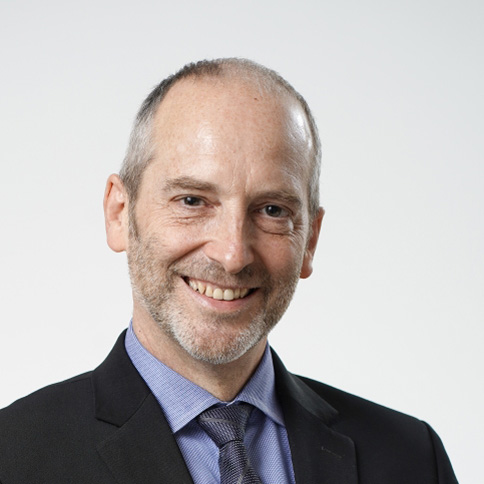
Eilon Shani

Krill Prize 2017
Tel Aviv University

Dr. Eilon Shani 
Scientific Overview:
Plant growth and development is mediated to a large extent by hormones. Plants regulate hormone response pathways at multiple levels including biosynthesis, metabolism, perception, and signaling (1-3). In addition, plants exhibit the unique ability to spatially regulate hormone distribution ( 4, 5). This ability is illustrated most clearly in the case of auxin (!AA). The combined activity of auxin influx and efflux carrier proteins generates auxin maxima and local gradients that inform developmental patterning. The regulation of the cellular localization of PIN-FORMED (PIN) efflux transporters determines the direction of auxin flow from one cell to another ( 6, 7). Until recently, little was known about the transport mechanisms and the distribution patterns of hormones other than auxin. These are exciting days for the plant hormone community as novel gibberellin (GA), abscisic acid (ABA), and cytokinin (CK) transporters have recently been identified (8-14) joining earlier findings on auxin transporters (15, 16), all are members ofNPF, ABC, or PUP families. My research group and others identified the NPFs as the first GA transporter in plants 14• Although our studies suggest that individual NPF and ABC genes have specialized functions, genetic analyses of the family have been limited by the scarcity of loss-of-function phenotypes. The major reason for this is that plant genomes are highly redundant. There are huge numbers of genes encoding NPF and ABC transporters (53 and 120, respectively, in Arabidopsis) that exhibit high redundancy despite diverse substrate specificity of the encoded proteins. This redundancy, with over 80% of all protein-coding genes belonging to families, illustrates the huge challenge to the field of plant genetics in general and to the study of hormone transport specifically. On top of that, certain transporters, such as some NPFs, can transport multiple hormone substrates (GA, ABA) generating a highly robust system that is unique and interesting but puzzling (J 2, 14, 17). Furthermore, transporters with high specificity for conjugated hormones, which must balance the subcellular active hormone pools, have not been identified.
We plan to address the burning questions that emerge from this recent progress in the field, all of which are challenging due to the functional redundancy of plant hormone transporters: 1) Do closely related NPF and ABC members transport multiple substrates and what is the biological importance of such activity? 2) Why have GA exporters, which must exist to enable the movement of the hormone, not been identified? 3) Are there specialized hormone transporters for conjugated hormones and what is their contribution to the rapid hormone response at tissue and subcellular levels? 4) Do subcellularly localized hormone transporters affect the hormone response and what is subcellular hormone map?
The major goal of the lab goals is to investigate the robust and specialized functions of plant hormone transporter families. In our lab we will are using multiple-targeted artificial microRNAs and CRISPR technology to establish Arabidopsis and tomato populations, respectively, deficient in multiple redundant hormone transporters. First stage, we generated a unique targeted forward genetic approach that bypasses functional redundancy in plants with a dynamic screening range. This allows us to first target the NPF and ABC families in Arabidopsis and tomato. At a second stage, we are using targeted high-throughput screens to identify developmental redundant phenotypes. These loss-of-function phenotypes combined with hormone-mediated physiological assays, analyses of transporter expression patterns and localization, and biochemical transport assays allows us to study NPF and ABC hormone transport mechanisms, identify missing exporters, and evaluate subcellular localization of hormone transporters. Our work in the past three years has identified novel putative GA, CK, IAA and ABA hormone transporters, including CRISPR application in tomato that recovered striking GA-mediated growth defects when six novel GA transporters were knocked out in tomato, thus emphasizing the outstanding strength of our screens. Having the novel CRISPR multiple-targeted platform at our disposal is a significant achievement, since it not only contribute to our understanding of hormone transport mechanisms but will also serve as a scientific breakthrough to overcome functional redundancy in all fields of plant biology and agricultural breeding.
In addition, there is growing amount of evidence suggesting that hormone transporters localized on intracellular compartments actively regulate the subcellular distributions of hormones and hormone intermediate (J 8-20). One of the labs aims is to obtain a deeper understanding of hormones distribution in snbcellular resolution, and address the question of quantitative endogenous hormone levels in different compartments. To profile cellular hormone metabolites within discrete organelles, we are using an innovative strategy to isolate distinct cellular compartments and reveal the complete profiles of active hormone and hormone precursors and conjugates in organelles. This approach will generate the first subcellular hormone localization map and will enable the quantification and characterization of the in vivo activities of known and unidentified subcellular hormone transporters. We believe that our studies will lead to a fuller understanding of hormone transporter functions and specialized subcellular activities.

Stephen L. Buchwald

Wolf Prize Laureate in Chemistry 2019

Stephen L. Buchwald


Affiliation at the time of the award:

Massachusetts Institute of Technology (MIT), USA 


Award citation:

“for developing efficient transition-metal catalysts which form carbon-heteroatom bonds, thus transforming the way drug molecules are manufactured, for the benefit of humankind”.


Prize Share:

Stephen L. Buchwald

John F. Hartwig 


Stephen L. Buchwald was born (1955) in Bloomington, Indiana. He received his Sc.B. degree from Brown University. and his doctorate from Harvard University. He was a Myron A. Bantrell post-doctoral fellow at Caltech with Professor Robert H. Grubbs where he studied titanocene methylenes as reagents in organic synthesis and the mechanism of Ziegler-Natta polymerization. In 1984, he began as an assistant professor of chemistry Massachusetts Institute of Technology (MIT) He was promoted to the associate professor (1989), to professor (1993), and was named the Camille Dreyfus Professor in 1997. In 2015, he became associate head of the Chemistry Department. During his time at MIT, he has received numerous honors, including the Harold Edgerton Faculty Achievement Award of MIT, an Arthur C. Cope Scholar Award, the 2000 Award in Organometallic Chemistry from the American Chemical Society, a MERIT award from the National Institutes of Health and many more.

The development of palladium-catalyzed carbon-carbon bond formation by Prof. Heck, Prof. Negishi and Prof. Suzuki, resulted in the 2010 Nobel Prize for this innovation. This achievement underscored the immense importance of making new chemical bonds, and at the same time it created an urgent need for going beyond carbon-carbon bonds. This is precisely the achievement of Prof. Buchwald and Prof. Hartwig who have independently harnessed cross coupling for the making of carbon-heteroatom bonds. These bonds and especially the carbon-nitrogen bonds are immensely important, because such bonds constitute a very basis of medicinal chemistry. Thus, the two laureates have pioneered the development of transition metal catalyzed procedures that are broadly applicable and allow carbon-heteroatom bonds of all sorts to be formed with previously unknown efficiency and precision.

In so doing, Profs. Buchwald and Hartwig have profoundly impacted the practice of organic synthesis in general and medicinal chemistry in particular. The transformative nature of their achievement has changed the way whereby ever-more-efficient drugs are discovered and eventually manufactured, for the extensive benefit of society today and in the future. This breakthrough is the fruit of truly basic research and fundamental mechanistic investigations into ligand design and the elementary steps that transition metal complexes are able to entertain. These methodologies proved to be truly potent and represent, as such, a lasting legacy for the art and science of catalysis, and the prime justification for awarding Buchwald and Hartwig with the Wolf Prize for 2019.

Moshe Safdie

Wolf Prize Laureate in Architecture 2019

Moshe Safdie


Award citation:

“For a career motivated by the social concerns of architecture and formal experimentation”.


Prize Share:

None


Over a long and distinguished career spanning 50 years, Moshe Safdie has produced a body of work of great originality and artistry in the field of architecture and urbanism. He is also a distinguished educator and in his numerous publications he has articulated a clear and coherent position as an academic and critic.

The projects undertaken by his architectural studio consistently seek experimentation, and can be understood as an evolving form of research. The outreach of the practice is truly international, with projects completed in North and South America, Asia and the Middle East.

The Habitat ’67 project, part of the Montreal World Exposition, is a seminal example of experimental housing, and the impact it has had on housing concepts cannot be overstated. It remains a model of relatively low-rise, high-density housing and has been drawn upon by many architects throughout the world since it was completed. This project alone is worthy of significant recognition.
What has followed is a collection of projects of great complexity and cultural significance, which include, amongst many others, the National Gallery of Canada in Ottawa, the Harvard Rosovsky Hall in Cambridge, Massachusetts, Exploration Place in Wichita, Kansas, the National Library of Israel and the Yad Vashem Holocaust History Museum in Jerusalem. All of these project address complex public programmes and explore an architecture of exceptional originality and formal experimentation.
The jury of the Wolf Foundation Prize in the field of architecture has unanimously decided to support the nomination of Moshe Safdie for this most prestigious award.

John F. Hartwig

Wolf Prize Laureate in Chemistry 2019

John F. Hartwig


Affiliation at the time of the award:

University of California, Berkeley, USA


Award citation:

“for independently developing efficient transition-metal catalysts which form carbon-heteroatom bonds, thus transforming the way drug molecules are manufactured, for the benefit of humankind”.


Prize Share:

John F. Hartwig 

Stephen L. Buchwald


Hartwig is a brilliant scientist who has made contributions to organometallic chemistry that have greatly advanced the field. He has also invented new synthetic methods that are proving to be exceedingly useful for total synthesis of complex molecular targets and new molecules of importance to medicinal chemistry and organic electronic materials.

John Hartwig received his undergraduate degree from Princeton University, obtained his Ph.D. from U.C. Berkeley with Bob Bergman and Richard Andersen, and conducted a postdoctoral fellowship at MIT with Stephen Lippard. In 1992, he began his independent career at Yale University and became the Irenée P. DuPont Professor in 2004. In 2006, he moved to the University of Illinois where he was the Kenneth L. Rinehart Jr. Professor of Chemistry. In 2011, he returned to U.C. Berkley as the Henry Rapoport Professor. He has received numerous awards, including an A.C. Cope Scholar Award, the ACS award in Organometallic Chemistry, the American Chemical Socity H.C. Brown Award for Synthetic Methods, the Nagoya Gold Medal, and the Willard Gibbs Medal. He was elected to the National Academy of Sciences in 2012, the American Academy of Arts and Sciences in 2015, 2018 Centenary Prize from Royal Society of Chemistry and 2018 Tetrahedron Prize for Creativity in Organic Chemistry

The development of palladium-catalyzed carbon-carbon bond formation by Prof. Heck, Prof. Negishi and Prof. Suzuki, resulted in the 2010 Nobel Prize for this innovation. This achievement underscored the immense importance of making new chemical bonds, and at the same time it created an urgent need for going beyond carbon-carbon bonds. This is precisely the achievement of Prof. Buchwald and Prof. Hartwig who have independently harnessed cross coupling for the making of carbon-heteroatom bonds. These bonds and especially the carbon-nitrogen bonds are immensely important, because such bonds constitute a very basis of medicinal chemistry. Thus, the two laureates have pioneered the development of transition metal catalyzed procedures that are broadly applicable and allow carbon-heteroatom bonds of all sorts to be formed with previously unknown efficiency and precision.

In so doing, Profs. Buchwald and Hartwig have profoundly impacted the practice of organic synthesis in general and medicinal chemistry in particular. The transformative nature of their achievement has changed the way whereby ever-more-efficient drugs are discovered and eventually manufactured, for the extensive benefit of society today and in the future. This breakthrough is the fruit of truly basic research and fundamental mechanistic investigations into ligand design and the elementary steps that transition metal complexes are able to entertain. These methodologies proved to be truly potent and represent, as such, a lasting legacy for the art and science of catalysis, and the prime justification for awarding Buchwald and Hartwig with the Wolf Prize for 2019.

Jeffrey M. Friedman

Wolf Prize Laureate in Medicine 2019

Jeffrey M. Friedman


Affiliation at the time of the award:

Rockefeller University, USA


Award citation:

“for the identification of Leptin, a new endocrine system regulating body weight”.


Prize Share:

None


Jeffrey M. Friedman is a leader in the biology of the mechanisms that control body weight. Jeffrey M. Friedman, born in Orlando, Florida, received his medical degree from Albany Medical College of Union University and residency training in Internal Medicine at Albany Medical Center Hospital. He received his PhD degree in 1986 from the Rockefeller University and later joined the Faculty, where he is presently Professor and an Investigator of the Howard Hughes Medical Institute. Professor Friedman’s achievements have been recognized by numerous awards

The endocrine system that Friedman discovered is comprised of the hormone leptin, its cytokine family receptor and key hypothalamic neurons that regulate appetite and metabolism. Leptin is an afferent signal in this fundamental endocrine feedback loop and serves a critical biological function of stably maintaining adipose tissue mass. Mutations in leptin or its receptor cause massive obesity in mammals, and leptin therapy can effectively treat obesity in leptin deficient patients. Leptin also links changes in nutrition to adaptive responses in other physiological systems, with major effects on insulin sensitivity, fertility, immune function and neuroendocrine function (among others). Leptin is now an approved treatment for generalized lipodystrophy, a condition associated with severe diabetes, and has also shown promise for the treatment of other types of diabetes and for hypothalamic amenorrhea, an infertility syndrome in females. Most obese patients have high endogenous levels of leptin, indicating that they are leptin-resistant, and show variable responses to exogenous leptin. Prior to Friedmans studies, little was known about specific components of biological systems that regulate weight, with many questioning the very existence of such a homeostatic system. The discovery of an entirely new endocrine system controlling body weight (and many other processes) is a major, remarkable, landmark contribution exceptionally worthy of the Wolf Prize in Medicine

Jean Francois le Gall

Wolf Prize Laureate in Mathematics 2019

Jean Francois le Gall


Affiliation at the time of the award:

Université Paris-Sud ,France


Award citation:

“for his deep and elegant work on stochastic processes”.


Prize Share:

Jean Francois le Gall

Gregory Lawler


Jean-François Le Gall (born in 1959, France) is a French mathematician working in areas of probability theory such as Brownian motion, Lévy processes, superprocesses and their connections with partial differential equations, the Brownian snake, random trees, branching processes, stochastic coalescence and random planar maps. He received his Ph.D. in 1982 under the supervision of Marc Yor. He is currently professor at the University of Paris-Sud in Orsay and is a senior member of the Institut universitaire de France.

Le Gall’s generation has a great impact on Probability or demonstrated more power and beauty in their arguments. He has been at the forefront of Probability since 1983, when he established what still are the best results on pathwise uniqueness for one-dimensional stochastic differential equations. His current groundbreaking discoveries on the Brownian map ensure he remains at the cutting edge of the field today. He has received the 1986 Rollo Davidson Prize the 2005 Grand Prix Sophie Germain, French Academy of Science, the 2005 Fermat prize in mathematics and was elected to French academy of sciences, December 2013.

Jean-François Le Gall has made several deep and elegant contributions to the theory of stochastic processes. His work on the fine properties of Brownian motions solved many difficult problems, such as the characterization of sets visited multiple times and the behavior of the volume of its neighborhood – the Brownian sausage. Le Gall made groundbreaking advances in the theory of branching processes, which arise in many applications. In particular, his introduction of the Brownian snake and his studies of its properties revolutionized the theory of super-processes – generalizations of Markov processes to an evolving cloud of dying and splitting particles. He then used some of these tools for achieving a spectacular breakthrough in the mathematical understanding of 2D quantum gravity. Le Gall established the convergence of uniform planar maps to a canonical random metric object, the Brownian map, and showed that it almost surely has Hausdorff dimension 4 and is homeomorphic to the 2-spher.

Gregory Lawler

Wolf Prize Laureate in Mathematics 2019

Gregory Lawler


Affiliation at the time of the award:

The University of Chicago, USA


Award citation:

“for his extensive and groundbreaking research on random paths and loops”.


Prize Share:

Gregory Lawler

Jean Francois le Gall


Gregory Francis Lawler (born in 1955) is an American mathematician working in probability theory and best known for his work since 2000 on the Schramm–Loewner evolution. Gregory Lawler received his Ph.D. from Princeton University in 1979 under the supervision of Edward Nelson. He was on the faculty of Duke University from 1979 to 2001, of Cornell University from 2001 to 2006, and since 2006 is at the University of Chicago. Lawler received the 2006 SIAM George Pólya Prize, in 2012 he became a fellow of the American Mathematical Society and Member, National Academy of Sciences in 2013.

Lawler has made trailblazing contributions to the development of probability theory. He obtained outstanding results regarding a number of properties of Brownian motion, such as cover times, intersection exponents and dimensions of various subsets. Studying random curves, Lawler introduced a now classical model, the Loop-Erased Random Walk (LERW), and established many of its properties. While simple to define, it turned out to be of a fundamental nature, and was shown to be related to uniform spanning trees and dimer tilings. This work formed much of the foundation for a great number of spectacular breakthroughs, which followed Oded Schramm’s introduction of the SLE curves. Lawler, Schramm and Werner calculated Brownian intersection exponents, proved Mandelbrot’s conjecture that the Brownian frontier has Hausdorff dimension 4/3 and established that the LERW has a conformally invariant scaling limit. These results, in turn, paved the way for further exciting progress by Lawler and others.

David Zilberman

Wolf Prize Laureate in Agriculture 2019

David Zilberman


Affiliation at the time of the award:

University of California, Berkeley, USA


Award citation:

“for developing economic models to answer fundamental agricultural economic and policy questions”.


Prize Share:

None


David Zilberman has been a professor in the Agricultural and Resource Economics Department in Berkeley since 1979 where he holds the Robinson Chair. He is the cofounder and co-director of the BEAHRS Environmental Leadership Program (ELP) and is the director of the Master of Development Practice (MDP). David writes both for professional journals and the general public and aims to integrate economic theory to real world problems in both developed and under developing countries. He is also an extension specialist, and co-editor of ARE Update. David is a fellow of the American Agricultural Economics Association and the Association of Environmental and Resource Economists. He has published in various fields on the Economics of agriculture, environment, technology and risk. David completed his B.A. in Economics and Statistics from Tel Aviv University in Israel and his PhD in Agricultural and Resource Economics from U.C. Berkeley.

Dr. Zilberman has incorporated biophysical features of agroeconomic systems to develop economic models and econometric decision-making frameworks to answer fundamental agricultural economic and policy questions in several important areas:

Water: He developed models of choice and impact of water conservation technologies, showing that they are yield-enhancing and usually water-saving, though when yield effects are especially high, they may lead to increased water use per unit of land. Introduction of water trading can facilitate adoption of conservation practices.

Pest Control: Zilberman revolutionized research on the economics of pest control by

(a) Introducing the damage control function to estimate the productivity of pest control strategies.

(b) Developing methods to assess the benefits of pesticide under regulation.

(c) Introducing a method to regulate environmental health risks of chemical pesticides.

Biotechnology: His studies challenge myths about genetically modified (GM) crops. He showed that the introduction of GM cotton has increased yields substantially in India and that GMOs have increased supplies of corn and soybean, reducing prices and benefitting the poor. His work provides a framework to assess the cost of delay in introducing new technologies due to prolonged regulatory processes. He estimated the social cost of regulation for golden rice and banning the introduction of biotechnologies to Africa.

Payment for Ecosystem Services: Zilberman developed better mechanisms to allocate government payment for agricultural services, and motivated the redesign of programs like the Conservation Reserve Program (CRP) in the US.

Technology Adoption: Zilberman’s work developed a sophisticated approach to analyze adoption of modern technologies in agriculture incorporating farmer behavior, heterogeneity, and dynamic processes of learning. This approach has been applied heavily.

Dr. Zilberman’s career presents a unique mixture of theoretical work, applied research and extension, and he is a leading protagonist in debates over water policy, environmental and resource policy in agriculture and the bioeconomy.

Antoni Tàpies

Wolf Prize Laureate in Art 1981

Antoni Tàpies


Award citation:

“the spiritual contents of Tàpies work does no derive from a calculated composition of clearly defined shapes and colours, but is based on the creation of a sensitive system of textures and on the use of materials as the real constituents of the artistic and spiritual contents”.


Prize share:

Antoni Tàpies

Marc Chagall


Was born more than one generation after Chagall.

Tàpies is one of the most characteristic and at the same time the most original of the creators of abstract painting of the late 50’s and 60’s. 

Thick rough-surfased layers and an austere colour scheme characterize many of his works, but he also uses frequently unconventional materials in a bold and highly imaginitive way. 

Tàpies has remained in spain during the Franco regime and his own work may have also expressed a silent protest against political repression. his work is truly representative of the Catalan spirit, but it is also universal in character. 

His influence has been deeply felt all over Europe and the USA and even in Israel. The art of this great Catalonian master has survived its “historical moment” and has retained its vigour and individual identity. 

Vladimir Drinfeld

Wolf Prize Laureate in Mathematics 2018

Vladimir Drinfeld


Affiliation at the time of the award:

University of Chicago, USA


Award citation:

“for their ground-breaking work in algebraic geometry (a field that integrates abstract algebra with geometry), in mathematical physics and in presentation theory, a field which helps to understand complex algebraic structures”.


Prize Share:

Vladimir Drinfeld

Alexander Beilinson 


An “algebraic structure” is a set of objects, including the actions that can be performed on those objectas, that obey certain axioms. One of the roles of modern algebra is to research, in the most general and abstract way possible, the properties of various algebraic structures (including their objects), many of which are amazingly complicated.

Vladimir Drinfeld, born in Kharkov, Ukraine (1954), represented the USSR at the International Mathematical Olympiad at the age of 15 and won a gold medal. In the same year he also began his studies at the University of Moscow. Since the eighties he has been considered one of the world’s leading mathematicians. In 1990 he won the prestigious Fields Medal and in 2008 was elected to the National Academy of Sciences (USA). Drinfeld has contributed greatly to various branches of pure mathematics, mainly algebraic geometry, arithmetic geometry and the theory of representation – as well as mathematical physics. The mathematical objects named after him – the “Drinfeld Modules”, the “Drinfeld Chtoucas”, the “Drinfeld Upper Half Plane”, the “Drinfeld Associator”, and so many others that one of his endorsers jokingly said, “one could think that “Drinfeld” was an adjective, not the name of a person”.

In the seventies, Drinfeld began his work on the aforementioned “Langlands Program”, the ambitious program that aimed at unifying the fields of mathematics. This program was proposed by the American-Canadian mathematician Robert Langlands (winner of the Wolf Prize in 1996) and discovered for the first-time tight and direct links between different branches of mathematics. Numbers theory (the field based on arithmetic, “sums”), algebraic representation theory and another field called “automorphic forms”, (which is related to harmonic analysis and assists, for example, in the physical study of waves and frequencies). By means of a new geometrical object he developed, which is now called “Drinfeld Chtoucas”, Drinfeld succeeded in proving some of the connections that had been indicated by the Langlands Program. In the eighties he invented the concept of algebraic “Quantum Group”, which led to a profusion of developments and innovations not only in pure mathematics but also in mathematical physics (for example in statistical mechanics).

Drinfeld and Beilinson, together created a geometric model of algebraic theory that plays a key role in both field theory and physical string theory, thereby further strengthening the connections between abstract modern mathematics and physics. In 2004 they jointly published their work in a book that describes important algebraic structures used in quantum field theory, which is the theoretical basis for the particle physics of today. This publication has since become the basic reference book on this complex subject.