Peter Sarnak

Wolf Prize Laureate in Mathematics 2014

Peter Sarnak


Award citation:

“for deep contributions to Analysis, Number Theory, Geometry, and Combinatorics “.


Affiliation at the time of the award:

The Institute for Advanced Study

Princeton University, NJ, USA


Prize share:

None


Prof. Sarnak is a mathematician of an extremely broad spectrum with a far-reaching vision. He has impacted the development of several mathematical fields, often by uncovering deep and unsuspected connections. In analysis, he investigated eigenfunctions of quantum mechanical Hamiltonians which correspond to chaotic classical dynamical systems in a series of fundamental papers. He formulated and supported the “Quantum Unique Ergodicity Conjecture” asserting that all eigenfunctions of the Laplacian on negatively curved manifolds are uniformly distributed in phase space. Sarnak’s introduction of tools from number theory into this domain allowed him to obtain results which had seemed out of reach and paved the way for much further progress, in particular the recent works of E. Lindenstrauss and N. Anantharaman. In his work on L-functions (jointly with Z. Rudnick) the relationship of contemporary research on automorphic forms to random matrix theory and the Riemann hypothesis is brought to a new level by the computation of higher correlation functions of the Riemann zeros. This is a major step forward in the exploration of the link between random matrix theory and the statistical properties of zeros of the Riemann zeta function going back to H. Montgomery and A. Odlyzko. In 1999 it culminates in the fundamental work, jointly with N. Katz, on the statistical properties of low-lying zeros of families of L-functions. Sarnak’s work (with A. Lubotzky and R. Philips) on Ramanujan graphs had a huge impact on combinatorics and computer science. Here again he used deep results in number theory to make surprising and important advances in another discipline.

By his insights and his readiness to share ideas he has inspired the work of students and fellow researchers in many areas of mathematics
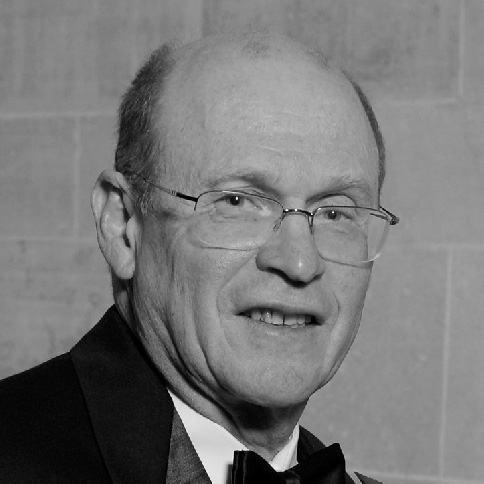
Nahum Sonenberg

Wolf Prize Laureate in Medicine 2014

Nahum Sonenberg


Affiliation at the time of the award:

McGill University, Canada


Award citation:

“for the discovery of the key protein regulators of the protein synthesis machinery”.


Prize share:

Nahum Sonenberg

Gary Ruvkun

Victor Ambros


Prof. Nahum Sonenberg is pioneer and a prominent key leader in the field of protein translation. Many key discoveries that actually generated the whole field came from the laboratory of Prof. Sonenberg. In 1978 Sonenberg discovered the proteins that regulate the most common 5’ “cap” dependent protein synthesis, which is the most common mechanism of protein synthesis. He demonstrated that the mRNA 5′ Cap complex is responsible for the initial stage of protein translation. He discovered eIF4E, the key protein that binds to the mRNA 5’-cap. eIF4E is a subunit of a protein assembly known as eIF4F, which includes eIF4G, a protein scaffold upon which the complex is assembled with eIF4A and RNA helicase. eIF4F is responsible for loading ribosomes onto RNA templates during the initiation of protein translation. Sonenberg deciphered the role of the various proteins, especially helicase, which bind to 5’-cap and scans the mRNA to find the initiation codon. Sonenberg also discovered the cap-independent initiation of translation, known as the IRES mode of initiation of protein synthesis, which continuously gaining more prominence in biology. He demonstrated that certain RNA species are translated by the IRES mechanism and now we know that this mode of translation is highly important for key mRNA species, relevant to stress, cell cycling, apoptosis and survival under stress. Prof. Sonenberg also made the key discoveries linking signal transduction by mitogenic pathways to the protein synthesis machinery, especially their input to the initiation process and their role in proliferation and oncogenesis. Sonenberg showed that mTor kinase regulates eIF4E activity by regulating the phosphorylation of 4E-binding proteins, releasing eIF4E, enhancing protein synthesis and cell proliferation. He showed that over-expression of eIF4E leads to malignant transformation, and is a hallmark in a significant number of human cancers, suggesting that it may become a useful tumor marker. His work also led recently extended to the role of protein translation in memory and synaptic plasticity, opening yet another field in neurobiology, in which protein translation plays a prominent role.

Leif Andersson

Wolf Prize Laureate in Agriculture 2014

Leif Andersson


Affiliation at the time of the award:

Uppsala University, Sweden


Award citation:

“for providing groundbreaking contributions to plant and animal sciences, respectively, by using modern technologies of genomic research”.


Prize share:

Leif Andersson

Jorge Dubcovsky  


Prof. Andersson has led the path in the development of genomic and marker assisted selection as a means to identify superior breeding stock; these advances in livestock selection have replace the more classical phenotypic selection methods and are an essential contribution to sustainable feeding of a growing world population. He is considered to be the world’s leading authority on the evolutionary genetics/genomics of animal domestication and particularly that of the domestic fowl. He was amongst the very first to use RFLP-technology to analyze genetic variation in livestock at the DNA level and to study its impact on economically important livestock traits and has been a forefront leader of animal genetics. One of the central themes of his research has been to identify molecular genetic changes that underlie animal domestication. He was the first to use next generation sequencing to identify a “domestication gene”, and has unraveled the molecular basis of several examples of “variation under domestication” as originally suggested by Darwin.

By studying unique phenotypes accrued following domestication, Prof. Andersson recently identified and characterized several novel and fundamental mechanisms pertaining to muscle physiology, gene regulation and motor coordination; this discovery in horses has important implications for human diseases such as multiple sclerosis.

He has uniquely been elected to three major scientific royal societies for biologists in Sweden (Royal Swedish Society for Agriculture and Forestry, the Royal Swedish Academy of Sciences and the Royal Physiographic Society in Lund). He was recently elected as a Foreign Member of the US National Academy of Sciences.

Jorge Dubcovsky

Wolf Prize Laureate in Agriculture 2014

Jorge Dubcovsky


Affiliation at the time of the award:

University of California Davis, USA


Award citation:

“for providing groundbreaking contributions to plant and animal sciences, respectively, by using modern technologies of genomic research”.


Prize share:

Jorge Dubcovsky  

Leif Andersson


For providing groundbreaking contributions to , by using modern genomic tools, was able to clone important genes in wheat, study their allelic variation and incorporate the best alleles into outstanding wheat varieties. This combined basic and applied approach was able to dramatically improve the nutritional value of wheat, and the impact of the discoveries was increased when they were made available to the scientific community.

The list of traits investigated by Prof. Dubcovsky reveals many genes that have direct effect of wheat yield, such as cold tolerance, grain nutritional value and many more. Impressively, this list includes more than half of the wheat genes cloned worldwide! These achievements are truly impressive when considering the size of the wheat genome, its polyploidy nature and unto fore lack of sequenced genome. To promote the creation of genomic tools for cloning wheat, his group was directly responsible for providing the primary technology to make positional cloning feasible (gene libraries). These libraries were made available worldwide. Currently his laboratory has developed, for the first time, a technology that allows to knock out any wheat gene.

One of Prof. Dubcovsky major scientific contributions has been to discover the genes in wheat governing flowering, their regulation allelic variation and consequently generated an integrated model of flowering regulation in temperate cereals. The genetic markers for the flowering genes are being employed worldwide for breeding programs. From a practical point of view, the most significant contribution of Prof. Dubcovsky has been the discovery of the high-grain protein content gene. Expression or re-introduction of this gene to wheat raises its zinc and protein content by 10-15%. This discovery is of major international impact due to global zinc deficiency and lack of protein in foods for infant nutrition. This discovery and application earned him the “2007 Discovery Award” from the USDA, and the 2009 “Hoagland Award” from the American Society of Plant Biologists.

Gary Ruvkun

Wolf Prize Laureate in Medicine 2014

Gary Ruvkun


Affiliation at the time of the award:

Massachusetts General Hospital, USA

Harvard Medical School, USA


Award citation:

“for The discovery of microRNA as central regulators of gene expression in health and disease”.


Prize share:

Gary Ruvkun

Victor Ambros

Nahum Sonenberg


MicroRNAs were discovered in 1993 by Victor Ambros during a study of the role of the gene lin-14 in the development of C.elegans, in parallel to the demonstration of the Ruvkun group that elements of the lin-4 gene product operate by acting on the 3’UTR of Lin-14, regulating its expression, at the level of RNA. It was indeed found that a short RNA product encoded by the lin-4 gene regulates the expression of the Lin-14 protein. In 2000 Ruvkun discovered the second microRNA characterized: let-7, which repressed lin-41, lin-14, lin-28, lin-42, and daf-12 expression during developmental stage transitions in C. elegans. let-7 was soon found to be conserved in many species, indicating the existence of miRNA as a wider phenomenon. Since 2000, miRNA research has revealed multiple roles in negative regulation (transcript degradation and sequestering, translational suppression) and possible involvement in positive regulation (transcriptional and translational activation) across the animal and plant kingdoms. In plants, miRNAs control the expression of genes encoding transcription factors, stress response proteins, and other proteins that impact the development, growth, and physiology of plants. In the animal kingdom miRNAs are involved in most biological processes, playing a key regulatory role in gene expression in health and disease. . Different sets of expressed miRNAs are found in different cell types and tissues. These small endogenous miRNAs interact with a variety of important genes and play critical roles in a wide range of biological processes, including cell proliferation and differentiation. miRNAs are frequently dysregulated in human diseases including numerous cancers. miRNAs are involved in cancer pathogenesis by regulating oncogenes or tumor suppressor genes. It is therefore anticipated that molecular diagnostics as well as therapies based on miRNA biology will be developed in the future, as is already apparent from the emerging scientific and clinically oriented lliterature.

Chi-huey Wong

Wolf Prize Laureate in Chemistry 2014

Chi-huey Wong


Affiliation at the time of the award:

From Academia Sinica, Taiwan


Award citation:

“for numerous original contributions to the programmable and practical synthesis of complex carbohydrates and glycoproteins”.


Prize share:

None


Dr. Wong has pioneered the development of programmable chemical and enzymatic synthesis methods that enable the previously impossible or infeasible synthesis and study of classes of compounds, especially complex carbohydrates, glycoproteins and related substances, which are vitally important in biology and medicine. His enzymatic strategy coupled with cofactor regeneration elegantly fuses chemistry and biology into a novel, environmentally friendly approach to large-scale and rapid synthesis of complex carbohydrates and glycoproteins. This enzymatic method remains the most practical and efficient method available to date for large-scale synthesis of oligosaccharides. The programmable one-pot synthesis of oligosaccharides originated by his group is the first automated approach to this class of complex molecules. The original methods developed by his group have been used to solve major problems and create new opportunities in carbohydrate chemistry and biology associated with cancer progression, bacterial and viral infection and immunological function, and the work has led to the development of vaccines, therapeutics and glycan microarrays for analysis of protein-carbohydrate interaction. In addition, his fundamental study of glycoprotein folding affected by glycosylation and glycan conformation has laid the framework for much of the current interests in post-translational glycosylation, glycoprotein structural biology and drug discovery.

Robert S. Langer

Wolf Prize Laureate in Chemistry 2013

Robert S. Langer


Affiliation at the time of the award:

M.I.T, USA


Award citation:

“for innovations in polymer chemistry that have had profound impact on medicine, particularly in the areas of drug delivery and tissue engineering”.


Prize share:

None


Robert Langer is primarily responsible for innovations in polymer chemistry that have had profound impact on medicine, particularly in the areas of drug delivery and tissue engineering.

The last 40 years has seen a rapid increase in the availability of sophisticated macromolecular drugs, such as oligopeptides, proteins, polysaccharides, and nucleic acids, with high potency but limited stability, often surviving for only minutes under physiological conditions. The promise of these agents both for biological research and for medical applications – ranging from vaccination to gene therapy to treatment of brain cancer and schizophrenia – was limited by the problem of delivering them intact to the tissues where they were needed, at the proper rate, and over the required period of time, which can range up to many months.

Langer was convinced that it would be possible to design entirely new biodegradable polymers that could meet the simultaneous daunting challenges of protecting a sensitive drug until it was needed, delivering it to the target tissue, and releasing it slowly and steadily over a very long time. It was of course essential that both these new polymers and their degradation products be biocompatible.

After long cycles of fundamental design and experimentation Langer was able to achieve this goal by tailoring new polymers with very low affinity for water that were joined through links that could be cleaved by water, but not by enzymes whose activity would vary from patient to patient and over time in an individual patient. Low water affinity serves both to protect the macromolecular cargo from degradation and to insure surface erosion of the particle at a rate that can be programmed by its degree of water affinity and by its shape. He was successful in creating a new class of polyanhydrides with aromatic heads and aliphatic tails, in developing the first procedures for synthesizing these polymers, and in shaping polymer-drug aggregates to achieve appropriate therapeutic deliveries. For example, Lupron DepotⓇ is injected as a suspension of tiny particles to achieve steady delivery of hormone analogues for up to four months in treating prostate cancer and endometriosis, while GliadelⓇ wafers are surgically implanted at the site of a brain tumor for long-term, short-range delivery of a highly toxic drug.

Langer has built on this success to design and implement polymeric drug delivery systems that effect controlled drug release in response to magnetic, ultrasonic, or biological stimuli.

In addition to his pioneering work on designing polymers for drug delivery Langer has been the leader in designing bioabsorbable polymers to serve as scaffolds for holding mammalian cells in place during tissue reconstruction. This work led to the first “artificial skin” based on synthetic polymers that was approved by the U.S. Food and Drug Administration

Peter Zoller

Wolf Prize Laureate in Physics 2013

Peter Zoller


Affiliation at the time of the award:

Institute for Quantum Optics and Quantum Information, Austria


Award citation:

“for groundbreaking theoretical contributions to quantum information processing, quantum optics and the physics of quantum gases”.


Prize share:

Peter Zoller

Juan Ignacio Cirac 


Peter Zoller and Ignacio Cirac are undoubtedly recognized as one of the most prominent theorists in quantum optics, quantum information science and the theory of quantum gases. Their impact on these fields of research cannot be overestimated and is outstanding by all means used to evaluate them.

Among their numerous common works, two specific works stand alone and opened new fields of research. In 1995, Cirac and Zoller proposed a model for a quantum computer, which could be practically implemented with the help of trapped ions. The very concrete nature of their proposal led numerous groups worldwide to successful experiments and has inspired many researchers both theorists and experimentalists. Such a quantum computer would be able to solve problems currently beyond the abilities of classical computers, such as the factorization of large numbers, which currently requires exponentially large computing time.

Their second outstanding contribution came as an outcome of the realization of gaseous Bose-Einstein condensates. They proposed to use such cold atoms as a general versatile toolbox to probe new regimes of many-body physics and to simulate condensed matter problems such as strongly correlated electronic systems. In their most famous work, Cirac and Zoller showed that an optical lattice can simulate a tight binding regime where the on-site interaction energy becomes comparable to the tunneling energy between neighboring sites. This paper had a tremendous impact and was soon followed by experimental realization of this quantum phase transition from a superfluid to a Mott insulator. Since then, a whole new interdisciplinary community has emerged exploring other condensed matter problems such as e.g. superconductivity, quantum magnetism, Quantum Hall effects, and Anderson localization. There is no doubt that these quantum simulators using cold atoms, will and already have had a huge impact on the whole fields of quantum physics, condensed matter physics and material science.

Michael Artin

Wolf Prize Laureate in Mathematics 2013

Michael Artin


Affiliation at the time of the award:

M.I.T, USA


Award citation:

“for fundamental contributions to algebraic geometry, both commutative and non-commutative”.


Prize share:

Michael Artin

George D. Mostow 


Michael Artin is one of the main architects of modern algebraic geometry. His fundamental contributions encompass a bewildering number of areas in this field.
To begin with, the theory of étale cohomology was introduced by Michael Artin jointly with Alexander Grothendieck. Their vision resulted in the creation of one of the essential tools of modern algebraic geometry.

In a remarkable and fundamental paper, Artin and Swinnerton-Dyer prove the Shafarevich-Tate conjecture for a K3 surface which is a pencil of elliptic curves over a finite field. In a very original paper Artin and Swinerton-Dyer proved the conjecture for an elliptic K3 surface.

He also collaborated with Barry Mazur to define étale homotopy- another important tool in algebraic geometry- and more generally to apply ideas from algebraic geometry to the study of diffeomorphisms of compact manifold.

We owe to Michael Artin, in large part, also the introduction of algebraic spaces and algebraic stacks. These objects form the correct category in which to perform most algebro-geometrical constructions, and this category is ubiquitous in the theory of moduli and in modern intersection theory. Artin discovered a simple set of conditions for a functor to be represented by an algebraic space. His ”Approximation Theorem” and his ”Existence Theorem” are the starting points of the modern study of moduli problems Artin’s contributions to the theory of surface singularities are of fundamental importance. In this theory he introduced several concepts that immediately became seminal to the field, such as the concepts of rational singularity and of fundamental cycle.

In yet another example of the sheer originality of his thinking, Artin broadened his reach to lay rigorous foundations to deformation theory. This is one of the main tools of classical algebraic geometry, which is the basis of the local theory of moduli of algebraic varieties.

Finally, his contribution to non-commutative algebra has been enormous. The entire subject changed after Artin’s introduction of algebro-geometrical methods in this field. His characterization of Azumaya algebras in terms of polynomial identities, which is the content of the Artin-Procesi theorem, is one of the cornerstones in non-commutative algebra. The Artin-Stafford theorem stating that every integral projective curve is commutative is one of the most important achievements in non-commutative algebraic geometry.

Artin’s mathematical accomplishments are astonishing for their depth and their scope . He is one of the great geometers of the 20th century.

Juan Ignacio Cirac

Wolf Prize Laureate in Physics 2013

Juan Ignacio Cirac


Affiliation at the time of the award:

Max Planck Institute of Quantum Optics, Germany


Award citation:

“for groundbreaking theoretical contributions to quantum information processing, quantum optics and the physics of quantum gases”.


Prize share:

Juan Ignacio Cirac 

Peter Zoller


Juan Ignacio Cirac and Peter Zoller are undoubtedly recognized as one of the most prominent theorists in quantum optics, quantum information science and the theory of quantum gases. Their impact on these fields of research cannot be overestimated and is outstanding by all means used to evaluate them.

Among their numerous common works, two specific works stand alone and opened new fields of research. In 1995, Cirac and Zoller proposed a model for a quantum computer, which could be practically implemented with the help of trapped ions. The very concrete nature of their proposal led numerous groups worldwide to successful experiments and has inspired many researchers both theorists and experimentalists. Such a quantum computer would be able to solve problems currently beyond the abilities of classical computers, such as the factorization of large numbers, which currently requires exponentially large computing time.

Their second outstanding contribution came as an outcome of the realization of gaseous Bose-Einstein condensates. They proposed to use such cold atoms as a general versatile toolbox to probe new regimes of many-body physics and to simulate condensed matter problems such as strongly correlated electronic systems. In their most famous work, Cirac and Zoller showed that an optical lattice can simulate a tight binding regime where the on-site interaction energy becomes comparable to the tunneling energy between neighboring sites. This paper had a tremendous impact and was soon followed by experimental realization of this quantum phase transition from a superfluid to a Mott insulator. Since then, a whole new interdisciplinary community has emerged exploring other condensed matter problems such as e.g. superconductivity, quantum magnetism, Quantum Hall effects, and Anderson localization. There is no doubt that these quantum simulators using cold atoms, will and already have had a huge impact on the whole fields of quantum physics, condensed matter physics and material science.