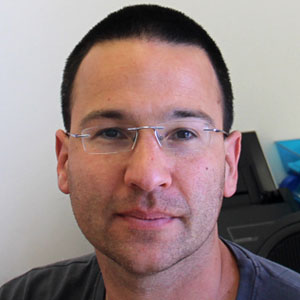
Oded Rechavi

Krill Prize 2015
Tel Aviv University

Oded Rechavi

Research Topic:
Epigenetic inheritance and its effect on the process of evolution

We use the relative simplicity and genetic tractability of different model organisms, mostly the nematode C.elegans, to discover novel biological principles by which RNA affects formation and inheritance of complex traits, and to study memory encoding in the nervous system. In general, the human genome project has failed so far to revolutionize diagnosis (Danchin et al. 2011). While linking rare Mendelian traits to specific sequence variations has been accelerated, the genetic basis of many common diseases is not understood despite the undertaking of many genome wide association studies. It appears that our current genetic models fall short of faithfully explaining the inheritance of most complex traits. The inheritance of acquired characteristics is a topic of long-standing interest and controversy. While some of the classic Lamarckian ideas have been dismissed (Weismann 1889), more recent studies suggest that certain traits acquired by an animal during its lifetime may be transmitted to next generations. Using a viral infection model I discovered in my post doc that C.elegans inherit acquired antiviral resistance (in a “Lamarckian” fashion) and also deciphered the molecular mechanisms that underlie this inheritance (Rechavi al, Cell 2011). Such unusual genetics occurs through transgenerational transmission of small RNAs, which mediate RNA interference (RNAi). My study showed that antiviral RNAs (viRNAs), which protect the worm from viral propagation, can be transmitted from the soma to the germline and pass down to many ensuing generations in a non- Mendelian manner, in the absence of their DNA template, and thus protect (“vaccinate”) RNAi-deficient progeny from viral propagation. Most genes are regulated by different endogenous regulatory small RNA species (Salmena et al.
2011), and therefore small RNA inheritance might affect the inheritance of many traits. Indeed, in my new lab in Tel Aviv we recently found that starvation-induced developmental arrest produces a transgenerational signal in the form of small RNAs, which prolongs for multiple generations, regulates nutrition-related genes, and as a result extends the progeny’s lifespan (Cell, 2014). We discovered that the RNA binding protein RDE-4 is required for the production of the implicated small RNAs in the starved eneration and that the argonaute protein HRDE-1 (heritable RNAi deficient) is required for inheritance of these small RNAs. In the past we identified RRF-1 as the RNA dependent RNA polymerase that amplifies heritable small RNAs in every inheriting generation to prevent dilution of the heritable small RNA response. We are currently characterizing additional components in the RNA inheritance machinery (papers in preparation), define additional environmental conditions that produce heritable effects (several papers in preparation), and also extend our findings to additional organisms (protists, daphnia and others). In addition, we are preforming lab evolution experiments in a number of species to catch “in the act” the long-term effects of heritable RNAi. Also, we define the genetic boundaries between interacting organisms, or the conditions that allow breaching of such barriers. For example, we recently found that piRNAs, unlike other genes, cannot be cloned in E.coli, an organism on which C.elegans worms feeds in the lab, which is capable of transmitting small RNAs to C.elegans (Frontiers in genetics, 2014). We examine the intriguing possibility that worms and bacteria naturally exchange small RNAs between them both as a defense mechanism, and as a form of interspecies communication. The worm’s immune system is coordinated by its nervous system (Kao et al, 2008), therefore, we examine whether systemic spreading of small RNAs is involved in such coordination, and if so, whether such regulation transmits transgenerationally. To
study these complex phenomena, we developed novel methods for single-cell transcriptome profiling, and functional assays for dissecting neuronal circuits. We previously showed that small RNAs (Rechavi et al, 2009 Genes & Development) and
other macromolecules (Rechavi et al, 2010 Nature Methods) are exchanged between human immune cells when immunological synapses are transiently formed. Therefore, transgenerational inheritance of acquired traits may be widely conserved

Alex Retzker

Krill Prize 2015
Hebrew University

Alex Retzker

Research Topic:
Quantum Technologies

My current research interests are focused in the fields of quantum optics and quantum technologies. In particular, I am interested in theory which is strongly connected to experiments and I am actively pursuing collaborations with experimentalists.

This relation between theory and experiment manifests itself in dealing with theoretical schemes which help in realising quantum information objectives, like quantum processing and quantum simulation. Moreover, I am interested in applying quantum information ideas to the benefit of other areas of physics such as novel ideas for quantum sensing, to name one example. The field of quantum technologies has dramatically developed in recent years both theoretically and experimentally and the scope of quantum technology exploration has naturally extended to many areas of physics, including atomic physics, condensed-matter and quantum field theory. I have worked on several of these areas of quantum technologies, specifically, NV centres in diamond, linear ion traps, BECs, condensed matter systems and entanglement in quantum field theory. I used tools and concepts from quantum entanglement to study the structure of the vacuum state of quantum field theories, to obtain a better understanding of condensed matter properties and to design novel laser cooling schemes and quantum sensing protocols. I have always been driven by realistic experimental conditions, and this has motivated my collaborations with experimentalists. These collaborations have led to the proposal of novel schemes which many of them are now being realised by experimental teams. In the following I present briefly the current state of my research.

Quantum sensing—The ability to sense and image minute magnetic and electric fields with atomic scale resolution is one of the major challenges of modern science and technology and may have profound impact on medicine, biology, chemistry, physics and material science. The basic units of magnetic moments in nature are the dipole moments associated with the spin of nuclei and single electrons. Large part of my research is aimed at detecting these single spins at ambient conditions with the goal to revolutionise the state of the art to create novel sensing technologies that provide unprecedented access and insight into the structure and function of individual bio-molecules under physiological conditions and apply these to the observation of biological processes down to the quantum level and with atomic resolution. The proposed spin-microscopy can be used to understand and appreciate the molecular structure and dynamics of individual specimens under physiological conditions. The ability to observe single molecules overcomes a key limitation of liquid state NMR and X-Ray based structure determinationprotocols. In order to achieve this I am concentrating on the NV centre in diamond which is the most promising candidate to realise this goal. The broad challenges that this ambitious programme presents must be tackled by scientists with broad expertise and thus I am collaborating with many groups worldwide. In the past year, since I had arrived in Jerusalem, I have recruited seven research students and postdocs when four of them are working full time on this project and the other three invest part of their time on these goals. I anticipate that in the next few years a large part of my group will work on this subject. Quantum simulations—Various systems have been proposed for the realisation of a quantum computer, including trappedions, optical lattices, linear optics and solid state devices. However, despite enormous experimental progress, due to the high degree of precision that is required, the realisation of a large scale quantum computer is still not within reach. Instead, the realisation of quantum simulators which are much less demanding have recently become a target of growing interest. I have helped to drive the development of this growing field with several significant contributions. Since I came to Jerusalem, in the past year, I have had a few contributions in the field, mostly on the subjects of the study of nonlinear physics and topological defects in particular, and in the study of frustrated spin models. I have concentrated on NV centres in diamond and trappedions. Despite the fact that these are recent proposals, many of these contributions were realised and others are being currently pursued. Two members of my group are working on this subject. Robust operations — In the past two years I got interested in the field of dynamical decoupling and error correction, in particular, in the utilisation of these methods for the benefit of quantum computing and quantum sensing. In the quantum computing part I had a few contributions which had drawn a lot of interest by the ion trap and NV community. In particular the ion trap proposal was realised by the group of Dave Wineland, the last year Nobel laureate, who realised one of my proposals for a robust quantum gate and has achieved a record breaking fidelity. I believe that this novel gate scheme would be used by many other groups in the next few years. Currently, one member of my group is working on this subject.

Michael Schapira

Krill Prize 2015
Hebrew Univ.

Michael Schapira

Research Topic:
Improving the Internet Infrastructure

Despite the crucial societal role of the Internet, the core Internet infrastructure, i.e., the protocols that handle the fundamental networking tasks such as routing, congestion control, etc. (TCP/IP, DNS,BGP), has remained essentially stagnant for over two decades. Consequently, today’s Internet often fails to cope gracefully with modern-day challenges, e.g., alarming security vulnerabilities, exponential growth in scale and complexity, increasingly heavy traffic loads, frequent equipment failures, and more. My research aims to (1) understand the existing Internet infrastructure and the fundamental tradeoffs that should guide the design of the future Internet, and (2) “fix” today’s infrastructure and design lasting, long-term solutions. To accomplish this, my research
• takes a principled approach, drawing inspiration from theory (e.g., algorithmics, distributed computing, learning, microeconomics) in search of practical approaches that go beyond context-specific, ad hoc solutions.
• breaks traditional disciplinary barriers (both within and without Computer Science) to
tackle the above challenges from a holistic point of view.

I next briefly discuss several of my research agendas along the above lines.
New Paradigms for Securing the Internet. The Internet’s core protocols were not designed with security in mind and are, consequently, alarmingly vulnerable to attacks. While secure versions of these protocols were proposed over a decade ago, adoption is either not even on the horizon or frustratingly slow. A particularly stubborn problem is that of securing routing between the smaller networks that make up the Internet (e.g., Google, AT&T, Hebrew University, etc.). My research focuses on eliminating operational, political and economic obstacles to securing the Internet infrastructure and, in particular, on exploring new paradigms for securing Internet routing. New Architectures for High-Performance Networks. The rapid growth of Internet services (from e-mail to social networks and streaming media) is placing tremendous demands on communication networks. To meet this challenge, my research aims to devise high-performance network architectures and, in particular, new network topologies and new protocols for routing, congestion control, traffic engineering, and more. To accomplish this, I strive to turn deep ideas from theory (graph theory, algorithmics and computational learning theory) into an operational reality. Beyond the important practical implications of this research direction, it also motivates new theoretical questions. New Horizons. Software-Defined Networking (SDN) is a new paradigm that is revolutionizing networking, fueled by adoption by major technology companies, e.g., Google and Amazon. SDN enables logically-centralized control over network devices through software that operates independently from the network hardware. My research explores exciting SDN-motivated questions regarding the “right” abstractions for “programming networks” and how to defend the network against harmful SDN programs. Answering these questions involves exploring the interface of traditional networking research with other disciplines in Computer Science, e.g., programming languages, software analysis and databases.

Sharon Ruthstein

Krill Prize 2015
Bar-Ilan University

Sharon Ruthstein

Research Topic:
Exploring the human copper transfer mechanism by electron paramagnetic resonance spectroscopy

Sharon Ruthstein’s research aims to shed light on biological pathways that involve metal ions by using Electron Paramagnetic Resonance Spectroscopy (EPR). More than 30% of all proteins in the cell exploit one or more metals to perform their specific functions, and over 40% of all enzymes contain metals. Metals are commonly found as natural constituents of proteins; however, many metal ions can be toxic when free in biological fluids. Hence, humans and microorganisms have evolved a regulatory machinery to acquire, utilize traffic, detoxify, and otherwise manage the intracellular and extracellular concentrations and types of metal ions. Despite the high regulation of metal ions in the human body, diseases such as Menkes, Wilson, Alzheimer’s, Parkinson’s and Prion’s have been linked with metal binding to proteins. It is therefore vitally important to understand each step of the copper cycle, in order to build a fundamental understanding of sources of the disruption of copper homeostasis that can lead eventually to neurological diseases and disorders. Dr. Ruthstein’s lab is looking into some of the least understood biological processes that are related to metal ion transport and intracellular distribution.

Some of the ongoing projects in her lab are:
(i) Explore metal ion import and export mechanism of the human copper transporter CTR1, from the blood carrier copper protein, albumin, through the CTR1, and to the metallochaperone Atox1.
(ii) Help understand metal binding mechanism of various metal sensors in bacterial cells (CueR and CsoR systems), in order to shed light on the metal regulatory machinery of the bacteria.
(iii) Explore the role of the copper efflux system in E.coli, in particular the Cus system.
(iv) Characterize the role of copper and mutations on the aggregation and folding of proteins, in order to illuminate the microscopic origins of neurological diseases.
To comprehend such processes it is necessary to be sensitive to the structural changes that occur in the protein upon metal binding. The main biophysical tool that is used in the lab of Dr. Ruthstein’s lab is pulsed electron Paramagnetic Resonance (EPR) spectroscopy. The power of EPR lies in the sensitivity to both atomic level changes and nanoscale fluctuations. EPR can characterize properties such as redox state and ligand geometry for different functional states of the protein. The data collected by the EPR experiments is complement by various other biophysical and biochemical approaches, as well as computational methods, such as: CD, NMR, run-off transcription assays, ultra-centrifuge experiments, ITC, and MD simulations, to provide a complete picture on the cellular copper cycle. Dr. Ruthstein’s lab also has several fruitful collaborations in Israel and abroad. One collaboration is with Prof. Hamza (University of Maryland) where the heme’s transfer mechanism by the metallochaperone, HRG-3, in c.elegans is being explored. Additional collaboration is with the lab of Prof. Haim Cohen, Ariel University/BGU. In this collaboration, EPR spectroscopy is used together with other physical methods to characterize the surface radical’s nature in coals. It was revealed that several radical species are observed, and their nature is dependent on the coal rank, and micropores surface area. This work was summarized in three PCCP papers, and the experimental work was published in JoVE. Other collaborations are together with Prof. Lellouche and Dr. Goobes on characterizing the oxidation process of graphene’s surfaces. Additional collaboration is together with Dr. Lior Elbaz (BIU). In this study, Dr. Ruthstein is studying at the molecular level the coordination of heme molecules on graphene surfaces, as well as the interaction of the studied graphene surfaces with oxygen molecules.

Or Dunkelman

Krill Prize 2014
Haifa University

Dr. Or Dunkelman (ד”ר אור דונקלמן)
Research Interests:
Crypanalysis of symmetric-Key Primitives

Dr. Dunkelman’s research is in the field of cryptanalysis of symmetric-key primitives. Such primitives, like block ciphers, stream ciphers, and hash functions, are key components in computer security solutions. Given their wide deployment and usage, and the multitude of schemes, systems, and protocols that rely on their security, it is essential to assess the security of such primitives on a continuous basis, to ensure that only secure primitives are used. As part of his research, Dr. Dunkelman analyzes these primitives, trying to identify weaknesses in their design. This is done by applying existing cryptanalytic techniques to the various primitives. Once a weakness is identified (by a successful attack), measures to change the systems using the affected primitive can be taken, thus improving the overall security of systems which rely on cryptography. In addition to the analysis of specific primitives, Dr. Dunkelman works on developing new cryptanalytic techniques. Such new techniques allow better assessment and better understanding of the security offered by primitives, and contribute to securing communications infrastructure such as the Internet.

Dr. Dunkelman’s research plan is to continue pursuing the analysis of symmetric-key primitives. At the same time, the final goal will be shifted from just breaking the primitive towards studying the delicate interaction between the primitive studied, and the protocol (or system) that uses it (i.e., the effects of the break on the protocol/system).Further improving the state of the art in computer security, Dr. Dunkelman is working on developing new symmetric-key primitives, which can address specific needs. This line of research takes into account both the security of the primitive and the efficiency of the proposed primitive. In many cases, the system forces some resource-constraint on the primitive (e.g., limit on the computation time, the size of the circuit, or the energy consumption). Balancing these two (somewhat) contradictory requirements is an ongoing research problem that Dr. Dunkelman is working on, and will continue to pursue.

Finally, the last research direction which interests Dr. Dunkelman at the moment is the issue of privacy in the digital world. The recent advances in computing and storage technologies carry with them many advantages, but a few disadvantages as well. One of these disadvantages is the deteriorating state of privacy online. For example, today it is extremely easy to track an individual’s activity with very little effort. States can (and some do) monitor all their citizens’ online activity, thus realizing the apocalyptic world predicted by Orwell in “1984”. This research direction deals with devising new methods to offer privacy, or analyze existing solutions to improve their applicability. As part of this research line, Dr. Dunkelman (along with his coauthor) has devised a secure and private method to realize biometric databases, such as the one planned in the state of Israel. This research direction will be further pursued in the upcoming few years, to assure that our communications infrastructure is as secure as it offers privacy to its users.

Irit Gat-Viks

Krill Prize 2014
Tel Aviv University

Dr. Irit Gat-Viks (ד”ר עירית גת-ויקס)
Research Interests: Computation Genetics

The genetic, molecular and cellular mechanisms underlying inter-individual variations in complex  physiological responses remain largely unknown despite their enormous medical implications. Past  quantitative genetic studies have typically connected genetic variants with physiological phenotypes,  ignoring the intermediate molecular and cellular mechanisms. Recent advances in genomic technologies  create extraordinary opportunities to systematically decipher these mechanisms. My ultimate goal is to decipher and characterize the regulatory mechanisms underlying variation in susceptibility to complex diseases. My research is focused on immune response variability and its influence on susceptibility to infectious diseases of bacterial, fungal or viral origin. My team investigates whether and  how variability in gene expression translates genetic and environmental variations into changes in activity  of immune cells and in susceptibility to disease agents.  My main working hypothesis is that the regulatory mechanisms underlying disease may reveal themselves when we combine genetics with genomic information across diverse biological contexts, including various cell types, tissues, extracellular stimulations (pathogens) and time points. The  main challenge comes from the computational problems involved in developing algorithms that are scalable  for a large number of genetic variants, genes and contexts across a large cohort of individuals. My group addresses this challenge by developing novel sophisticated algorithms to combine multi-dimensional genomic data with genetic studies in a systematic, unbiased manner. For example, we have developed a  scalable algorithm for combining genetics with genome-wide gene expression time-course data of up to  several hundreds of time points29*. We have also created a computational framework for investigating cell- specific inherited variations across hundreds of immune cell types simultaneously26,32. In addition, we have  devised a probabilistic algorithm for modeling patient-specific regulatory circuits based on the integration  of genetic information with genomic input across a variety of pathogenic stimulations28,31.  We focus on several selected infectious diseases caused by different types of microorganisms.  For viruses, we are currently studying a combination of (hundreds of) cell types, tissues, time courses and  genetic backgrounds, following exposure to the Influenza virus. For fungi, we are studying disease  mechanisms using gene expression measurements of Aspergillus-infected spleen and liver in mice. For  bacteria, we are studying inherited variations in primary bone marrow-derived immune dendritic cells  following exposure to both Gram+ and Gram− bacterial components. By combining enetics with multiple- context genomics and advanced statistical algorithms, we hope to understand the critical mechanisms  leading to disease susceptibility. The immediate results of our research will directly impact our  understanding of Influenza and Aspergillus pathogenesis in mammals. The methodologies we establish will  provide a new paradigm for studying the genetic, molecular and immune basis of susceptibility to infection  or immune disorders.

Lilach Gilboa

Krill Prize 2014
Weizmann Institute

Dr. Lilach Gilboa (ד”ר לילך גלבוע)
Research Interests:
Stem Cell and Developmental Biology

Adult stem cells support regeneration of many tissues in resting conditions and following injury. This ability is tightly connected to cues these cells receive from their environment (niche). Understanding how stem cell units (stem cells within their niches) form and how they function is imperative to our understanding of organismal biology and for rational design of strategies for regenerative interventions. Our lab uses the ovary of Drosophila melanogaster as a model to find novel genes and biological principles that underlie the formation and function of germ line stem cells (GSCs). Our findings bear direct implications to mammalian regeneration and adult stem cell function, respectively. We are particularly interested in co-regulation of niche formation with GSC establishment and in physiological inputs into the process of organogenesis. Our work thus far suggests two important biological principles: First: the development of niche and GSC precursors is co-regulated such that the numerical ratios and the timing of differentiation of each cell type can be adjusted to make the appropriate stem cell unit numbers. Second, that stem cell unit formation involves not only local signals, but is orchestrated by hormones. This allows gonadogenesis to be coordinated with other developing organs and with external conditions.

1. Hormonal regulation of gonadoenesis. We discovered that receptors for the hormone ecdysone act as a switch between proliferation and differentiation of both niche and GSC precursors. This finding (published in PLoS Biology) exemplified for the first time co-formation of niches and stem cells. It provided a framework for understanding not only lineage differentiation within the ovary, but how it is united with proliferation. It therefore provides a chance to understand size control in organs that contain more than one cell type as well as stem cell unit formation. The major target of ecdysone in the ovary is the transcription factor Broad. Current work in the lab concentrates on additional regulators of Broad expression, and on its target genes, which direct stem cell unit differentiation. Two additional papers that will be submitted shortly provide deeper understanding of coordinated stem cell unit formation. The first (Lengil et al., in-prep) shows that following activation of the broad locus by ecdysone, the rate of Broad accumulation depends on Activin signaling. Activin also controls proliferation independently of ecdysone, thus providing another integration point for differentiation and proliferation. The second paper (Hitrik et al., in-prep) introduces the transcription factor Combgap as a selector between different broad isoforms and provides data showing it acts as a tethering protein between promoters and enhancers.

2. Nutritional regulation of germ cell biology. We have recently shown that nutritional input via Tor and InR signaling also serves to coordinate stem cell unit formation (Development, 2013). One major finding that arises from this study is that InR (but not Tor) signaling non-autonomously controls germ cell differentiation. Thus, nutritional cues can integrate on the major axis of GSC maintenance and differentiation. While performing experiments for this study we discovered a trans-generational effect of starvation on gonad formation. We are now studying the epigenetic mechanisms that underlie this effect.

3. Soma-germ line interactions and GSC differentiation. We recently submitted a paper (Maimon et al., Submitted) showing that Stat signaling, which is a known GSC maintenance signal, is also required to differentiate them. This is a first instance where the same signal is shown to serve such opposite ends. Molecularly, we show that the chromatin binding-protein Without Children (Woc) cooperates with Stat to up-regulate Zfh-1, which, in turn, allows somatic cells to contact germ cells. The Stat-Woc-Zfh-1 module is required for soma-germ line interactions throughout the animal’s life time, explaining the seemingly opposite requirement for Stat in GSC maintenance (attachment to the niche) and differentiation (attachment to support cells controlling differentiation). In a continuation of this study we examine the role of Stat and MAPK signaling in promoting motility in somatic support cells. Both pathways are continually active in these cells, mimicking certain motile metastases that also depend on constant activation of Stat and MAPK in order to spread.

4. Finding novel genes that control GSC biology. The lab has undertaken two types of screens. In collaboration with Trudy Mackay, at the North Carolina State University, we initiated a genome-wide association study of naturally variating fly lines in order to find novel quantitative trait loci that affect niche formation. Based on previous experience, we expect to find many novel genes by this genetic approach. In addition, we are systemically mutating germ cell specific cell surface molecules in order to find how germ cells perceive somatic cues that direct them to proliferate, be maintained or differentiate.

Eran Bouchbinder

Krill Prize 2014
Weizmann Institute

Dr. Eran Bouchbinder (ד”ר ערן בוכבינדר)
Research Interests:
Physics of comple out-of-equilibrium systems, materials physics and mechanics.

The Bouchbinder group is a theoretical condensed-matter and materials physics group interested in non-equilibrium, driven, phenomena related to the deformation, flow and failure of materials and interfaces. Our research program addresses some long-standing problems in modern solid mechanics, materials science, biophysics and geophysics from statistical and condensed-matter physics perspectives. The physical problems of interest are typically characterized by a rather unique coupling between widely separated time and length scales, where the major intellectual challenge is to build conceptual and mathematical bridges that allow to understand how collective, complex, microscopic processes give rise to the emergence of a wealth of macroscopic behaviors. Examples include the nearly singular localized region near the tip of a crack that controls the strength and structural integrity of a macroscopic piece of material, the accumulation of intermittent, inhomogeneous, microscopic particle rearrangements in a disordered/glassy solid that determines its macroscopic plastic response, the collective dynamics of micron-scale contact asperities that control the physics of spatially extended frictional interfaces and molecular mechanisms that control the large scale cellular response to the mechanical environment. Our ultimate goal is to develop quantitatively predictive continuum theories that can be used in a wide range of problems and to elucidate basic physical questions related to them.

While our basic motivation is that of theoretical physics, thriving to obtain a fundamental understanding of generic phenomena, we rarely study toy models. Instead, we insist on closely looking at extensive experimental data and realistic computer simulations, with the aim of developing quantitative continuum level understanding of the phenomena of interest and generating testable predictions. This entails close collaborations with experimental and simulational groups, which complement and greatly enrich our theoretical efforts. In the last few years we made several contributions to the theory of dynamic fracture, non-equilibrium thermodynamics of driven solids, the theory of plasticity, the theory of sliding friction and the theory of cellular mechanosensitivity. The main achievements include, among others, a basic understanding of a rapid fracture instability as linked to a new intrinsic length scale associated with near crack tip nonlinearities, developing a unified framework for understanding the linear response of soft and hard glassy materials, a novel prediction of a ductile-to-brittle transition in metallic glasses based on our effective temperature thermodynamic theory, suggesting a novel explanation of the existence of slow sliding modes at frictional interfaces and a novel approach to cell reorientation dynamics.

Ongoing research spans a broad range of projects and collaborative efforts (national and international, including theoretical, experimental and computational groups), expanding already developed topics in the group and exploring new research directions, such as dislocation-mediated crystal plasticity, the mechanics of nanocomposite materials and cell mechanics. Making theoretical progress in all of these problems will lead to a better understanding of natural/existing manmade materials and potentially facilitate the quest for new materials, a major issue of prime scientific, technological and economic importance.