

Moran Bercovici
Krill Prize 2015
Technion
Moran Bercovici
Technion – Israel Institute of Technology
Research Topic:
Microfluidic devices for enhanced
biomolecular diagnostics
Krill Prize 2015
Technion
Moran Bercovici
Technion – Israel Institute of Technology
Research Topic:
Microfluidic devices for enhanced
biomolecular diagnostics


Krill Prize 2014
Haifa University
Dr. Or Dunkelman (ד”ר אור דונקלמן)
Research Interests:
Crypanalysis of symmetric-Key Primitives
Dr. Dunkelman’s research is in the field of cryptanalysis of symmetric-key primitives. Such primitives, like block ciphers, stream ciphers, and hash functions, are key components in computer security solutions. Given their wide deployment and usage, and the multitude of schemes, systems, and protocols that rely on their security, it is essential to assess the security of such primitives on a continuous basis, to ensure that only secure primitives are used. As part of his research, Dr. Dunkelman analyzes these primitives, trying to identify weaknesses in their design. This is done by applying existing cryptanalytic techniques to the various primitives. Once a weakness is identified (by a successful attack), measures to change the systems using the affected primitive can be taken, thus improving the overall security of systems which rely on cryptography. In addition to the analysis of specific primitives, Dr. Dunkelman works on developing new cryptanalytic techniques. Such new techniques allow better assessment and better understanding of the security offered by primitives, and contribute to securing communications infrastructure such as the Internet.
Dr. Dunkelman’s research plan is to continue pursuing the analysis of symmetric-key primitives. At the same time, the final goal will be shifted from just breaking the primitive towards studying the delicate interaction between the primitive studied, and the protocol (or system) that uses it (i.e., the effects of the break on the protocol/system).Further improving the state of the art in computer security, Dr. Dunkelman is working on developing new symmetric-key primitives, which can address specific needs. This line of research takes into account both the security of the primitive and the efficiency of the proposed primitive. In many cases, the system forces some resource-constraint on the primitive (e.g., limit on the computation time, the size of the circuit, or the energy consumption). Balancing these two (somewhat) contradictory requirements is an ongoing research problem that Dr. Dunkelman is working on, and will continue to pursue.
Finally, the last research direction which interests Dr. Dunkelman at the moment is the issue of privacy in the digital world. The recent advances in computing and storage technologies carry with them many advantages, but a few disadvantages as well. One of these disadvantages is the deteriorating state of privacy online. For example, today it is extremely easy to track an individual’s activity with very little effort. States can (and some do) monitor all their citizens’ online activity, thus realizing the apocalyptic world predicted by Orwell in “1984”. This research direction deals with devising new methods to offer privacy, or analyze existing solutions to improve their applicability. As part of this research line, Dr. Dunkelman (along with his coauthor) has devised a secure and private method to realize biometric databases, such as the one planned in the state of Israel. This research direction will be further pursued in the upcoming few years, to assure that our communications infrastructure is as secure as it offers privacy to its users.


Krill Prize 2014
Tel Aviv University
Dr. Irit Gat-Viks (ד”ר עירית גת-ויקס)
Research Interests: Computation Genetics
The genetic, molecular and cellular mechanisms underlying inter-individual variations in complex physiological responses remain largely unknown despite their enormous medical implications. Past quantitative genetic studies have typically connected genetic variants with physiological phenotypes, ignoring the intermediate molecular and cellular mechanisms. Recent advances in genomic technologies create extraordinary opportunities to systematically decipher these mechanisms. My ultimate goal is to decipher and characterize the regulatory mechanisms underlying variation in susceptibility to complex diseases. My research is focused on immune response variability and its influence on susceptibility to infectious diseases of bacterial, fungal or viral origin. My team investigates whether and how variability in gene expression translates genetic and environmental variations into changes in activity of immune cells and in susceptibility to disease agents. My main working hypothesis is that the regulatory mechanisms underlying disease may reveal themselves when we combine genetics with genomic information across diverse biological contexts, including various cell types, tissues, extracellular stimulations (pathogens) and time points. The main challenge comes from the computational problems involved in developing algorithms that are scalable for a large number of genetic variants, genes and contexts across a large cohort of individuals. My group addresses this challenge by developing novel sophisticated algorithms to combine multi-dimensional genomic data with genetic studies in a systematic, unbiased manner. For example, we have developed a scalable algorithm for combining genetics with genome-wide gene expression time-course data of up to several hundreds of time points29*. We have also created a computational framework for investigating cell- specific inherited variations across hundreds of immune cell types simultaneously26,32. In addition, we have devised a probabilistic algorithm for modeling patient-specific regulatory circuits based on the integration of genetic information with genomic input across a variety of pathogenic stimulations28,31. We focus on several selected infectious diseases caused by different types of microorganisms. For viruses, we are currently studying a combination of (hundreds of) cell types, tissues, time courses and genetic backgrounds, following exposure to the Influenza virus. For fungi, we are studying disease mechanisms using gene expression measurements of Aspergillus-infected spleen and liver in mice. For bacteria, we are studying inherited variations in primary bone marrow-derived immune dendritic cells following exposure to both Gram+ and Gram− bacterial components. By combining enetics with multiple- context genomics and advanced statistical algorithms, we hope to understand the critical mechanisms leading to disease susceptibility. The immediate results of our research will directly impact our understanding of Influenza and Aspergillus pathogenesis in mammals. The methodologies we establish will provide a new paradigm for studying the genetic, molecular and immune basis of susceptibility to infection or immune disorders.


Krill Prize 2014
Weizmann Institute
Dr. Lilach Gilboa (ד”ר לילך גלבוע)
Research Interests:
Stem Cell and Developmental Biology
Adult stem cells support regeneration of many tissues in resting conditions and following injury. This ability is tightly connected to cues these cells receive from their environment (niche). Understanding how stem cell units (stem cells within their niches) form and how they function is imperative to our understanding of organismal biology and for rational design of strategies for regenerative interventions. Our lab uses the ovary of Drosophila melanogaster as a model to find novel genes and biological principles that underlie the formation and function of germ line stem cells (GSCs). Our findings bear direct implications to mammalian regeneration and adult stem cell function, respectively. We are particularly interested in co-regulation of niche formation with GSC establishment and in physiological inputs into the process of organogenesis. Our work thus far suggests two important biological principles: First: the development of niche and GSC precursors is co-regulated such that the numerical ratios and the timing of differentiation of each cell type can be adjusted to make the appropriate stem cell unit numbers. Second, that stem cell unit formation involves not only local signals, but is orchestrated by hormones. This allows gonadogenesis to be coordinated with other developing organs and with external conditions.
1. Hormonal regulation of gonadoenesis. We discovered that receptors for the hormone ecdysone act as a switch between proliferation and differentiation of both niche and GSC precursors. This finding (published in PLoS Biology) exemplified for the first time co-formation of niches and stem cells. It provided a framework for understanding not only lineage differentiation within the ovary, but how it is united with proliferation. It therefore provides a chance to understand size control in organs that contain more than one cell type as well as stem cell unit formation. The major target of ecdysone in the ovary is the transcription factor Broad. Current work in the lab concentrates on additional regulators of Broad expression, and on its target genes, which direct stem cell unit differentiation. Two additional papers that will be submitted shortly provide deeper understanding of coordinated stem cell unit formation. The first (Lengil et al., in-prep) shows that following activation of the broad locus by ecdysone, the rate of Broad accumulation depends on Activin signaling. Activin also controls proliferation independently of ecdysone, thus providing another integration point for differentiation and proliferation. The second paper (Hitrik et al., in-prep) introduces the transcription factor Combgap as a selector between different broad isoforms and provides data showing it acts as a tethering protein between promoters and enhancers.
2. Nutritional regulation of germ cell biology. We have recently shown that nutritional input via Tor and InR signaling also serves to coordinate stem cell unit formation (Development, 2013). One major finding that arises from this study is that InR (but not Tor) signaling non-autonomously controls germ cell differentiation. Thus, nutritional cues can integrate on the major axis of GSC maintenance and differentiation. While performing experiments for this study we discovered a trans-generational effect of starvation on gonad formation. We are now studying the epigenetic mechanisms that underlie this effect.
3. Soma-germ line interactions and GSC differentiation. We recently submitted a paper (Maimon et al., Submitted) showing that Stat signaling, which is a known GSC maintenance signal, is also required to differentiate them. This is a first instance where the same signal is shown to serve such opposite ends. Molecularly, we show that the chromatin binding-protein Without Children (Woc) cooperates with Stat to up-regulate Zfh-1, which, in turn, allows somatic cells to contact germ cells. The Stat-Woc-Zfh-1 module is required for soma-germ line interactions throughout the animal’s life time, explaining the seemingly opposite requirement for Stat in GSC maintenance (attachment to the niche) and differentiation (attachment to support cells controlling differentiation). In a continuation of this study we examine the role of Stat and MAPK signaling in promoting motility in somatic support cells. Both pathways are continually active in these cells, mimicking certain motile metastases that also depend on constant activation of Stat and MAPK in order to spread.
4. Finding novel genes that control GSC biology. The lab has undertaken two types of screens. In collaboration with Trudy Mackay, at the North Carolina State University, we initiated a genome-wide association study of naturally variating fly lines in order to find novel quantitative trait loci that affect niche formation. Based on previous experience, we expect to find many novel genes by this genetic approach. In addition, we are systemically mutating germ cell specific cell surface molecules in order to find how germ cells perceive somatic cues that direct them to proliferate, be maintained or differentiate.


Krill Prize 2014
Weizmann Institute
Dr. Eran Bouchbinder (ד”ר ערן בוכבינדר)
Research Interests:
Physics of comple out-of-equilibrium systems, materials physics and mechanics.
The Bouchbinder group is a theoretical condensed-matter and materials physics group interested in non-equilibrium, driven, phenomena related to the deformation, flow and failure of materials and interfaces. Our research program addresses some long-standing problems in modern solid mechanics, materials science, biophysics and geophysics from statistical and condensed-matter physics perspectives. The physical problems of interest are typically characterized by a rather unique coupling between widely separated time and length scales, where the major intellectual challenge is to build conceptual and mathematical bridges that allow to understand how collective, complex, microscopic processes give rise to the emergence of a wealth of macroscopic behaviors. Examples include the nearly singular localized region near the tip of a crack that controls the strength and structural integrity of a macroscopic piece of material, the accumulation of intermittent, inhomogeneous, microscopic particle rearrangements in a disordered/glassy solid that determines its macroscopic plastic response, the collective dynamics of micron-scale contact asperities that control the physics of spatially extended frictional interfaces and molecular mechanisms that control the large scale cellular response to the mechanical environment. Our ultimate goal is to develop quantitatively predictive continuum theories that can be used in a wide range of problems and to elucidate basic physical questions related to them.
While our basic motivation is that of theoretical physics, thriving to obtain a fundamental understanding of generic phenomena, we rarely study toy models. Instead, we insist on closely looking at extensive experimental data and realistic computer simulations, with the aim of developing quantitative continuum level understanding of the phenomena of interest and generating testable predictions. This entails close collaborations with experimental and simulational groups, which complement and greatly enrich our theoretical efforts. In the last few years we made several contributions to the theory of dynamic fracture, non-equilibrium thermodynamics of driven solids, the theory of plasticity, the theory of sliding friction and the theory of cellular mechanosensitivity. The main achievements include, among others, a basic understanding of a rapid fracture instability as linked to a new intrinsic length scale associated with near crack tip nonlinearities, developing a unified framework for understanding the linear response of soft and hard glassy materials, a novel prediction of a ductile-to-brittle transition in metallic glasses based on our effective temperature thermodynamic theory, suggesting a novel explanation of the existence of slow sliding modes at frictional interfaces and a novel approach to cell reorientation dynamics.
Ongoing research spans a broad range of projects and collaborative efforts (national and international, including theoretical, experimental and computational groups), expanding already developed topics in the group and exploring new research directions, such as dislocation-mediated crystal plasticity, the mechanics of nanocomposite materials and cell mechanics. Making theoretical progress in all of these problems will lead to a better understanding of natural/existing manmade materials and potentially facilitate the quest for new materials, a major issue of prime scientific, technological and economic importance.


Krill Prize 2014
Weizman Institute
Dr. Shahal Ilani (ד”ר שחל אילני)
Research Interests:
Quantum Nanoelectronics
Quantum design in carbon nanotubes – Carbon nanotube, a long molecule made entirely of carbon atoms, is one of the most remarkable condensed matter systems given to us by nature. Contrary to conventional metals and semiconductors, nanotubes grow virtually free of structural defects, making them a perfect solid for studying fundamental concepts in quantum mechanics. A nanotube suspended over a “piano” of electrical gates could be the cleanest solid-state approach to localize and control individual electrons, thus forming a powerful lab for studying the physics of electrons, spins, and nano-mechanics in one-dimension. However, so far it was impossible to make such an electronic device without damaging the pristine nature of the nanotube, leaving their huge potential for performing fundamental physics experiments largely unrealized.
In the last few years my group has developed a conceptually new approach for device fabrication that overcomes this barrier. Our approach relies on accurate nano-assembly of pristine nanotubes on electrical circuits of unlimited complexity. With this technique we routinely create devices that are far more complex and clean than was possible so far, enabling us to realize condensed matter experiments that were unimaginable few years ago.
Electronic Phases in One-Dimension – A major thrust of our studies focuses on quantum phases of electrons in one-dimension. We demonstrated that with an array of gates we can virtually shape the wavefunctions of electrons along the axis of a suspended nanotube. We further realized the simplest system in which Coulomb interactions make a dramatic appearance, that of two electrons on a “string”. We showed that the two electrons form a strongly-correlated Wigner-molecule, the simplest manifestation of the quantum crystal of electrons predicted by Eugene Wigner eighty years ago. Currently we study a variety of other canonical phases: Mott insulators in artificially-engineered potential lattices that should exhibit quasiparticles with a fractional charge, Luttinger liquids in which electrons decompose into spin and charge bosonic excitations, and coupled nanotube systems that are predicted to exhibit exciton superfluidity.
Nano-Electro-Mechanics –Suspended nanotubes are also an interesting nano-mechanical system, particularly because their small size means that their mechanical motion is on the verge of being quantum mechanical. Using our devices we can engineer unique nano-mechanical systems in which we fully tailor the coupling between electrons and phonons, by controlling how the electronic system looks in real-space. This coupling is the main ingredient of fundamental physical phenomena such as superconductivity and ferroelectricity, and its arbitrary control on the nanoscale allow us to realize bottom-up these phenomena in very interesting regimes that are unattainable in bulk materials found in nature.
Novel scan probes – A large research activity in our lab is devoted to real-space imaging of correlated one- and two- dimensional systems on the nanoscale. Here we also use nanotubes, but this time playing the role of an ultra-sensitive potential detector. We developed a nanotube based scanning single-electron-transistor capable of measuring a tiny fraction of the electronic charge with nanometric resolution, and we utilize this unique tool to unravel the microscopic physics governing quantum system that were otherwise probed only by macroscopic means.
Complex oxide interfaces – A rich playground for studying correlated electron phenomena has emerged recently with the discovery of a conducting two-dimensional electron system at the interface between two oxide insulators. The experiments that we performed on this system has shown that the large set of emergent phenomena, observed previously in these system, are related to a universal band transition, they further unraveled that this system exhibits a gate-tunable magnetic ground state, and finally, using our nanotube-based scanning single-electron-transistor, discovered the existence of striped domain order with important consequences on the physics of the two-dimensional electrons.


Krill Prize 2014
Hebrew Univ.
Dr. Roie Yerushalmi (ד”ר רועי ירושלמי)
Research Interests:
Molecular design of hybrid nanometric building blocks
My research focus at the interface of chemistry and materials science, combining the expertise I gained in my PhD studies and in my post-doctoral research. My main research interests relate to nanostructured materials and surface chemistry at nanoscale interfaces. My goal as independent researcher is to advance our understanding of chemical reactivity and physical processes at nanostructured interfaces. The laboratory that I have formed provide a comprehensive and synergistic research environment combining the various research disciplines in order to open new avenues for the basic understanding of chemical and physical processes at nanostructure interfaces. We study the emerging complexity of interacting nanostructure-molecular hybrids at various scales. In addition to funding from the ISF, MOST, and Academia Sinica, I received the Career Development Award by the Human Frontier Science Program Organization and the young investigator ERC starting grant from the EU, for “Large Scale Architectures with Nanometric Structured Interfaces for Charge Separation, Transport and Interception”.
The research performed in my lab integrates concepts and methods gained during my accumulated research experience into the systematic study of nanostructures at interfaces by implementing leading edge spectroscopic, synthetic, and assembly techniques in an innovative way.
Design of hybrid nanometric structures and study of their photocatalytic activity
We presented for the first time the transformation of organic-inorganic hybrid layers formed by solvent-free Molecular Layer Deposition to highly active photocatalytic films. We presented the formation of thin films as well as formation of highly controlled nanotube structures using nanowire templates. The new hybrid materials show unique photocatalytic properties as well as unique physical properties that are now being further studied in the context of direct water splitting. One of the unique properties of the active layers is molecular level permeability that is playing a major role in the adsorption of molecules to the whole film volume rather surface are alone, adsorption of dopants and control of the electronic structure of the films, and formation of new class of noble metal-metal oxide hetero structures. These results are now being summarized in several manuscripts, including the report of direct photocatalytic formation of hydrogen peroxide without the use of sacrificial compounds.
Controlled doping of nanostructures
We developed a new approach we termed Monolayer Contact Doping, for the introduction of dopant atoms into nanostructures. A unique feature of the MLCD method is that the monolayer used for doping is formed on a separate substrate (donor substrate) that is distinct from the interface intended for doping (acceptor substrate). Surface contact doping of Si wafers and silicon nanowires is demonstrated and characterized. Using Kelvin probe force microscopy (KPFM) we were able to demonstrate the highly uniform longitudinal distribution of dopant atoms using MLCD in comparison with in situ doped nanowires (by CVD). This achievement relies on the extensive development of wide range of metal oxide surface chemistries and new doping methodologies for the nanometric scale.
Tuning of semiconductor electronic properties by molecular design of interface properties
By systematic study of oxide surface chemistry and development of non-covalent metal oxide surface modification approach we were able to gain new understanding of the tuning mechanism of the electronic structure of the silicon/silicon dioxide/molecular layer interfaces.
The general and facile non-covalent surface modification approach developed in my group relying on polar head group interactions with the polar surface groups of the oxide interface enabled us to systematically study the role of molecular polarizability in addition to the well established role of molecular dipole at the interface. We present a model that extends the Helmholtz ideal capacitor model to include the role of molecular polarizability in tuning the electronic structure of molecule-semiconductor interfaces. The insights obtained in this study have wide implications for an array of fields ranging from fundamental physical understanding of the electronic structure to opening future possibilities for new sensing mechanisms and identification of molecules based on the fine electronic structure properties.
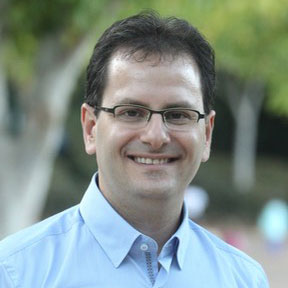

Krill Prize 2014
Technion
Ass.Prof. Daniel Podolsky (פופ”מ דניאל פודולסקי)
Research Interests:
Quantum mechanics of interacing electrons and atoms
My research spans a number of topics that are currently at the forefront of
condensed matter physics research. These include the theoretical exploration of the
Higgs mode in condensed matter and ultracold atomic systems, the proposal of
methods to induce topological properties by the use of light, and the study of
statistical mechanics systems out of equilibrium.
One of the main goals of condensed matter physics is to understand the collective
excitations that emerge from the interactions between the fundamental degrees of
freedom of a system. Recently, there has been broad interest in understanding the
Higgs mode, a collective excitation associated with oscillations in the amplitude of the
order parameter. This mode is a direct analogue of the Higgs particle of the Standard
Model, recently detected at the Large Hadron Collider. However, unlike the Higgs
particle, the Higgs mode in condensed matter makes its appearance at much lower
energies. It appears in a wide variety of systems, including superconductors, charge
density waves, magnets, and superfluids near the Mott transition. The Higgs mode
teaches us essential information about the dynamics underlying these systems.
In recent work with A. Auerbach and D. P. Arovas, I predicted that the Higgs mode is
a sharp excitation in two dimensional systems, and proposed a method for its
detection. This went against the common lore at the time, which held that the mode is
too short-lived to be meaningfully defined. Our prediction was confirmed within a few
months in experiments on cold bosonic gases, where the mode was clearly seen for
the first time in a two dimensional system. Following this success, I have been
studying various aspects of the Higgs mode, such as demonstrating that the mode
survives as a sharp excitation even when the system is close to being disordered at a
quantum phase transition, and studying its properties in antiferromagnets and
superconductors.
A second area of current research involves the study of light-induced topological
phases of matter. Topological insulators have attracted great interest in the
community due to their striking properties, such as conduction that occurs only at
their surfaces. Together with the group of M. Segev, I used the ideas predicted by the
theory of topological insulators to develop a photonic system with robust optical
waves that move in one direction, bypassing obstacles and imperfections that lie in
their way. In separate work together with my student Y. Tenenbaum Katan, I have
shown that light-induced topological phases can be manipulated in ways leading to
great potential for applications.
Finally, I am currently studying the statistical mechanics of out-of-equilibrium
systems. In an ongoing collaboration with G. Bunin and Y. Kafri, we are exploring the
large deviation function of systems that carry currents. A number of surprising
properties that are uniquely non-equilibrium arise in this case, such as long-range
correlations that are induced by the currents themselves. I am currently studying how
these effects manifest themselves in superconductors and in open quantum systems.
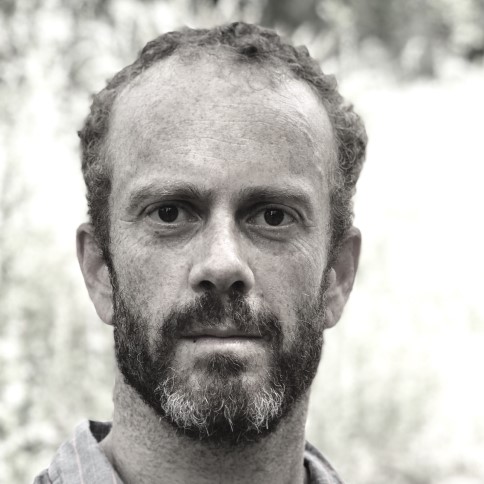

Krill Prize 2014
Technion
Ass.Prof. Amir Yehudayoff (פרופ”מ אמיר יהודיוף)
Research Interests:
Combinatorics and theory of computing
Theoretical aspects of computing have deep and beautiful connections to many
areas of mathematics and science in general. I am interested in improving our
understanding of these connections and in finding and exploring new ones. Here
are several examples of research projects I am part of.
Computational complexity theory studies the amount of resources that are needed to
perform a given task. A simple example is the communication complexity model
defined by Yao, which has found numerous applications since its introduction. In this
model, there are two players usually called Alice and Bob. Alice gets an input x, Bob
gets an input y and their goal is to compute a common function f(x,y) while
communicating the minimal amount possible. We have been studying efficient
compression of communication protocols, and searching for more connections with
other known complexity measures.
Another goal of complexity theory is efficient constructions of useful combinatorial
objects. A good example of such objects are expander graphs, which are highly
connected graphs of constant degree. Expanders have many applications, for example,
in coding theory and derandomization. A basic question that I am interested in is
“how simple can expander graphs be?” We have showed that there are monotone
expanders (that are simple due to the monotonicity restriction), and we are studying
the question of whether expanders can be defined by simple maps (e.g., that are close
to one-dimensional affine).
We are also looking for clean mathematical frameworks that model scientific
endeavours. Two examples of such frameworks from my recent work are: (a) The
restriction access model that relates to learning theory and provides a clean
framework to study non-black-box access to computational processes. (b) The
population recovery model that concerns recovery of information from partial (noisy
or lossy) data. In both of these models, we have found new algorithms that will
hopefully be used in practice or influence the way similar tasks are approached in the
future.
Another related area that is fascinating to me is the behaviour of random processes
and objects. It is a well-known phenomenon that random objects exhibit a typical
Behavior. In complexity theory, e.g., a random function is typically difficult to
compute. We have been studying several random systems and helped to describe
some of the typical behaviors of these system. Two recent examples are the behavior
of random Lipschitz functions on expander graphs and trees, and the behavior of the
cover time of trees (which is a generalisation of the “coupon collector” problem).


Krill Prize 2014
Bar-Ilan University
Dr. Nathan Keller (ד”ר נתן קלר)
Research Interests:
Influence in Variables on Boolean functions