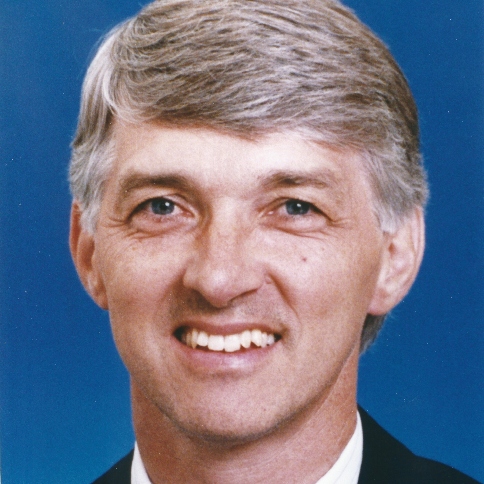
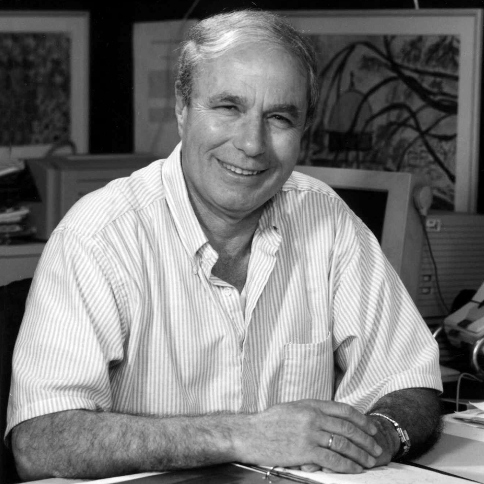
R. Michael Roberts

Wolf Prize Laureate in Agriculture 2002/3

R. Michael Roberts


Affiliation at the time of the award:

University of Missouri, USA


Award citation:

“for discoveries of Interferon-t and other pregnancy-associated proteins, which clarified the biological mystery of signaling between embryo and mother to maintain pregnancy, with profound effects on the efficiency of animal production systems, as well as human health and well-being”.


Prize share:

R. Michael Roberts

Fuller W. Bazer 


Professors Fuller W. Bazer and R. Michael Roberts are co-recipients of the Wolf Foundation Prize, in recognition of their seminal contributions in clarifying the biological mystery of embryo-maternal signaling, that leads to the maintenance of pregnancy and to the survival of the embryo in livestock species. While it has long been known that chemical communication between embryo and mother was essential for a successful pregnancy in mammals, little was known about the details of the process, before these two scientists began a collaboration to elucidate on these relationships.

After a period of intensive joint efforts, lasting 16 years, each has continued to make important independent contributions, at Texas A&M University and at the University of Missouri-Columbia. Among his key discoveries, Bazer isolated a uterine protein called uteroferrin and identified that it is a hematopoietic growth factor that influences the survival of the neonate and may be useful in treating diseases, such as leukemia and osteoporosis. Roberts determined that uteroferrin was identical to a class of tartrate-resistant acid phosphatases (TRAPs), subsequently purified, sequenced and cloned in humans. This has led to the screening of postmenopausal women for TRAP, elevated in association with osteoporosis. Bazer determined that estrogen in pigs and interferon-t in ruminant species, are the signals for pregnancy maintenance. The ability of interferon-t to suppress transcription of the estrogen receptor gene, provides a model for potential treatment of estrogen-dependent tumors. Roberts cloned, identified, and characterized the temporal expression of trophoblast interferon-t in sheep and cattle. His studies related to differential transcriptional regulation of interferon-t by ETS-2 and Oct-4 transcription factors, has led to the identification of a putative developmental switch that may lead to the formation of trophectoderm in early embryo development. Roberts has identified at least 100 expressed genes for pregnancy-associated proteins in the aspartyl proteinase gene family, some of which hold promise as a basis for an accurate and sensitive pregnancy test. Robert’s research on sexual dimorphism in embryos has led to the discovery that the mother’s diet (e.g., fat) close to the time of conception, may play a role in selecting the offspring’s sex.

The Wolf Foundation Prize Co-Awardees have created each a legacy of trained scientists, that are playing leadership roles in both agriculture and biomedicine. F.W. Bazer and R. Michael Roberts exemplify how devotion to basic research in agriculture can lead to practical outcomes that impact both animal production, as well as human health and well-being.

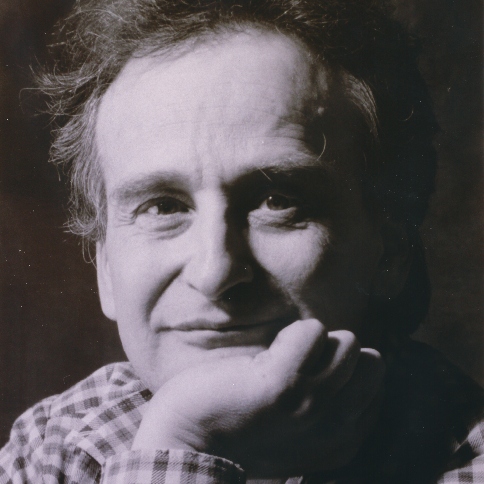
Vladimir Arnold

Wolf Prize Laureate in Mathematics 2001

Vladimir I. Arnold


Affiliation at the time of the award:

Steklov Mathematical Institute, Russia

Universite Paris-Dauphine, France


Award citation:

“for his deep and influential work in a multitude of areas of mathematics, including dynamical systems, differential equations, and singularity theory”.


Prize share:

Vladimir I. Arnold

Saharon Shelah 


Professor Vladimir I. Arnold, a renaissance mathematician, has made significant contributions to an astounding number of different mathematical disciplines. His many research papers, books and lectures, plus his enormous erudition and enthusiasm, have had a profound influence on an entire generation of mathematicians.

Arnold’s Ph.D. thesis contained a solution to Hilbert’s 13th problem. His work on Hamiltonian dynamics, in particular as co-creator of the KAM (Kolmogorov-Arnold-Moser) theory and as the discoverer of “Arnold’s diffusion”, made him world-famous at an early age. Arnold’s contributions to the theory of singularities, which complements Thom’s catastrophe theory, has transformed this field. He has also made innumerable and fundamental contributions to the theory of differential equations, symplectic geometry, real algebraic geometry, the calculus of variations, hydrodynamics, and magneto-hydrodynamics, often discovering links between problems in diverse areas.

Saharon Shelah

Wolf Prize Laureate in Mathematics 2001

Saharon Shelah


Affiliation at the time of the award:

Hebrew University of Jerusalem, Israel


Award citation:

“for his many fundamental contributions to mathematical logic and set theory, and their applications within other parts of mathematics”.


Prize share:

Saharon Shelah 

Vladimir I. Arnold


Professor Saharon Shelah is a leading mathematician in the foundations of mathematics and mathematical logic. His staggering output, of 700 papers and half a dozen monographs, includes the creation of several entirely new theories that changed the course of model theory and modern set theory, as well as providing the tools to settle old problems from many other branches of mathematics, including group theory, topology, measure theory, Banach spaces, and combinatorics.

Shelah created a number of subfields of set theory, most notably the theory of proper forcing and the theory of possible cofinalities, a remarkable refinement of the notion of cardinality, which led to the proofs of definite statements in areas previously considered far beyond the limits of undecidability. Shelah’s work on set theoretic algebra and its applications showed that dozens of areas of algebra involve phenomena that are not controlled by universally-recognized axioms of set theory (independence phenomena). In model theory he carried through a monumental program of deep structural analysis known as “stability theory” which now dominates a large part of the field.

Ryoji Noyori

Wolf Prize Laureate in Chemistry 2001

Ryoji Noyori


Affiliation at the time of the award:

Nagoya University, Japan


Award citation:

“for their pioneering, creative and crucial work in developing asymmetric catalysis for the synthesis of chiral molecules, greatly increasing humankind’s ability to create new products of fundamental and practical importance”.


Prize share:

Ryoji Noyori

Henri B. Kagan

K. Barry Sharpless


Professors H. B. Kagan, R. Noyori and K. B. Sharpless, have independently made great advances in developing the ability to synthesize chiral molecules. They pioneered the use of chiral molecular metal complexes as catalysts in asymmetric synthesis. Minute amounts of such catalysts can enable the production of large amounts of desired products of controlled handedness. These catalysts can perform various molecular transformations in an asymmetric fashion, such as reduction, oxidation and isomerization, leading to a variety of useful chiral products.

The chiral synthetic advances made by these three scientists, working on three different continents but pursuing the same significant goals, are critical to pharmaceutical manufacturing and the preparation of a very large number of molecules of controlled handedness. Their pioneering work has revolutionized our understanding of asymmetric catalysis and provided the means for efficient industrial and laboratory preparations of important pharmaceutical products and fine chemicals needed for daily life.

The first example of asymmetric catalysis (cyclopropanation) by a well-defined metal (copper) complex was reported by Noyori in 1966. Although only a low enantiomeric excess was obtained, the result stimulated further research. In 1971, Kagan reported a breakthrough in catalytic enantioselectivity. Using a C2- symmetric ligand (DIOP) for the first time, he obtained a very high enantiomeric excess in alkene hydrogenation, catalyzed by a rhodium complex. Kagan´s work had a strong influence on the course of research in the field of asymmetric catalysis, leading to the development of a variety of C2 -symmetric ligands and stimulating the study of several important reactions, such as asymmetric hydrogenation, hydroformylation, hydrosilylation and allylic alkylation. In 1980, Noyori reported asymmetric catalysis, by complexes of a new diphosphine ligand, BINAP. Catalysis by ruthenium and rhodium complexes of this ligand, resulted in spectacular laboratory and commercial applications, in asymmetric hydrogenation and isomerization. In the same year, Sharpless reported a breakthrough in the important field of asymmetric oxidation. His general method for the highly enantioselective epoxidation of allylic alcohols catalyzed by a titanium complex, is of broad scope and is used routinely in synthesis. More recently, Sharpless developed another highly useful synthetic methodology, the asymmetric dihydroxylation of alkenes, catalyzed by an osmium complex.

Roger N. Beachy

Wolf Prize Laureate in Agriculture 2001

Roger N. Beachy


Affiliation at the time of the award:

Danforth Plant Science Center, USA


Award citation:

“for the use of recombinant DNA technology, to revolutionize plant (Beachy) and animal (Womack) sciences, paving the way for applications to neighboring fields”.


Prize share:

Roger N. Beachy

James E. Womack


Dr. Roger N. Beachy is a recognized expert in plant virology and biotechnology of plants, having established principles for the genetic engineering of plants, that make them resistant to viral diseases. He was the first one to demonstrate pathogen-derived resistance in plants and to produce the first disease-resistant transgenic plant. Dr. Beachy is undoubtedly in the forefront of the plant biotechnology revolution. Without him, and his work, this field would not be as developed as it is now. He was the first to show that, by transferring and expressing the coat protein gene of a virus in plants (coat protein-mediated resistance – CPMR), these transgenic plants become resistant to viral infection. His discovery of the CPMR led to the development of virus-resistant varieties of potato, tomato, pepper, cucumber, squash, sugar beets, papaya and plum. Benefits to other crops will surely ensue. A large number of scientists from developing countries were trained under Dr. Beachy´s supervision, at the International Laboratory for Tropical Agricultural Biotechnology (ILTAB). Professor Beachy´s recent appointment as head of a new plant science center in Saint Louis, speaks for his high standing in the scientific community.

K. Barry Sharpless

Wolf Prize Laureate in Chemistry 2001

K. Barry Sharpless


Affiliation at the time of the award:

Scripps Research Institute, USA


Award citation:

“for their pioneering, creative and crucial work in developing asymmetric catalysis for the synthesis of chiral molecules, greatly increasing humankind´s ability to create new products of fundamental and practical importance”.


Prize share:

K. Barry Sharpless

Henri B. Kagan

Ryoji Noyori


Professors H. B. Kagan, R. Noyori and K. B. Sharpless, have independently made great advances in developing the ability to synthesize chiral molecules. They pioneered the use of chiral molecular metal complexes as catalysts in asymmetric synthesis. Minute amounts of such catalysts can enable the production of large amounts of desired products of controlled handedness. These catalysts can perform various molecular transformations in an asymmetric fashion, such as reduction, oxidation and isomerization, leading to a variety of useful chiral products.

The chiral synthetic advances made by these three scientists, working on three different continents but pursuing the same significant goals, are critical to pharmaceutical manufacturing and the preparation of a very large number of molecules of controlled handedness. Their pioneering work has revolutionized our understanding of asymmetric catalysis and provided the means for efficient industrial and laboratory preparations of important pharmaceutical products and fine chemicals needed for daily life.

The first example of asymmetric catalysis (cyclopropanation) by a well-defined metal (copper) complex was reported by Noyori in 1966. Although only a low enantiomeric excess was obtained, the result stimulated further research. In 1971, Kagan reported a breakthrough in catalytic enantioselectivity. Using a C2- symmetric ligand (DIOP) for the first time, he obtained a very high enantiomeric excess in alkene hydrogenation, catalyzed by a rhodium complex. Kagan’s work had a strong influence on the course of research in the field of asymmetric catalysis, leading to the development of a variety of C2 -symmetric ligands and stimulating the study of several important reactions, such as asymmetric hydrogenation, hydroformylation, hydrosilylation and allylic alkylation. In 1980, Noyori reported asymmetric catalysis, by complexes of a new diphosphine ligand, BINAP. Catalysis by ruthenium and rhodium complexes of this ligand, resulted in spectacular laboratory and commercial applications, in asymmetric hydrogenation and isomerization. In the same year, Sharpless reported a breakthrough in the important field of asymmetric oxidation. His general method for the highly enantioselective epoxidation of allylic alcohols catalyzed by a titanium complex, is of broad scope and is used routinely in synthesis. More recently, Sharpless developed another highly useful synthetic methodology, the asymmetric dihydroxylation of alkenes, catalyzed by an osmium complex.

James E. Womack

Wolf Prize Laureate in Agriculture 2001

James E. Womack


Affiliation at the time of the award:

Texas A&M University, USA


Award citation:

“for the use of recombinant DNA technology, to revolutionize plant (Beachy) and animal (Womack) sciences, paving the way for applications to neighboring fields”.


Prize share:

James E. Womack

Roger N. Beachy


The development, by Professor James E. Womack, of a whole genome cattle-hamster radiation hybrid (RH) panel, has fueled a new thrust in cattle genomics and comparative gene mapping. RH mapping has become an effective tool for building ordered maps of conserved sequences, derived from genes, thus integrating linkage and physical maps of mammalian chromosomes. The recent construction of a cattle-human whole-genome comparative map, on the basis of parallel RH mapping, will play a vital role in the genetic dissection of multigenic traits and the characterization of important agricultural loci.

Professor Womack has taken special interest in assisting the careers of young scientists, particularly those in developing countries. Many of his students have gone on to positions of international leadership in animal genomics. A whole new generation of scientists will use the chromosomal coordinates, provided by Womack,to positionally clone the genes affecting economically important traits in mammals.

Henri B. Kagan

Wolf Prize Laureate in Chemistry 2001

Henri B. Kagan


Affiliation at the time of the award:

University of Paris-South, France


Award citation:

“for their pioneering, creative and crucial work in developing asymmetric catalysis for the synthesis of chiral molecules, greatly increasing humankind’s ability to create new products of fundamental and practical importance”.


Prize share:

Henri B. Kagan

Ryoji Noyori

K. Barry Sharpless


Henri Boris Kagan was born in 1930 in Boulogne-Billancourt, near Paris, to Alexandre Kagan, an engineer, and Adeline, née Celniker. His childhood unfolded against the backdrop of the Second World War: during the war, the Kagan family found refuge in a village in southern France, where they lived under assumed names. After the war, Kagan resumed his education, but his path to science was far from predetermined. He later recalled that he was not considered a particularly good student in his early school years and initially followed a literary track, which did not suit him. A move to the sciences changed his direction, awakening a growing interest in mathematics, physics, and chemistry. He was especially fascinated by experiments that brought classroom science to life, and on weekends he regularly visited the Palais de la Découverte in Paris, where subjects ranging from nuclear physics to astronomy captured his imagination. At first, Kagan envisioned becoming an engineer and working in industry; only later did he choose chemistry—a decision that would set him on the path to an extraordinary scientific career.

Professors H. B. Kagan, R. Noyori and K. B. Sharpless, have independently made great advances in developing the ability to synthesize chiral molecules. They pioneered the use of chiral molecular metal complexes as catalysts in asymmetric synthesis. Minute amounts of such catalysts can enable the production of large amounts of desired products of controlled handedness. These catalysts can perform various molecular transformations in an asymmetric fashion, such as reduction, oxidation and isomerization, leading to a variety of useful chiral products.

The chiral synthetic advances made by these three scientists, working on three different continents but pursuing the same significant goals, are critical to pharmaceutical manufacturing and the preparation of a very large number of molecules of controlled handedness. Their pioneering work has revolutionized our understanding of asymmetric catalysis and provided the means for efficient industrial and laboratory preparations of important pharmaceutical products and fine chemicals needed for daily life.

The first example of asymmetric catalysis (cyclopropanation) by a well-defined metal (copper) complex was reported by Noyori in 1966. Although only a low enantiomeric excess was obtained, the result stimulated further research. In 1971, Kagan reported a breakthrough in catalytic enantioselectivity. Using a C2- symmetric ligand (DIOP) for the first time, he obtained a very high enantiomeric excess in alkene hydrogenation, catalyzed by a rhodium complex. Kagan´s work had a strong influence on the course of research in the field of asymmetric catalysis, leading to the development of a variety of C2 -symmetric ligands and stimulating the study of several important reactions, such as asymmetric hydrogenation, hydroformylation, hydrosilylation and allylic alkylation. In 1980, Noyori reported asymmetric catalysis, by complexes of a new diphosphine ligand, BINAP. Catalysis by ruthenium and rhodium complexes of this ligand, resulted in spectacular laboratory and commercial applications, in asymmetric hydrogenation and isomerization. In the same year, Sharpless reported a breakthrough in the important field of asymmetric oxidation. His general method for the highly enantioselective epoxidation of allylic alcohols catalyzed by a titanium complex, is of broad scope and is used routinely in synthesis. More recently, Sharpless developed another highly useful synthetic methodology, the asymmetric dihydroxylation of alkenes, catalyzed by an osmium complex.

Avram Hershko

Wolf Prize Laureate in Medicine 2001

Avram Hershko


Affiliation at the time of the award:

Technion – Israel Institute of Technology, Israel


Award citation:

“for the discovery of the ubiquitin system of intracellular protein degradation and the crucial functions of this system in cellular regulation”.


Prize share:

Avram Hershko

Alexander Varshavsky 


Hershko and Varshavsky stand out in their seminal contributions to the discovery of both the mechanism and the functions of ubiquitin-dependent proteolysis.

Professor Avram Hershko was the first to recognize that the covalent attachment of a small protein, later found to be ubiquitin, plays a role in ATP-dependent proteolysis. Over the following several years, along with his co-workers, Hershko elucidated the three-step mechanism of ubiquitination, which involves the ubiquitin-activating (E1) enzyme, that forms a thioester linkage to ubiquitin, a ubiquitin-conjugating (E2) enzyme, that transfers ubiquitin to the target protein, and the E3 component, required for recognizing the protein target. This elegant and rigorous biochemical analysis provided the framework for subsequent studies of the role of ubiquitin in regulated proteolysis.

The discovery by Hershko and Varshavsky that ubiquitin-dependent proteolysis is a fundamental regulatory process, impacts on virtually all aspects of modern biology.

Álvaro Siza

Wolf Prize Laureate in Architecture 2001

Álvaro Siza


Award citation:

“for the critical relevance of his typically responsive architecture to the continual transformation of both landscape and urban fabric”.


Prize share:

None


Starting with extremely modest interventions in the relatively underdeveloped country Portugal was, Architect Álvaro Siza consistently demonstrated the catalytic power of architectonic creation to transform and re-energize the context in which it is situated. He has done this by enriching and revitalizing the syntactical, spatial and programmatic legacy of the Modern Movement without indulging in the formalism to which contemporary architectural practice is so evidently prone, be this of a superficially spectacular or technological nature. Siza has been able to maintain the consistency of his ethical position without inhibiting his prodigious capacity for poetic intervention.