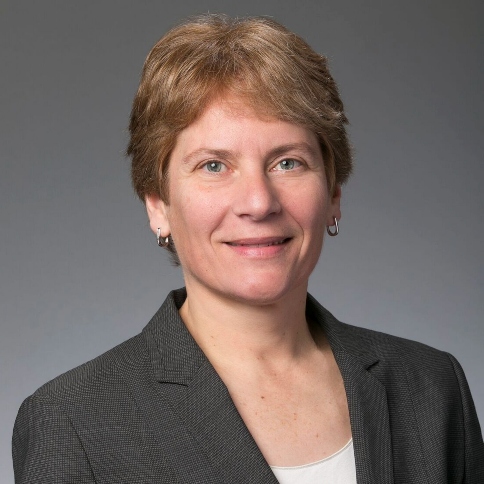
Daniel Joshua Drucker

Wolf Prize Laureate in Medicine 2023

Daniel Joshua Drucker


Affiliation at the time of the award:

University of Toronto, Canada


Award citation:

“for pioneering work in elucidating the mechanisms and therapeutic potential of enteroendocrine hormones”.


Prize share:

None


Prof. Daniel Drucker is a Canadian Endocrinologist and Professor of Medicine at The University of Toronto. He is a Senior Scientist at the Lunenfeld-Tanenbaum Research Institute, Mount Sinai Hospital, Toronto, and a fellow of the Royal Society. Prof. Drucker is known for his research into intestinal hormones and their use in treating diabetes and other metabolic diseases.
Drucker was born and grew up in Montreal, and then enrolled at the University of Ottawa. He graduated in Medicine from the University of Toronto (1980) and received postgraduate training (Medicine and Endocrinology) at Johns Hopkins Hospital (1980-81), the University of Toronto (1980-84), and the Massachusetts General Hospital, Harvard Medical School (1984-87).
Prof. Drucker’s lab has gained worldwide recognition for its research and its focus on applying scientific breakthroughs to clinical treatment. The lab has made significant contributions to the development of new therapies for type 2 diabetes and a new therapy for short bowel syndrome. His research holds great potential for treating obesity.
Prof. Drucker studies a family of hormones produced in the pancreas, gastrointestinal tract, and brain. Controlling blood glucose and insulin secretion, these hormones also regulate our appetite, the absorption of nutrients from the food we eat, and the conversion of those nutrients to energy. In his lab, Drucker studies the action of hormones that regulate multiple aspects of metabolism. Since enhanced gut hormone action may be beneficial in diabetes, obesity, and inflammatory bowel disorders, these hormone analogues have the potential to lead to new treatments for diseases that afflict millions of people worldwide.

Prof. Drucker is awarded the Wolf prize for having made seminal contributions to our understanding of the physiology and pharmacology of glucagon-like peptides (GLPs) and their use for the benefit of patients. His discoveries of GLP-1, GLP-2, and dipeptidyl peptidase-4 (DPP-4) activity have enabled the development of multiple new innovative classes of medications for the treatment of diabetes, obesity, and obesity-associated comorbidities. He demonstrated that GLP-1 directly stimulates insulin secretion from pancreatic beta cells.

Over the past 35 years, Drucker has led the field in delineating the importance of GLP-1 action for the control of pancreatic beta cell proliferation and survival, regulation of endoplasmic reticulum (ER) stress, and beta cell plasticity. Drucker is widely recognized for his ongoing contributions to multiple new actions of GLP-1 in the brain, gut, in the endocrine and exocrine pancreas, the immune system, and the heart and blood vessels. He played a pivotal role in identifying cardiovascular mechanisms of action for incretin agents, including studies of heart rate, blood pressure, atherosclerosis, inflammation, and cardioprotection, thus laying the scientific groundwork for the exciting results of recent cardiovascular outcome studies. Collectively, these findings have provided broad support for the development, use, and safety of GLP-1 therapeutics in human subjects with diabetes and obesity, and have identified new disease areas (NASH, CNS disorders such as Parkinson’s and Alzheimer’s disease) that may benefit from therapy with GLP-1R agonists. He also described the basic mechanisms linking DPP-4 activity to metabolic control. His pioneering studies validated DPP-4 as a drug target and described the importance of DPP-4 for the control of the enteroinsular axis.

Fujiko Nakaya

Wolf Prize Laureate in Arts 2023

Fujiko Nakaya


Award citation:

“for redefining the possibilities of art-making and transforming the parameters of visual art”.


Prize share:

Fujiko Nakaya

Sir Richard Julian Long


Fujiko Nakaya was born in Sapporo, Japan. Her early interest in the connections between art and science was inspired by her father’s work and his belief that the realization of scientific truths depended on collaboration between human beings and nature. Like her father, a physicist renowned for his work in glaciology and snow crystal photography, Nakaya’s lifelong artistic investigation engages the element of water and instills a sense of wonder in everyday weather phenomena.

Fujiko Nakaya studied at the High School of Japan Women’s University in Tokyo and at Northwestern University in Evanston, Illinois. Her first solo exhibition was held at the Tokyo Gallery in 1962. Her work took a significant turn when she joined the Experiments in Art and Technology collective of artists and engineers (E.A.T.).

A bridge between the metaphysical and physical world, the fog has fascinated by its ability to blur the boundaries between reality and imagination. For Nakaya, it “makes visible things become invisible and invisible things—like wind—become visible.”
Working as part of the collective, she enshrouded the Pepsi Pavilion at the 1970 World Exposition in Osaka in vaporous fog, becoming the first artist to create a sculptural fog environment. Nakaya has worked with artificial fog extensively since, creating fog sculptures, and developing immersive and unstable environments, making her a pioneer of the genre. Nakaya is widely known for her early experiments in art and technology, as well as her work in video art. She co-founded the collective Video Hiroba and opened Japan’s first video art gallery. She has collaborated with many international artists and has participated in many international exhibitions.

Fujiko Nakaya, one of Japan’s leading artists, is awarded the Wolf Prize for being a longtime pioneer of work that intermingles the realms of art, nature, science, and technology. Her sculptures, films and videos, installations, and paintings, produced over a seven-decade career, engage fundamental subjects such as the environment, perception, and communication. Nakaya’s early concern with the artistic potential of natural resources, her embrace of nascent technologies, and her exploration of human interaction with our planet, have proven remarkably prescient. Half a century after she first developed the concept of fog sculptures, she continues to astonish audiences with the magic of work made at the junction of art and nature, poetry and science. At heart Nakaya is an experimentalist who disregards predetermined categories and, in so doing, expands the definition and experience of art.

Martinus Th. van Genuchten

Wolf Prize Laureate in Agriculture 2023

Martinus Th. “Rien” van Genuchten


Affiliation at the time of the award:

The Federal University of Rio de Janeiro, Brazil


Award citation:

“for his groundbreaking work in understanding water flow and predicting contaminant transport in soils”.


Prize share:

None


Martinus Theodorus Van Genuchten, born in Vught, Netherlands, received his early education at the Agricultural U, Wageningen, and his Doctorate in the United States, at the New Mexico State University. Van Genuchten has had an exemplary and influential career, with numerous collaborations across the globe. He further served as co-editor and deputy editor, of nine journals and launched the Vadose Zone Journal, dedicated to the science of the near-surface environment.

The vadose zone is the undersaturated portion of the subsurface that lies above the groundwater table. The soil and rock in the vadose zone are not fully saturated with water; that is, the pores within them contain air as well as water. The movement of water within the vadose zone is important to agriculture, contaminant transport, and flood control. It is intensively used for the cultivation of plants, construction of buildings, and disposal of waste, and crucial in determining the amount and quality of groundwater that is available for human use.

During his 40-year career, Professor Van Genuchten transformed the broad fields of soil physics and vadose zone hydrology, which are central to modern agricultural operations and climate science. He created a much-needed scientific basis for understanding fluid flow and contaminant transport processes in unsaturated soils, including their interactions with the atmosphere above and groundwater below. Contemporary vadose zone hydrology is unthinkable without his many contributions, which established links between agriculture, soil science, geology, environmental sciences, and civil engineering. Particularly important were his studies on the basic processes governing water and chemical transport in soil systems, with his work on the nonequilibrium transport of agricultural chemicals remaining a landmark.
He pioneered the representation of dual-porosity and dual-permeability models considering mobile and immobile liquid regions in unsaturated porous media, derived novel analytical and numerical solutions, and performed some of the most definitive laboratory and field experiments to test the models. His models profoundly improved predictions of complex field phenomena and motivated an avalanche of studies along similar lines to address water and chemical transport in natural soils and rocks. Because of their attractive mathematical properties and their simplicity, the “van Genuchten equations” are now universally used in numerical simulators of subsurface flow and transport processes.
Prof. van Genuchten is awarded the Wolf Prize for reshaping the disciplines of soil physics and vadose zone hydrology. He not only published hundreds of scientific journal papers but wrote user manuals of his many computer programs now being used worldwide. He brought enormous visibility and credibility to the agricultural sciences profession. He facilitated the formation of productive links between theoreticians and practitioners, young students and accomplished scientists, and institutions in developed and less-developed countries. For all his numerous contributions to agriculture, soil science, and hydrology, Prof. Genuchten receives the 2023 Wolf Prize in Agriculture.

Richard Long

Wolf Prize Laureate in Arts 2023

Sir Richard Julian Long


Award citation:

“for redefining the possibilities of art-making and transforming the parameters of visual art”.


Prize share:

Sir Richard Julian Long

Fujiko Nakaya


Sir Richard Julian Long is an English sculptor and one of the best-known British land artists. He lives and works in Bristol, the city in which he was born. Long studied at the West of England College of Art (1962-1965) and continued his studies at the St. Martin’s School of Art and Design, London (1966-1968). Considered one of the most influential artists, Richard Long’s works have extended the possibilities of sculpture beyond traditional materials and methods. Long’s works engage with the landscape, investigating nature and his experience within nature. His work is typically displayed with materials or through documentary photographs of his performances and experiences.

When Richard Long was 18, he walked on the downs near his native Bristol. He began rolling a snowball through the snow, and when it became too big to push further, he took out his camera – then, instead of snapshotting the giant snowball, he photographed the dark meandering track it had left in the snow. This image, one of his earliest works of land art, was named “Snowball Track”. He was then a student at the West of England College of Art in Bristol, but he was dismissed from the course because his work was considered too provocative and perhaps ahead of its time.

Walking is central to Long’s work as a way of perceiving and recording landscape; early in his career, he established the precedent that art could be a journey and that a sculpture could be deconstructed over the distance of a journey. Walking as a medium has enabled him to articulate ideas about time and space. He seeks freedom of movement and expression and a balance with the natural world through a physical and personal engagement with the land, working with nature to reflect its impermanence and the changing processes of time. His beguilingly simple works commonly take the form of geometric shapes-circles, lines, ellipses, and spirals and use raw materials,
such as stones and driftwood, found along the way. These works are often simple interventions, marks of passage, and leave little or no trace, and are documented through photographs or text works that record his ideas, observations, and experiences.

Richard Long is awarded the Wolf Prize for being a pioneer of conceptual art centered on personal interaction with the natural world. In 1967, his work A Line Made by Walking introduced a contemporary reimagining of human experience in nature as a subject for art. Over the course of nearly six decades, his solitary walks throughout the world have generated a complex body of work comprising sculptures, photographs, drawings, and texts. The materials for these artworks, echoing the walks themselves, are nature-based: rocks and stones, logs and twigs, mud and soil. The tools of time-marking and map-making, place-naming and record-keeping all figure together to create works that commingle factual observation and artistic invention. Long’s deep engagement with the natural environment as process, subject, material, and vocabulary has established him as a key figure of his generation and one whose work resonates powerfully with present-day concerns.

Benjamin F. Cravatt III

Wolf Prize Laureate in Chemistry 2022

Benjamin F. Cravatt


Affiliation at the time of the award:

Scripps Research Institute, USA


Award citation:

“for developing activity-based protein profiling, a chemical proteomic strategy, to characterize enzyme function in native biological systems, and describe numerous enzymes which play critical roles in human biology and disease, including the endocannabinoid hydrolases whose lipid products regulate communication between cells”.


Prize share:

Benjamin F. Cravatt

Carolyn Bertozzi

Bonnie Bassler


“for their seminal contributions to understanding the chemistry of cellular communication and inventing chemical methodologies to study the role of carbohydrates, lipids, and proteins in such biological processes”.


Cravatt, the Gilula Chair of Chemical Biology and Professor in the Department of Chemistry at The Scripps Research Institute. His research aims to understand proteins’ roles in human physiological and pathological processes and use this knowledge to identify novel therapeutic targets and drugs to treat diseases.

Cravatt was inspired to think about biology by his parents and credits his high school mathematics teachers for nurturing his interest in the quantitative sciences. Cravatt obtained his undergraduate education at Stanford University, receiving a B.Sc in Biology and a B.A. in History. He then received a Ph.D. from The Scripps Research
Institute (TSRI) in 1996 and joined the faculty at TSRI in 1997.

Bridging the fields of chemistry and biology, Cravatt and his research group have developed and applied technologies to discover biochemical pathways in mammalian biology and disease. Cravatt pioneered an approach to identify protein classes based on their activity. His multidisciplinary approach generates all tools and models required to assign molecular, cellular, and physiological functions to enzymes and, as an essential corollary, assess their suitability as therapeutic targets. He achieves a unique balance that cultivates the creation and rapid implementation of cutting-edge technologies to advance basic and translational science.

Cravatt’s work on the endocannabinoid system has radically changed the landscape of proteome analysis by demonstrating how innovative chemical methods can be used to broadly and deeply investigate protein function directly in native biological systems.

The chemical proteomic technology Activity-Based Protein Profiling (ABPP), pioneered by Cravatt employs chemical probes to directly measure enzyme function. For example, a fluorescent label may be used to tag enzymes with certain chemical properties, allowing scientists to survey all active enzymes in a cell at once, and to determine
the targets of drugs in a global manner directly in living systems.

Cravatt has used this and related chemical proteomic technologies to conduct global analyses of protein activities and to elucidate the functions of several enzymes, including those linked to human cancers, neurological disorders, and the endocannabinoid system, which consists of lipid transmitters involved in appetite regulation, pain sensation, mood, memory, and other physiological processes.

Benjamin Cravatt is awarded the Wolf prize for developing activity-based protein profiling, which has emerged as a powerful and widely used chemical proteomic strategy to characterize enzyme function in native biological systems. He used this approach to characterize numerous enzymes which play critical roles in human biology and disease, including the endocannabinoid hydrolases whose lipid products regulate communication between cells.

Pamela Ronald

Wolf Prize Laureate in Agriculture 2022

Pamela Ronald


Affiliation at the time of the award:

University of California, Davis, USA


Award citation:

“for pioneering work on disease resistance and environmental stress tolerance in rice”.


Prize share:

None


Ronald, a distinguished professor in the Department of Plant Pathology and the Genome Center at the University of California, Davis. She also serves as the director of grass genetics at the Joint Bioenergy Institute in Emeryville, California, and as the faculty director of the UC Davis Institute for Food and Agricultural Literacy.

One of the greatest challenges of our time is to feed the growing population without further destroying the environment. Because most of the world’s farmland is already under cultivation and fresh water is scarce, increased food production must largely take place more efficiently. To produce a successful crop each year, farmers must employ strategies to combat pests, diseases, and environmental stresses, which reduce global yields by 30-60% each year.

Ronald’s lab studies genes that control resistance to disease and tolerance of environmental stress with the goal of improving food security for the world’s poorest farmers. Together with her collaborators, she has engineered rice for resistance to disease and tolerance to flooding, which seriously threatens rice crops in Asia and Africa.

Pamela Ronald has spent three decades studying rice, a staple food for more than half of the world’s population. Her discoveries show an advanced understanding of fundamental biological processes and enhance sustainable agriculture and food security. Ronald’s team isolated a gene that allows rice to survive two weeks of flooding and increases yield by 60% compared with conventional varieties. Her research facilitated the development of flood-tolerant rice varieties now grown by more than 6 million subsistence farmers in India and Bangladesh, where 4 million tons of rice, enough to feed 30 million people, is lost each year to flooding.

Ronald’s isolation of the Xa21 immune receptor in 1995, the first member of this important class of receptors to be identified, revealed a new mechanism with which plants and animals detect and respond to infection. In 2015, her team isolated and characterized the receptor-ligand, a microbial immunogen, that triggers both developmental and immunological responses in the host. These breakthrough studies continue to have implications for studies of infectious diseases of both plants and animals.

Ronald is widely recognized for innovative and effective public engagement with the goal of advancing agricultural sustainability. Ronald’s lectures and writings, and in particular her book with her husband, Raoul Adamchak, established a new paradigm where biotechnologies and organic agriculture are integrated as a base for sustainable farming, and as a way of coexistence for environmentalists and technologists.

Ferenc Krausz

Wolf Prize Laureate in Physics 2022

Ferenc Krausz


Affiliation at the time of the award:

Max Planck Institute of Quantum Optics, Germany


Award citation:

“for pioneering contributions to ultrafast laser science and attosecond physics”


Prize share:

Ferenc Krausz

Paul Corkum

Anne L’Huillier


“for pioneering and novel work in the fields of ultrafast laser science and attosecond physics and for demonstrating time-resolved imaging of electron motion in atoms, molecules, and solids. Each of them made crucial contributions, both to the technical development of attosecond physics and to its application to fundamental physics studies”.


Krausz, an Hungarian-Austrian physicist whose research team was the first to generate and measure attosecond light pulses and used them to capture electron motion inside atoms.

Krausz was awarded his MSc in Electrical Engineering at the Budapest University of Technology in 1985. His Ph.D. in Quantum Electronics is from the Vienna University of Technology, in 1991, and his “Habilitation” from the same university in 1993. He joined the Department of Electrical Engineering as Associate Professor in 1998 and became a full Professor in 1999. In 2003 he was appointed a Director in the Max Planck Institute of Quantum Optics in Garching, Germany. Since 2004, he is a Professor of Physics and Chair of Experimental Physics at the Ludwig Maximilian University of Munich. Krausz is fascinated by expeditions into ever smaller dimensions of space and time. As far back as the early 1990s, when he was working on his doctorate at the Vienna University of Technology, he was impressed by the idea to do so using extremely short pulses of light that new lasers were making possible at the time. The first attosecond pulses were generated and measured by Krausz’s group in the early 2000s. This allowed Krausz to make real-time observations of electron movements on atomic scales for the first time. Today, we are using such pulses to gain a better understanding of microscopic processes involving electrons, atoms, and molecules, and to find how they affect the macroscopic worlds.

Krausz’s recent work at the Max Planck Institute of Quantum Optics includes several exciting new applications. With his group, he attempts to use femtosecond and attosecond technology to analyze blood samples and to detect minute changes in their composition. The group investigates whether these changes are specific enough to allow diseases to be diagnosed, unambiguously, in their initial stages.

Krausz showed that the harmonic pulses have durations in the attosecond range. He also contributed to the generation of few-cycle laser pulses and the study of the time dependence of numerous atomic and molecular physics processes. He realized the feasibility of experiments with time resolution in the attosecond range. This has allowed the study of photoionization in the time-domain and evidenced Wigner-like time delays in the photoemission of electrons from atoms or molecules.


Paul Corkum

Wolf Prize Laureate in Physics 2022

Paul Corkum


Affiliation at the time of the award:

University of Ottawa, Canada


Award citation:

“for pioneering contributions to ultrafast laser science and attosecond physics”


Prize share:

Paul Corkum

Ferenc Krausz

Anne L’Huillier


“for pioneering and novel work in the fields of ultrafast laser science and attosecond physics and for demonstrating time-resolved imaging of electron motion in atoms, molecules, and solids. Each of them made crucial contributions, both to the technical development of attosecond physics and to its application to fundamental physics studies.”


Corkum, a Canadian physicist, a leader, and a pioneer in the field of ultrafast laser spectroscopy. For three decades he has been a major source of insight regarding the great potential of this field. He is known primarily for his remarkable contributions to the field of high harmonic generation and for proposing intuitive models which helped to explain the complex phenomena associated with attosecond spectroscopy.

Corkum has stated that he owes his career to his high-school physics teacher, Anthony Kennett, who pushed him to prove everything. According to Corkum, in physics, that is what you want to do. Corkum grew up in Saint John, New Brunswick, a small port city on Canada’s east coast. The son of a fisherman and tugboat captain, he spent much of
his time around boats, sailing with his father, and working on various types of engines. Corkum started his career as a theoretical physicist. He graduated from Lehigh University, PA, U.S.A., with a PhD in theoretical physics in 1973. Later, during a postdoctoral interview at the National Research Council of Canada (NRC), when asked “Why do you think you can work in experimental physics?” he replied, with confidence gained by his childhood experience that “it’s no problem, I can take the engine of a car completely apart, repair it and put it back together so it will work”. They hired him! Today, Corkum directs the Joint NRC/University of Ottawa Attosecond Science Laboratory and holds a Canada Research Chair at the University of Ottawa. He is a fellow of the Royal Societies of London and of Canada and a foreign member of the US National Academy of Science, the Austrian Academy of Science, and the Russian Academy of Sciences.

Corkum established the understanding of high harmonic generation through his semiclassical re-collision model that underlies the formation of attosecond pulses. Under the influence of a strong laser field, an electron can tunnel ionize from an atomic or a molecular potential, accelerated, and then recombine, emitting high-order harmonics. The emitted harmonic spectrum is sensitive to the evolution in time of the atomic or molecular structure. The so-called high harmonic spectroscopy allowed him
to demonstrate the feasibility to image a molecular orbital via a tomographic reconstruction procedure.


Carolyn R. Bertozzi

Wolf Prize Laureate in Chemistry 2022

Carolyn R. Bertozzi


Affiliation at the time of the award:

Stanford University, USA


Award citation:

“Carolyn Bertozzi is awarded the Wolf Prize for pioneering biorthogonal chemistry and understanding glycocalyx, and its roles in both health and disease, thus allowing for bioimaging, chemoproteomics, and in-vivo drug delivery”.


Prize share:

Carolyn Bertozzi

Benjamin F. Cravatt

Bonnie Bassler


“for their seminal contributions to understanding the chemistry of cellular communication and inventing chemical methodologies to study the role of carbohydrates, lipids, and proteins in such biological processes”.


Bertozzi, an American chemical biologist from Stanford University and the Howard Hughes Medical Institute, is known for developing innovative technologies that have opened new avenues for biological discovery and therapeutic development.

From an early age, Bertozzi found herself naturally enthralled by science. Her father, who taught physics at MIT, encouraged her to explore technological tools from his projects and demonstrations. This resulted in an early enthusiasm for science that later fueled her drive to pursue the education necessary to become a leader in the field of biotechnology and a distinguished professor.

Bertozzi received her undergraduate degree in Chemistry from Harvard University in 1988 and her Ph.D. in Chemistry from UC Berkeley in 1993. After completing postdoctoral work at UCSF in cellular immunology, she joined the UC Berkeley faculty in 1996. In June 2015, she joined the faculty at Stanford University, coincident with the launch of Stanford’s ChEM-H institute.

The cell membrane plays an essential role in protecting the cell from its extracellular environment. As such, extensive work has been devoted to studying its structure and function. Crucial intercellular processes, such as signal transduction and immune protection, are mediated by cell surface glycosylation, which is comprised of large biomolecules, including glycoproteins and glycosphingolipids.

Bertozzi’s research has focused on profiling changes in cell surface glycosylation. She invented the field of biorthogonal chemistry, which allows researchers to chemically modify mol¬ecules within living systems without interfering with native biochemical processes. Using biorthogonal chemistry, she has made fundamental breakthroughs in the understanding of the glycocalyx, the heavily glycosylated cell surface found on nearly every cell which serves as a mediator for cell-cell interactions.

Her pioneering work has opened up basic drug discovery and therapeutic targets associated with cancer, inflammation, bacterial infection, tuberculosis, and most recently COVID-19. These new therapeutic modalities include antibody-enzyme conjugates that can reshape the glycocalyx and lysosome-targeting chimeras (LYTACs)
that can degrade membrane-bound and extracellular targets. These unraveled the role of sugars in biology and in immuno-oncology. Bertozzi extensively commercialized these innovative technologies for both clinical and research applications.

Equally significant are her contributions to mentorship and diversity in the fields of chemistry and chemical biology. Carolyn’s commitment to mentorship is centered on her passion for diversity, equity, and inclusion in STEM.


Bonnie L. Bassler

Wolf Prize Laureate in Chemistry 2022

Bonnie L. Bassler


Affiliation at the time of the award:

Princeton University, USA 

Howard Hughes Medical Institute, USA


Award citation:

“for her work elucidating the role of chemical communication between bacteria. She has made important discoveries revealing how quorum sensing is used by bacteria both for virulence and for communicating across species.”


Prize share:

Bonnie Bassler

Carolyn Bertozzi

Benjamin F. Cravatt


“for their seminal contributions to understanding the chemistry of cellular communication and inventing chemical methodologies to study the role of carbohydrates, lipids, and proteins in such biological processes”.


Bassler, an American Professor, Chair of the Department of Molecular Biology at Princeton, and a Howard Hughes Medical Institute Investigator. She is a member of the National Academy of Sciences and the American Academy of Arts and Sciences.

Just two decades ago, bacteria were besmirched as primitive entities. But research since then has proven otherwise. As an undergraduate in biochemistry, Bassler was disappointed when she was assigned to a project studying bacterial enzymes. She initially thought that bacteria were the simplest organisms but soon found out they are highly sophisticated. After completing her Ph.D. at Johns Hopkins University, she joined the Agouron Institute in La Jolla, focusing her research on what is now called quorum sensing, the process by which bacterial cells communicate chemically.

Quorum sensing involves the production, release, and subsequent detection of chemical signal molecules called autoinducers. This process enables populations of bacteria to regulate gene expression, and therefore behavior, on a community-wide scale. It is wide-spread in the bacterial world, so understanding this process is fundamental to clinical and industrial microbiology and to understanding the development of higher organisms.

Bassler showed that bacteria are multilingual. Her studies are providing insight into intra- and inter-species communication, population-level cooperation, and the design principles underlying signal transduction and information processing at the cellular level. These investigations are also leading to synthetic strategies for controlling quorum sensing.

Therapeutics that interfere with quorum sensing may provide ways of combating drug-resistant infections. This approach manipulates the quorum-sensing conversation to either shut bacteria down when they’re doing things we don’t like or beef up their conversation when they’re doing something we do like. In other words, we make “bad” bacteria incapable of communication while enhancing the conversation between “good” bacteria. Her work has wide-ranging implications for developing novel antimicrobial therapeutics and the next generation of antibiotics.