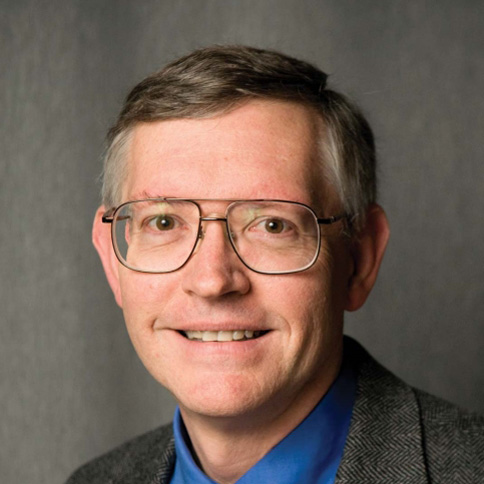
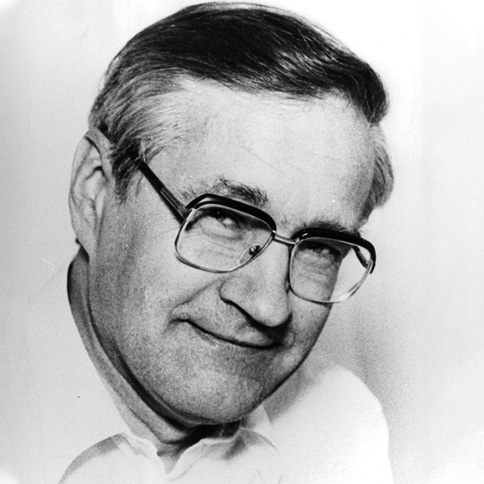
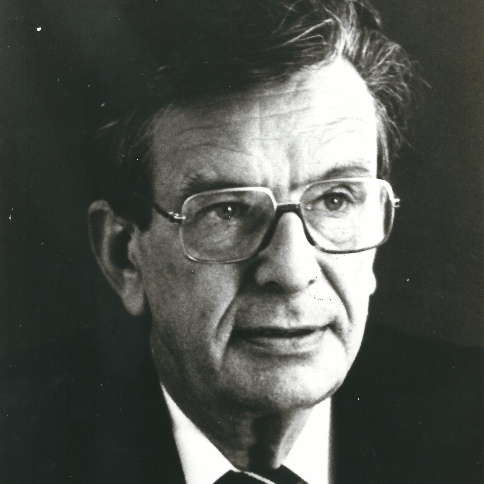
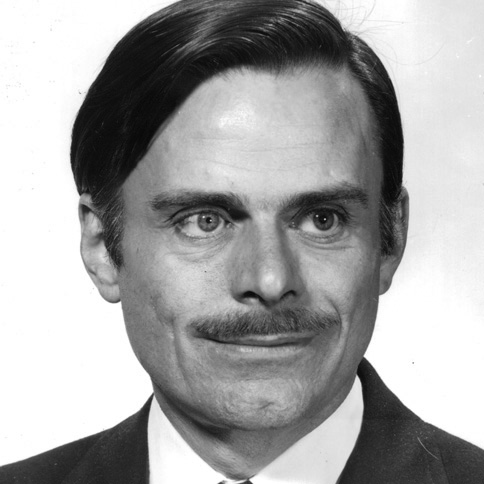
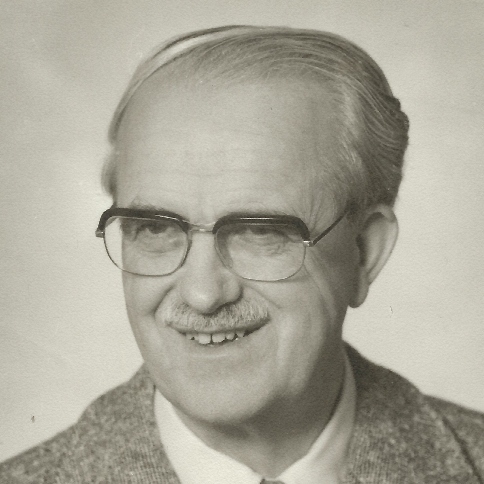
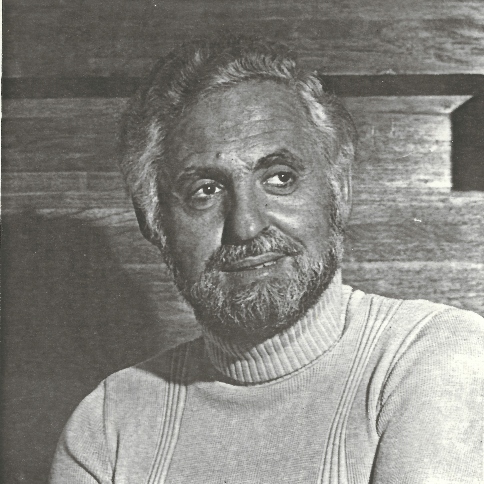
David Klenerman
Wolf Prize Laureate in Chemistry 2026
David Klenerman
Affiliation at the time of the award:
University of Cambridge, England
Award citation:
“For developing impactful, low-cost, large-scale DNA sequencing methods for genomic medicine”.
Prize share:
Pascal Mayer
Shankar Balasubramanian
David Klenerman
Shankar Balasubramanian, David Klenerman, and Pascal Mayer contributed to the development of technology that revolutionized the way we read DNA. Their work helped lay the foundations for next-generation sequencing (NGS), enabling millions of DNA fragments to be sequenced in parallel, dramatically increasing speed while reducing costs.This technology transformed genome sequencing from an expensive and time-consuming research process into an accessible and powerful tool, helping drive the genomics revolution—from the study of disease and cancer to genetic diagnosis and the development of precision medicine.
David Klenerman was born in 1959 and grew up in London in a family where science and education were part of everyday life. His father was a surgeon and professor, and his mother a biological researcher, and Klenerman recalls that his parents instilled in him a deep belief in the empowering value of education. His childhood also included swimming, water polo, rugby, tennis and squash, alongside regular family visits to the theatre. At school, he enjoyed mathematics and physics, but chemistry increasingly captured his imagination. That fascination eventually brought him to Cambridge, where he pursued chemistry and began the scientific journey that would shape his career.
Klenerman is honored for his transformative contributions to physical chemistry and his co-invention of the massively parallel sequencing technology that defines modern genomics. By applying cutting-edge single-molecule fluorescence microscopy to the study of enzymatic processes, Professor Klenerman provided the essential physico-chemical framework required to observe DNA synthesis in real-time. His expertise in single-molecule imaging and DNA polymerase mechanics was instrumental in translating fundamental biochemical observations into a scalable, high-throughput sequencing platform. Through co-founding Solexa, his work has become the technological foundation for over 90% of global sequencing data, driving a million-fold increase in sequencing efficiency and catalyzing the current era of precision medicine and genomic science.