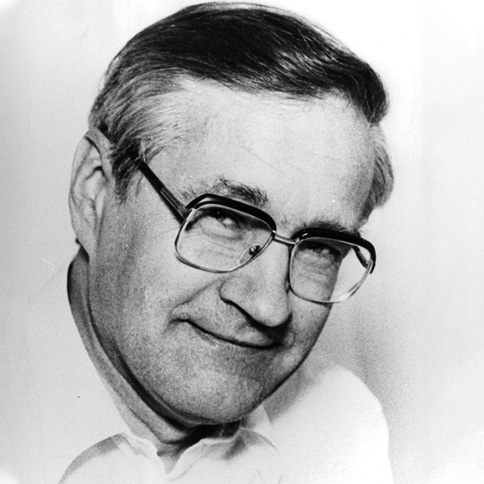
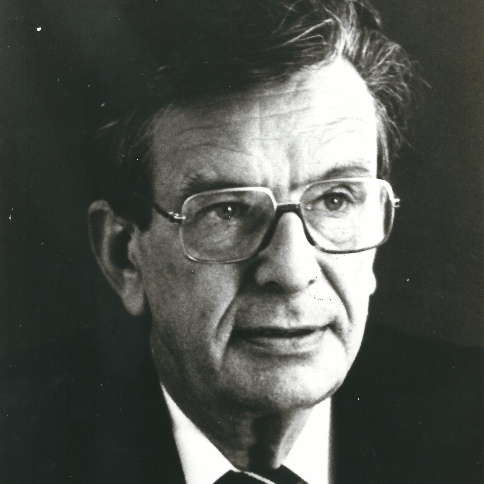
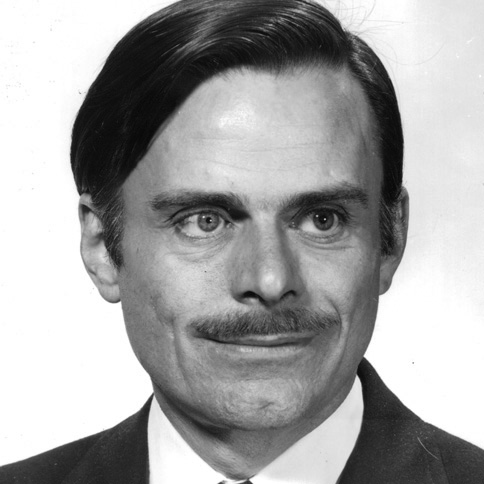
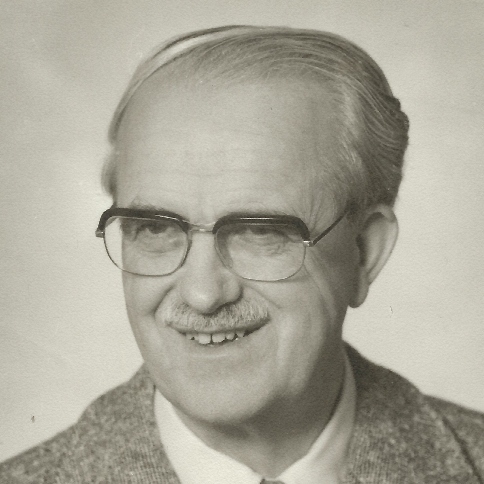
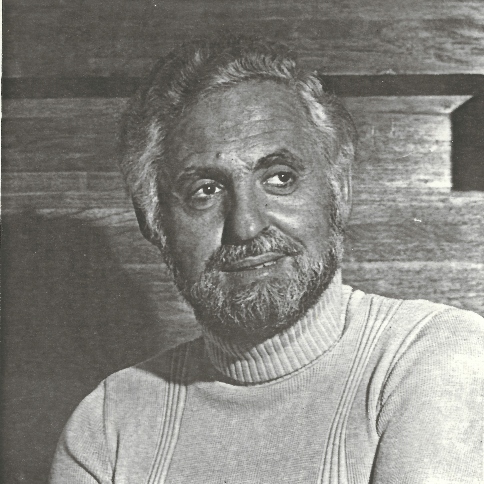
Shankar Balasubramanian
Wolf Prize Laureate in Chemistry 2026
Shankar Balasubramanian
Affiliation at the time of the award:
University of Cambridge, England
Award citation:
“For developing impactful, low-cost, large-scale DNA sequencing methods for genomic medicine”.
Prize share:
Pascal Mayer
Shankar Balasubramanian
David Klenerman
Shankar Balasubramanian, David Klenerman, and Pascal Mayer contributed to the development of technology that revolutionized the way we read DNA. Their work helped lay the foundations for next-generation sequencing (NGS), enabling millions of DNA fragments to be sequenced in parallel, dramatically increasing speed while reducing costs.This technology transformed genome sequencing from an expensive and time-consuming research process into an accessible and powerful tool, helping drive the genomics revolution—from the study of disease and cancer to genetic diagnosis and the development of precision medicine.
Shankar Balasubramanian was born in Madras, now Chennai, India, in 1966, and moved to Britain with his family as a baby. He grew up in rural Cheshire, climbing trees and playing football, dreaming until his late teens of playing professionally for Liverpool. His curiosity emerged early: he recalls an inspiring primary-school headmaster who made learning enjoyable and encouraged him to ask questions, while his parents gave him the freedom to find his own path. Initially drawn to mathematics, he gradually gravitated toward chemistry and entered Cambridge to study Natural Sciences—a path he describes as driven less by a fixed plan than by curiosity and exploration.
Balasubramanian is recognized for his pioneering role in the development of Next-Generation Sequencing (NGS) technology, a chemistry breakthrough that has fundamentally transformed the landscape of biological and medical sciences. Through a landmark collaboration with physical chemist David Klenerman, Professor Balasubramanian moved from fundamental studies of single-molecule DNA synthesis to inventing a massively parallel, solid-phase enzymatic sequencing method. By integrating novel fluorophore-coded nucleotides with sophisticated microfluidics and high-fidelity polymerases, he co-founded Solexa to bring this vision to fruition. His work has achieved a staggering million-fold improvement in sequencing speed and cost, enabling the sequencing of a human genome for under $200. His innovations have catalyzed the explosive growth of genomics and bioinformatics, driving unprecedented progress in modern medicine through chemistry.